Viewed through the lens of contemporary American culture wars, Christopher Nolan’s The Odyssey (R, 2026, Action/Fantasy) deliberately challenges the traditional heroic status of its protagonist. Here is why the Odyssey movie didn’t capture my heart.
Category: Social Justice
Artist’s writing about social justice.
Impact of AI on my art studio business
In November 2025, Elon Musk appeared on The Joe Rogan Experience and predicted that AI would soon generate most of the world’s content. While many of us remain captivated by AI’s impressive capabilities, its real-world effects are already landing hard—especially on creators and artists like me.
The most damaging impact is the large-scale appropriation of artists’ work. AI systems have been trained on vast amounts of copyrighted material, often without permission or compensation, in a country that prides itself on strong copyright protections and the rule of law.
Part-time and project-based art jobs are disappearing quickly. Many artists, myself included, have long relied on part-time freelance work—designing book covers, album art, and illustrations—to support ourselves while developing our craft. Those opportunities are disappearing rapidly. Why hire a human artist when a $30-per-month subscription can produce similar results in seconds?
It’s reminiscent of how photography once displaced traditional portrait painters. Did you know Rembrandt was a portrait-painting machine in Amsterdam, earning a fortune for his genius? Today, hardly any portrait artists command that scale of work or pay.
These costs are no longer abstract either. My own website hosting fees roughly doubled overnight, rising to more than $800 for a three-year term in 2025. The annual cost of my second site, hosted on the Teachable platform, tripled from around $500 to $1,668. I cannot justify passing that increase on to my students, so I am shutting the site down and walking away from years of work invested in the platform. I expect electricity bills to be next; AI’s enormous energy demands will almost certainly push those costs higher for everyone.
According to google Gemini, over the prior six years, major hyperscalers spent a total of $1.292 trillion on capital expenditures, with the vast majority of recent spending funneled directly into AI infrastructure. Now, imagine spending all this money on something useful that many people really need, like affordable medications, education or daycare… Wouldn’t it make a difference? When Congress is fighting to approve one bill or another, there is ‘no money’ for such things, yet there is plenty of capital available for hyperscalers and more…
Should I keep ranting?
Despite these frustrations, I still find genuine pleasure in generating a couple of AI images each day. It serves as a form of creative therapy. As an artist, I am fascinated by how these systems interpret the world and apply artistic principles. Of course, every output remains a reflection of human ingenuity and the data we have collectively created.
I do not accept the idea that AI is on the verge of true consciousness, even though that prospect alarms many people. At its core, AI is a highly sophisticated system trained by countless humans on enormous datasets. Human consciousness—interwoven with free will, ethics, aesthetics, emotion, and love—is far too complex for any algorithm to replicate. No one has solved that problem yet.
The notion that our world might be a simulated game has a certain modern appeal: it does appear to operate according to clear cause-and-effect rules. But that is only part of the picture. What makes us truly unique—and ultimately non-programmable—is the spark of individuality that resists any fully scripted simulation.
A far more immediate concern is AI falling into the wrong hands. We already live in an expanding surveillance state, and this technology is only accelerating that trend. AI is a tool. Its impact depends entirely on the intentions of those who control it. The character of human hearts, for better or worse, will determine the future we create with it.
I still do not know how to resolve the issue of stolen artistic copyright. The fair approach would be to compensate artists with a percentage of revenue, similar to the way musicians are paid for streams and playback. I doubt that system will emerge anytime soon. In the meantime, artists need to learn how to integrate AI into their professional workflows so they do not fall behind and lose their livelihoods. This is no different from earlier generations learning to use computers for formatting, design, or writing.
It’s unclear how to resolve the data center dilemma that suck all the resources out. Should the artist be responsible for it while business owners and directors of these data centers make money at our expense?

Why I Question the “Alternative” Guests on Joe Rogan Podcast Now
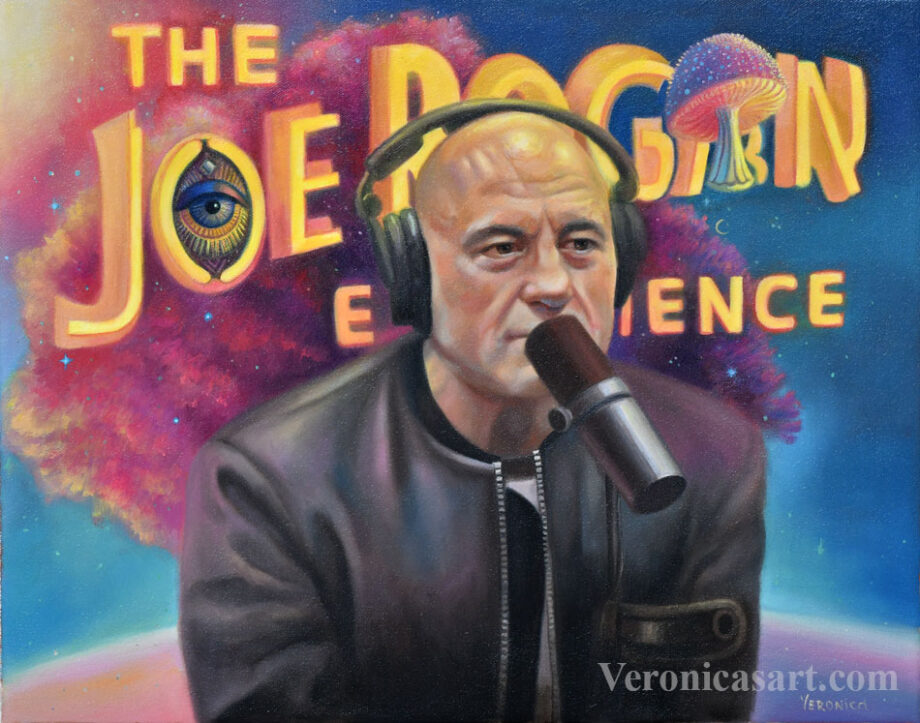
From Standing Against Mainstream Pressure to Hosting Unchallenged Speculation?
During the COVID pandemic, Joe Rogan faced heavy criticism from outlets like CNN and NPR. They mocked him by turning his photo yellow and calling ivermectin a “horse de-wormer.” This seemed designed to discredit anyone who stepped outside the mainstream view. As a longtime NPR listener, I found their coverage so misleading that I stopped tuning in. That familiar feeling of dissonance — when people say one thing while reality suggests another — stayed with me.
“Trust the science” became a slogan that many felt was used in questionable ways. Lockdowns, forced testing, masking, vaccine mandates, online bulling, and canceled surgeries created real hardship for millions. Yet after the pandemic, few of the experts, politicians, or tech leaders who shaped those policies faced serious investigation or consequences. This lack of accountability left many people uneasy.
Joe Rogan stood out at the time for defending personal choice, freedom, and independent thinking. As a regular listener, I appreciated his variety of guests and his apparent desire to explore various ideas openly. But over time, something seems to have changed.
These days, Rogan’s show often features “alternative” archaeologists, researchers, and people who present themselves as victims of the scientific community. They speak with great confidence about ideas that challenge mainstream views. Guests like Terrence Howard, Billy Carson, Jimmy Corsetti, Ben van Kerkwyk, Dan Richards, David Grusch, Christopher Dunn, Filippo Biondi, and so many others bring dramatic stories — some about ancient civilizations, lost technologies, or extraterrestrial precision. To me, many of these episodes feel more like engaging science fiction than careful inquiry.
A common pattern appears: Rogan and his guest begin by criticizing mainstream scientists for alleged problems like gatekeeping, arrogance, or hiding evidence.
Scientists are trashed for (and sometimes rightfully so):
- misinformation
- inflated egos
- gatekeeping
- arrogance
- close-mindedness
- pursuit of status
Then Rogan and his guest spend hours exploring insane new interpretations that they suggest experts have ‘missed’ or ignored. What concerns me is that these claims often seem presented as facts rather than as speculation/opinion. One storyteller after the next tells 10 million followers of Rogan about the super-precision in Egyptian stone vases, underground plant under the pyramids, aliens descending from the darkness. The result is horrific. The show rarely presses hard on the evidence behind them or thoroughly examines the guests’ credentials. Rogan appears to believe and accept many of their stories more readily than he once challenged official narratives. Buddies get free pass intentionally misleading a vast audience.
Humans are imperfect everywhere — in mainstream science, alternative circles, and podcasting alike. Inflated egos, desire for attention, and financial motives can appear on any side. Rogan himself often says he’s “just a comedian” and not to take him too seriously. Yet with leadership and millions of listeners comes responsibility. Rising to the occasion is a doable challenge for an extraordinary person like Joe.
I’m not asking for perfect balance, but for more consistent skepticism. It seems reasonable to check credentials, published work, and supporting evidence with the same rigor applied to mainstream guests. When claims involve super-precise ancient artifacts, hidden structures, or extraordinary reinterpretations of history, shouldn’t those story-tellers face tougher questions?
Many of these guests are articulate and confident. They tell compelling stories, build audiences, sell books, tours, and attract attention. Some appear to promote specific narratives while dismissing well-researched evidence. This approach can leave listeners with dramatic but poorly supported ideas. Multiplied across millions of listeners, it might contribute to widespread confusion rather than clearer understanding.
Some guests with no degrees or credentials of published research whatsoever show off as experts and perpetuate unsubstantiated claims because of their charm and confidence. What those guests actually do talking on podcasts:
- They (often intentionally) conflate different topics, misguiding people. In other words, the absence of evidence is replaced by conflation or (unsupported by facts) opinion.
- They show deliberate ignorance of existing literature/data/evidence/research in favor of fabricated/imagined/speculated data.
- They repeat the same lie over and over again to drain you out of your own judgment, so you begin to repeat their nonsense!
- They look like geniuses or experts while nothing valid is published in the scientific community under their names. (And to publish anything of value requires a lot of work and research). In other words, they pose as professionals without documentation.
- They show no shame presenting speculative stories as the truth or fact.
- They often express a victim syndrome ‘being an outsider.” They often divert a conversation about a specific argument by becoming a victim: instead of replying with valid arguments they say the scientific community hates them.
- Some belong to a cohort of friends pedaling specific narratives and unsupported claims.
- They search for credibility by association with other scientists, doing name-dropping at the right time to prove their point. However, not every scientist is honest just like not every ‘outsider’ is.
- They talk with confidence about sciences and archeology without any substance, knowledge or scientific background.
- They are well-spoken, talented actors with fancy accents or rhetoric.
- They argue that by being there they know things. However, just by visiting the archeological site as a tourist doesn’t make you a researcher, archeologist, or a person who speaks the truth.
- Some try to smear or troll scientists who speak against their stories that should be classified as science fiction, not facts.
- A few pump the art/antiquities market prices with their stories.
- They also promote their books, personalities, speaking gigs, tours and videos via nonsense content.
But most importantly, they magnify ignorance and confusion. Their inability to read available literature translates into massive, perpetuated ignorance online. Multiplied across millions of listeners, it contributes to widespread nonsense that’s often painful to listen to because of this hubris and dishonesty.
Are people acting in bad faith? We want to trust the selected guests as we hope to learn something new. Guests can be mistaken, enthusiastic, or genuinely convinced of their ideas. Although, some have no shame or moral compass to tell the truth. Therefore, distinguishing solid evidence from speculation requires careful work — work that feels completely missing on the show.
To start, let’s check each guest’s credentials, publications, and relevance to the discussion equally (on both sides of the isle). If you’re an aerospace engineer, show credentials. If you’re an alternative archeologist and researcher, show your published research. If you’re a neuroscientist, show your published record, please and so on. Otherwise, your genius is self-proclaimed. All camps have bad apples–alternative or not– they are plugged by the same human factor. It’s easy to lie, pretend, and even scam. It’s much harder to do the work.
So why do archeologists and scientists are not believed by the general public and Rogan himself? It seems to me that while ‘independent researchers’ are not questioned on Rogan’s podcast at all, scientists are not fun to invite because they are ‘closed-minded’ egomaniacs. Some are, but some are not. It comes down to an individual. Because Rogan was criticized by the government during the COVID lockdown, he’s dismissive of the scientific community now, encouraging ‘alternative experts’ who display ignorance, victimhood, and hubris.
When Dibble debated Hancock on Joe Rogan podcast, facts didn’t work. What worked? The intentional smearing of Dibble by Dan Richards afterwards (the DeDunking channel). At first sight it’s unclear why Mr. Rogan chose to believe that guy, who is a content creator, not a legit archeologist, scientist, author, or researcher! (We don’t see such figures on Lex Friedman’s podcast who seems to do better at checking the legitimacy of his guests).
Taking a second look, it makes sense why Dibble was brushed aside. Joe Rogan had strong attachment to Hancock because it’s he and his incredible stories put the podcast on the map many years ago. They have known each other for over a decade. Rogan is loyal (and admirably so) to his friends. Plus, Dibble said about the Hancock’s sited sources that were misinterpreted as racism towards the man. (Hancock implied that the indigenous people couldn’t build large structures, thus those were aliens or people of the supreme and advanced civilization, and Dibble called that part racism towards the indigenous nations, as far as I understand it). The result is insane! In the following shows Rogan gave free pass to himself and his pod buddies (Richards, Corsetti, etc.) to bully Dibble. As a result, what was done to Rogan during the COVID pandemic by the scientific community/government was turned over and acted out on this archeologist. What about the open-mindedness or the ability to change your opinion in light of new facts?
Real scientists and archaeologists often focus on their research rather than content creation. They may not produce flashy videos or dramatic claims, which makes them less visible online. Meanwhile, charismatic storytellers fill the gap generating clicks on YouTube. Deliberate ignorance and conflation of facts antagonizes people against scientific community and diverts resources and attention from real work.
Most importantly, we shouldn’t judge people based on categories, rather look at every individual as such, an individual! Every human is unique with his own set of morals, values, greed, and kindness. It does take a while to separate potatoes from tomatoes but at the end of the day, it’s totally possible. We all make mistakes, lacking knowledge. Science and knowledge is a process. However, each person from either camp has freewill to choose which road to go: to lie or to pursue the truth. Pursuing the later is much harder in our reality.
Joe Rogan has real talent and built something unique. Many listeners, including me in the past, valued his openness. That’s why it feels disappointing to see what looks like a drift into nonsense territory and grifting. As of now, Joe is surrounded by incompetent guests in a thick bubble of his own creation. If the goal is truly seeking the truth, applying the same skepticism to all sides — mainstream and alternative guests— seems essential.
As a listener, I’m left wondering: Has the show evolved into something different? And if so, is it still the place for honest exploration, integrity, creativity, and excitement I once thought it was?
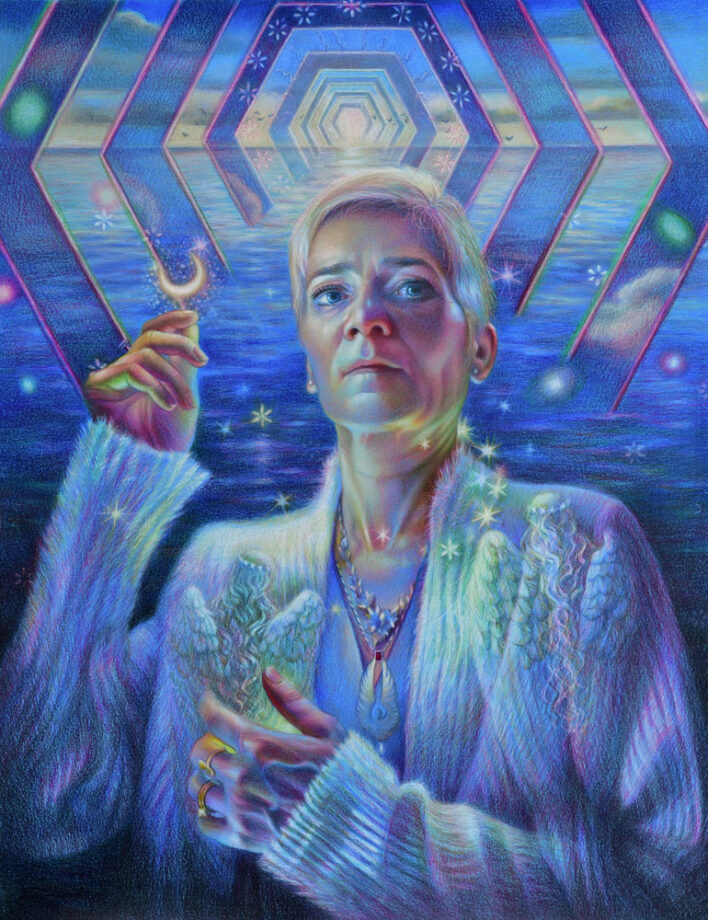
Art books from the artist:
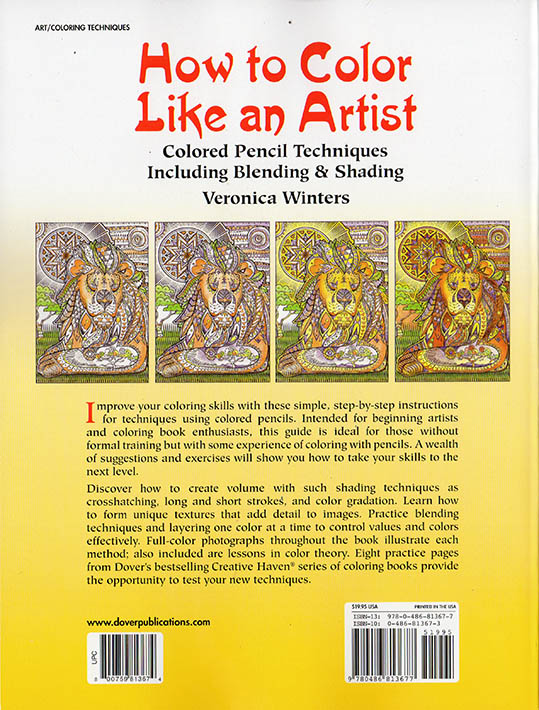
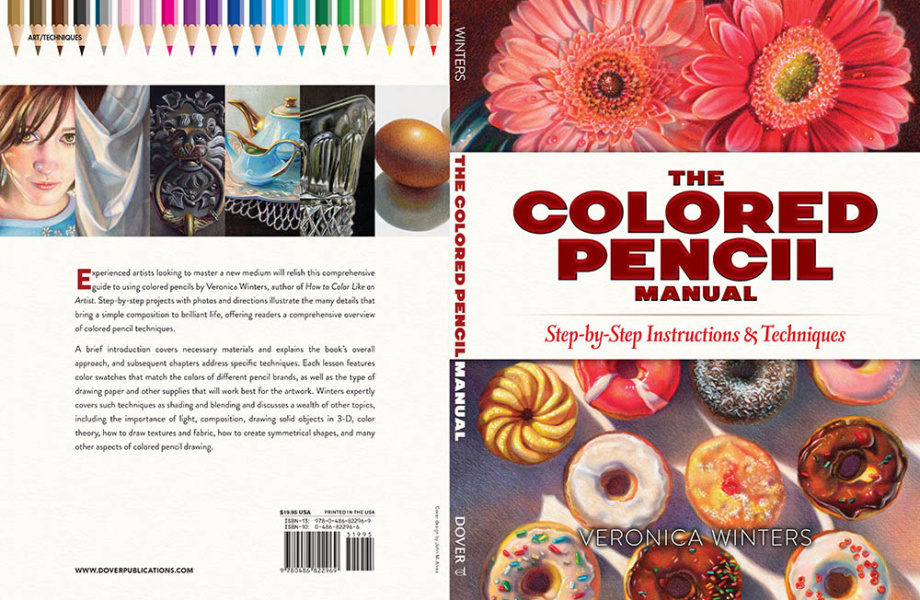

Lidia Poët: The True Story of Italy’s First Female Lawyer in Three Seasons on Netflix
Review: The Law According to Lidia Poët
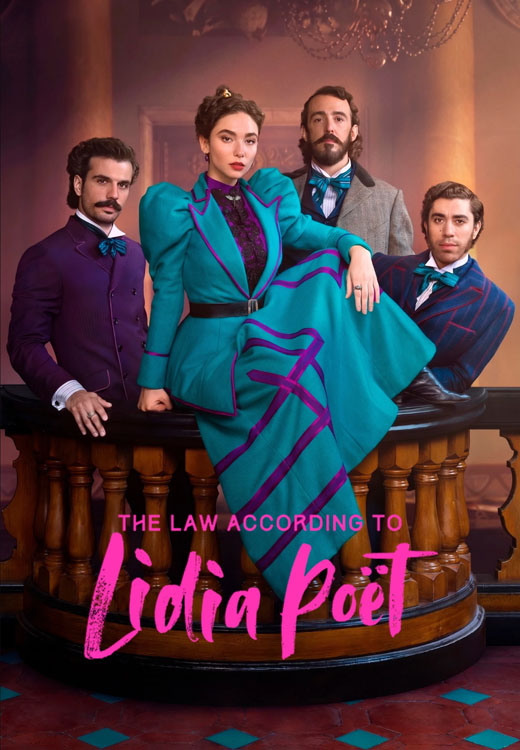
If you are looking for a riveting story and feist for the eyes on “Netflix”, The Law According to Lidia Poët is a must-watch series. This Italian period drama spans three seasons and tells the inspiring true story of Lidia Poët, the first modern female lawyer in Italy. Set in late 19th-century Turin, the show follows her struggle to practice law in a society that legally forbade women from entering the profession. Therefore, she had to work together with her brother, a practicing lawyer in Turin, to investigate cases and save victims from prison.
A Story of Ambition and Style
The series focuses on a young woman who refuses to accept societal norms of that period for an answer. While the show sometimes feels lighthearted or even naive, the lead character is a fantastic role model for women. She represents an inspirational figure with big goals—the kind of character many of us wished we had seen on TV when we were young.
One drawback for families is that the show includes some sex scenes. Although tastefully done, without these, it would be a perfect recommendation for teenage girls looking for career inspiration. However, the core message remains powerful: a woman’s fight to be treated as an equal to men in her chosen field.

Why Netflix’s Lidia Poët is the Ultimate Period Drama for Fashion Lovers
Lidia Poet is a visual masterpiece! Beyond the story, the production value is incredible. The costume design is stunning enough to deserve an Oscar nomination. Every outfit is a work of art, making the show a literal “feast for the eyes.”
The cinematography is equally impressive. Each scene uses beautiful lighting, creative camera angles, and rich colors. It is easy to get “glued to the screen” because the visual world of 1880s Turin is so absorbing.
Italians are the masters of art, and The Law According to Lidia Poët didn’t disappoint me. According to Netflix, the production employed more than 600 cast and crew members, supported by an additional 2,700 extras and daily hires. They filmed the series across 110 locations—primarily in Turin and the Piedmont region. Artisans created 90 unbelievably beautiful costumes and 100 jewelry pieces! I was totally mesmerized by visual flair of costumes in the series.
The stunning costumes I enjoyed in The Law According to Lidia Poët were designed by Stefano Ciammitti.
Ciammitti is a talented Italian costume designer known for his meticulous attention to historical detail. For this series, his work was specifically praised for how it used fashion to tell a story of female empowerment. He balanced historical accuracy with a modern “editorial” look, using expensive fabrics and unusual patterns (like the “kimono” style robes Lidia wears at home) that have made the show a favorite for fashion bloggers. He was supported by Sara Barsotti, the costume supervisor, and a large team that sourced and created the elaborate 19th-century wardrobes. He often incorporated restrictive elements like stiff waistcoats and structured jackets to mirror the legal and social restrictions Lidia faced at that time. You may have noticed Lidia wearing “suit and tie” blouses, which was a deliberate choice by Ciammitti to show her emulating the professional attire of men to be taken seriously in court.

Most of the scenes were shot in Turin, including town’s prison Le Nuove and the Le Nuove Museum. For the third season, the crew moved to Rome. I love Italy for its landscape, art and people. I visited it numerous times, and I have been to Turin in the past. I hope you’ll feel inspired to travel there after watching this fascinating series.
The Cast and Characters:
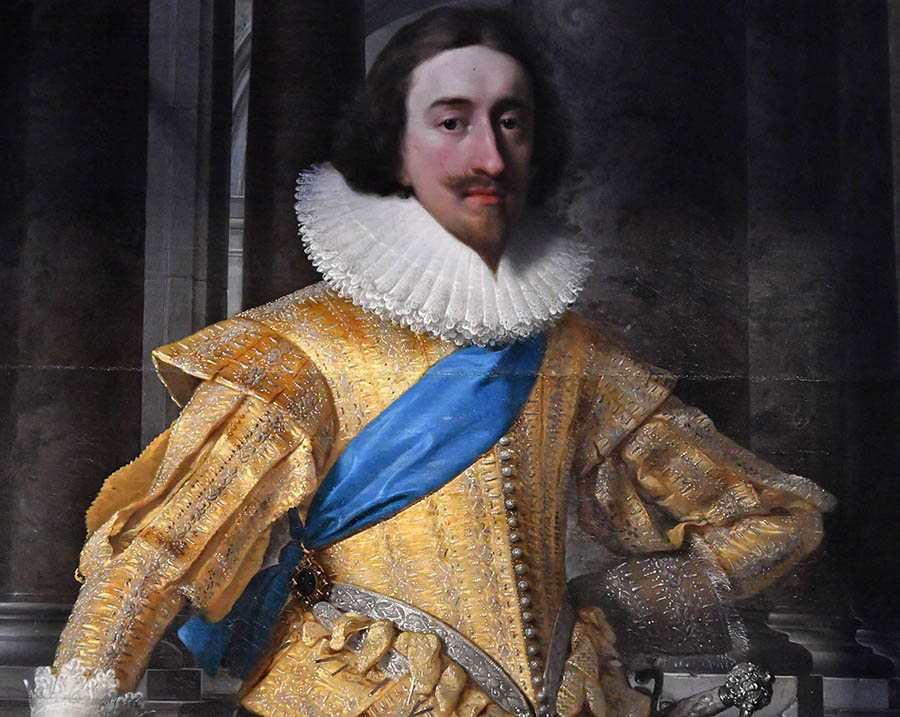
The actors bring this history to life with great skill and charm:
Matilda De Angelis (Lidia Poët): A talented and oh so beautiful Italian actress was born in Bologna. Before this series, she gained international fame starring alongside Nicole Kidman in the HBO hit The Undoing. Besides acting, Matilda is also a singer.
Eduardo Scarpetta (Jacopo Barberis): Also Italian, Scarpetta comes from a famous family of actors and playwrights in Naples. He is well-known for his role in the acclaimed series My Brilliant Friend.
Pier Luigi Pasino (Enrico Poët): Known for his work in Italian theater and television, he plays Lidia’s brother, providing a grounded contrast to her rebellious spirit.
While I wish there were more than three seasons, the existing episodes are perfect for relaxing and finding a bit of inspiration after a long day of work.
What to see in Turin inspired by the series:
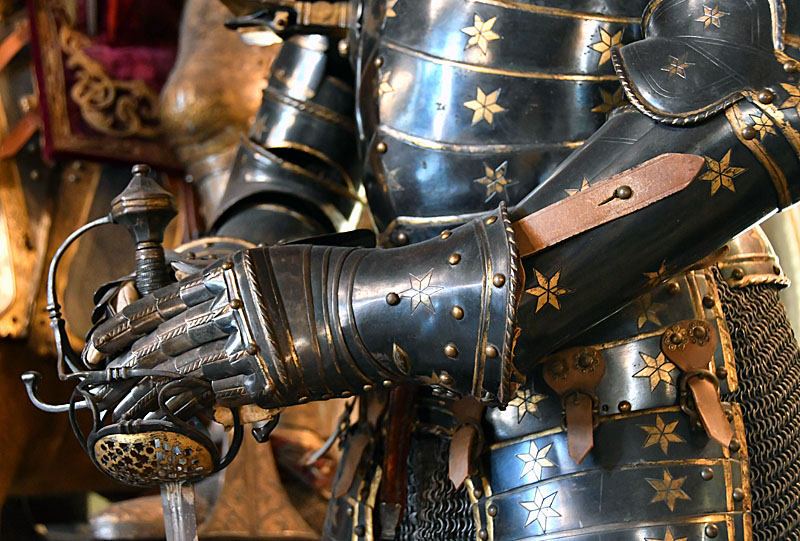
Turin is a city defined by royal Savoy history, grand baroque architecture, and a unique cinematic atmosphere. Whether you are interested in ancient artifacts or the elegant filming locations of period dramas like The Law According to Lidia Poët, here are the top places to visit.
Mole Antonelliana is the undisputed symbol of the city. Originally designed as a synagogue, this 121-meter tall spire now houses the National Museum of Cinema and features a glass elevator with 360-degree views of the city and the Alps.
Palazzo Reale (The Royal Palace): The Royal Palace of Turin showcases the opulent lifestyle of the House of Savoy, complete with royal apartments and a world-class armory.
Egyptian Museum: The Museo Egizio is one of the most important museums in the world for Egyptian antiquities outside of Cairo, housing thousands of artifacts from statues to papyrus scrolls.
Palazzo Madama: Located in the heart of Piazza Castello, Palazzo Madama features a stunning baroque facade wrapped around a medieval castle, now serving as a museum of ancient art.
For those who enjoy the elegant 19th-century aesthetic seen in The Law According to Lidia Poët, a visit to Palazzo Carignano is essential; its unique red-brick facade served as the exterior for the courthouse in the series.
Parco del Valentino: Parco del Valentino is a peaceful riverside park home to the Castello del Valentino and the Borgo Medievale, a charming replica of a 15th-century village.
Basilica of Superga: Perched on a hill overlooking the city, the Basilica of Superga offers one of the best panoramic views of Turin and was also featured in the Netflix series.
Turin is famous for its historic cafes and chocolate. A visit is incomplete without trying the Bicerin—a local drink made of coffee, chocolate, and cream. Visit the legendary Caffé Al Bicerin, where this famous drink originated in 1763, located in the beautiful Piazza della Consolata.
Have fun traveling to Turin, guys!
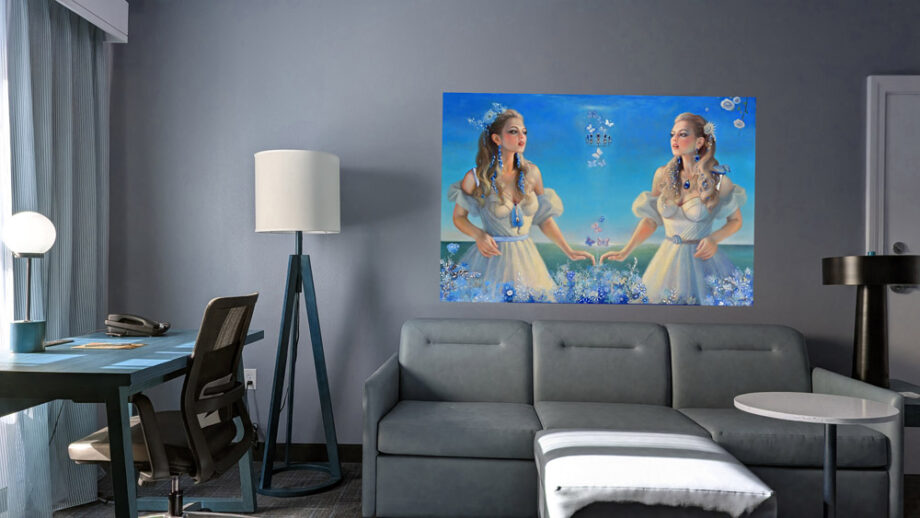
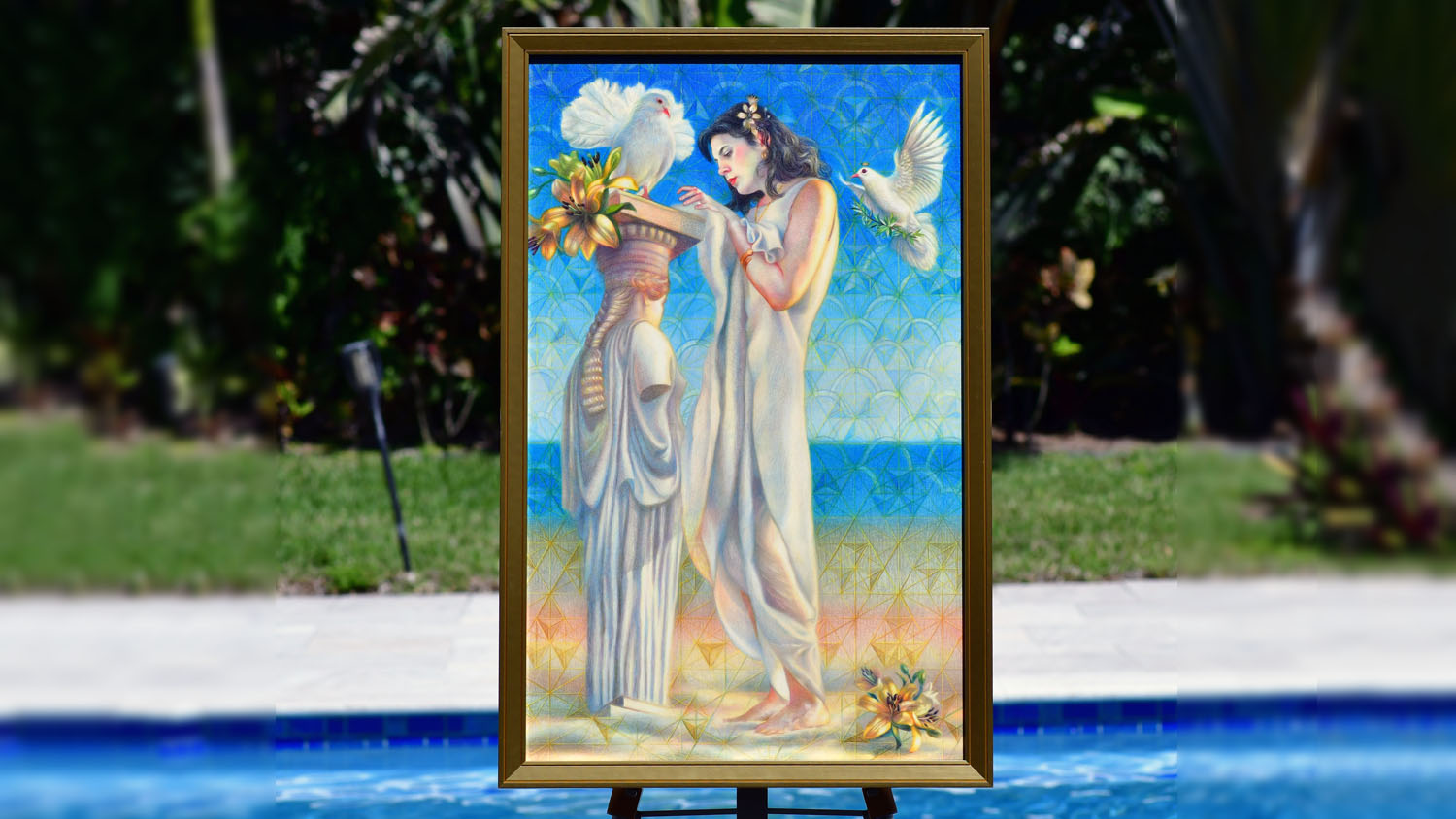
Check out my art by tapping the images below. 🙂
Art books from the artist:
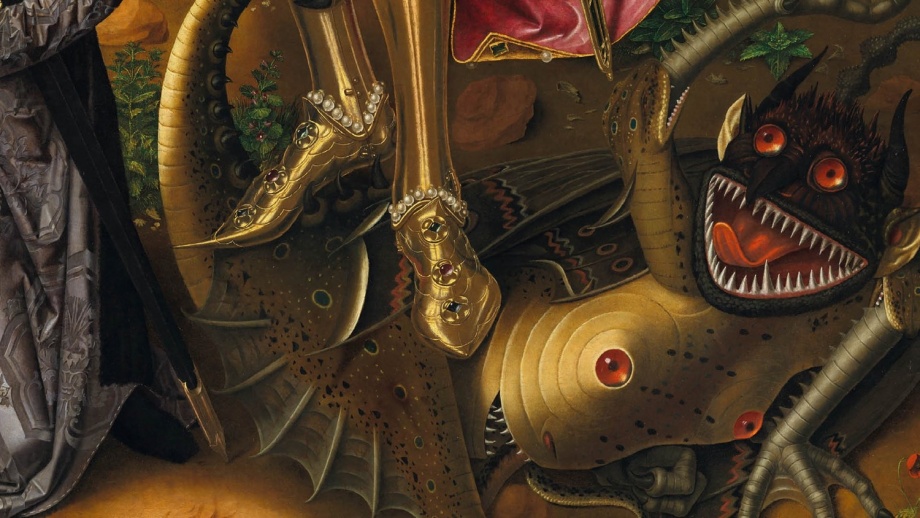
Slaying the Dragon: Why We Choose Lies Over Truth
The High Cost of Goodness in a World of Useless Shit
I have always been drawn to classical art, but lately, one image speaks to me: the angel slaying the dragon. This fight between love and evil is real. I actually feel the meaning of this painting now. It represents a universal truth—we must defeat the darkness within our reality to let the light in. Today, that dragon isn’t just a myth; it lives in our souls, politics, social feeds, and divisions.
The Trap of the “Cult” Personality
We live in an era of “cult figures”—eloquent manipulators who sell easy answers, incredible stories, and punchy headlines. They claim the system or community is rotten while building their own rotten empires.
Why do we fall for it? Because we are wired to believe. We make choices based on emotion, not facts. It takes a second to sign up for a lie that makes us feel good, but it may take a lifetime to uncover a difficult truth. Nonsense prevails.
The psychology of people remains the same across centuries, nationalities, and work. Ancient texts present us with philosophical lessons in quotations when life becomes hard or dire. The same lessons ring true today despite centuries of history.
Making a quick buck via deliberate manipulation of the public is an evil act. However, because it’s so easy to accomplish, cult-like figures are so popular. They manipulate your emotions and conflate different topics to keep you hooked on their riveting storylines. They denounce science, yet throw scientific words to sound authoritative. They overwhelm you with props and arguments too complex to check in real-time, using crocodile tears and staged performances to mask their dragon and make you believe!
Why does it take such a long time to see the glimmering facts? Yet, it takes a minute to sign up for an emotional manipulation? We are creatures that must believe in something or someone. Our beliefs can cross over our rational thinking, but we still make our choices based on emotions, not facts. Cultlike personalities are masterful at twisting our feelings to favor their lies….
Next time you listen to someone talk convincingly, ask yourself what that person gains by telling you stories. Check a few arguments yourself. Do the research.
Every community has a bunch of people with the same faults. When someone preaches that the scientific community is rotten, there’s some truth in that, but another community is rotten too because of the same people in that circle. We are all ego-driven. Whether it’s a politician, a scientist, an artist, or a neighbor, everyone has a “self” to protect. Let’s stop vilifying one group over another. Rather, focus on each issue separately without conflating it with other topics, historical facts, nationality, or religious beliefs.

The High Cost of Doing Good
I’ve realized something incredibly frustrating: it is easy to create stupid and useless shit. It’s easy to lie, steal, and betray. But creating something genuinely good? That takes months of knocking on closed doors, spending money, and endless effort. Lying takes zero work. Most people choose the easy path of manipulation because the search for truth is exhausting, and often, nobody seems to care enough to help uncover it. We are lucky if, after knocking a hundred closed doors, one opens…
The truth remains hidden because no matter how much time someone spends researching the topic, making an insane effort to bring it to light, the focus is on an eloquent cult-like personality, not the facts. The world has always had such figures vilifying those who resisted the cult, and sometimes they were even crucified or burned at the stake for their truth. But at the end of the day, a week, a year, or a century, the truth emerges somehow. It just takes a long time to lift a veil of evil to see past events in a new light.
The Courage to Admit We Were Scammed
Many of us have been victims of scams, big or small. I was raised in a family where “appearance” was everything, so I know how humiliating it is to admit you were fooled. It’s difficult to admit that you were scammed, isn’t it? I have been scammed several times in my life, and those scars are now my armor. I recognize the traps. People are terrified to admit they were wrong because they want to appear “normal” or perfect. Are you scared to admit your friend scammed you? Staying silent only lets the dragon grow. Scammers have shallow emotions and big ambitions. They continue to steal from us, driven by quick profits.
I think people should stop fighting with each other based on religious or political beliefs. Instead, we must unite against evil collectively. This fight can start with small efforts in our daily lives. Sometimes it’s easier said than done, I know, but we can keep trying by making thoughtful choices daily. Not all of us may unite. The unification takes hold of different ideals. Those who do unite are not interested in quick returns, obsessive lust for money, and other easy ways to cheat.
Becoming the rebel in resistance
Romans thought that their fate was predetermined by the Gods, therefore people simply fulfilled their destiny. I believe, each of us has freewill and thus choses in what realm to live. The dark side is always there, but it’s your choice if you want to inhabit that world or not. By making choices, we become who we want to become, not who we are destined to become. We all have the dark side inside us, but it’s our choice to deal with our weaknesses, pain, and frustration to come into the light. One doesn’t exist without the other.
I used to think I had to save the world. I don’t. It’s not my obligation to make people see. It isn’t my job to make you believe me, nor is it my responsibility to defend every political side. If you are waiting for a hero to solve your problems, you will be waiting forever. Become a hero yourself.
If you want to see change, do it yourself, don’t wait for someone else to solve your problems. I can’t solve everyone’s issues. I’m only trying to solve what I can around me. Maybe this is a place where it all starts. Solve your problems to see change around you.
My philosophy is simple now. I am selective about who I let into my life because “non-judgment” didn’t work. I focus on small wins—helping a stranger or saving a kitten.
I’m also skeptical. When someone is incredibly convincing, ask: What do they gain by telling me this? Or why am I so lucky? I try not to repeat my mistakes. I can only express my honest opinion and facts the way I see them via my art and writing. I can only try to paint the divine beauty of heaven. I can only learn to trust myself more, make conscious decisions, and enjoy life as it exists, and life has everything in it.
If I don’t resist the spread of evil, who will? We slay the dragon by making thoughtful choices every day and refusing to let eloquent lies dim our light.
Veronica
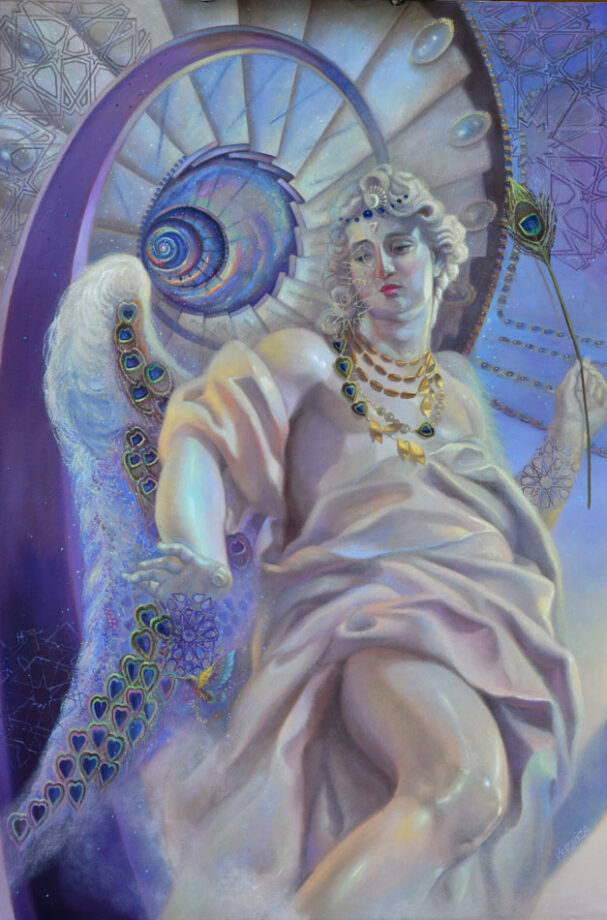
Epstein’s Elite: Untouchable Evil
I struggle to put into words my feelings about Jeffrey Epstein and his people. From the very beginning, it was clear that many of the world’s wealthiest and most powerful individuals were passengers on the so-called “Lolita Express.” The sheer scale of this operation is staggering.
Was there even one person who found it disgusting to be friendly with Epstein? How depraved must these people be to torture, abuse, and rape children? Those unfortunate women don’t need empty apologies now—they need real justice. Justice that got cought up in its long gown, stepped down and missed the boat in 1776.
Even more revolting is the hypocrisy: these same elite figures lecture the rest of us—”the peasants”—about law and order, while they themselves were deeply involved in crimes that evoke the horrors of The Hunger Games, on Epstein’s island. Yet almost none of them face jail time or any kind of punishment. A few may step down or retire quietly, but no real prosecutions seem likely in the US. The law is reserved only for ordinary people. Don’t you agree?
What could be worse? I suspect this entire network—or cult—continues operating today, perhaps under a new figurehead perpetuating the same perversion. Who truly runs our governments?
It’s chilling how those with zero moral compass tend to rise to the top. Super wealthy degenerates think themselves to be aristocrats. This global ‘elite’ is an empty vessel devoid of emotion, love, and care-feelings that make us human. Narcissistic personalities possess many things but the heart.
People must unite against this evil. No matter which party or candidate you support, the leadership often boils down to the same pool of narcissistic egomaniacs. Send them all into space—load the entire group onto a rocket and dump them on Mars. Give them just enough oxygen for a day, then leave them to confront their own immorality together. They may possess vast wealth, power, and global reach, but they are not human.
I consider myself profoundly fortunate never to have endured the unimaginable suffering those young girls experienced on that island.

Fake World
This world feels like an illusion—not because the things we touch, smell, or see are unreal, but because so much fraud and fakery surround us. For me, this pervasive deception renders the world fake.
I struggle to understand why some people find it thrilling to deceive, pretend, and lie when it is entirely possible to earn a living with integrity. Yet who am I to judge them? Each person lives according to his own conscience—or the absence of one.
Amid this constant dissonance and my ongoing struggle against fraud and pretense, the purpose of my life has become clearer than ever before. I am here to bring light from the heavens to counteract evil. My art is a modest glimpse—an earnest, tentative attempt—to capture and convey the ethereal beauty, radiant light, and magical power of the Universe into this earthly reality.
It is painfully clear that making anything truly good endure is extraordinarily difficult. I may never fully comprehend why so many people place such little value on honesty. Perhaps it is not my role to unravel these mysteries. Instead, I can focus on recreating the most beautiful and sincere elements I encounter in people and in nature.
As a projection of the Creator, I am here to re-create everything beautiful and sincere, striving to transform this world into a blooming garden, regardless of the ultimate outcome of my own life.
The Power of Art in Driving Social Change
During times of social and economic upheaval, diverse groups advocate for change in unique ways. Students may protest in the streets, scholars critique systemic flaws through research, and others express their dissent in personal, creative forms. Artists advocating social justice play a vital role in social and political movements. Their painting, murals, music, poems, posters can challenge authority and inspire change, striking fear into the hearts of those in power. Through their unusual creations, several artists have gained global recognition for their art. Let’s explore some social and political activism through art in greater detail.
How Art Catalyzes Social Change
Art may not immediately come to mind when considering social activism, but it serves as a powerful force for transformation. By revealing the underlying causes of societal issues and bringing them into the public’s awareness, art often drives meaningful change, and political activism through art takes central stage during election season.
You can even think about this on a personal level. If you want to discover more about yourself and where you came from, you can take a DNA test or look further into your genealogy. If you have a dog whose behavior you want to understand further, you can do a dog genetic testing to determine its breed composition. Basically whatever you want to find out about the world, you can do through careful research and through the right channels.
Cesar Chavez: Art and Advocacy
Cesar Chavez, a 20th-century Mexican-American artist and activist, was a pivotal figure in the labor movement. His painting symbolized the struggles of the working class, particularly farmworkers.
Chavez’s art, characterized by vibrant murals, depicted the hardships faced by farmers in their daily labor. These large-scale murals promoting social equality, often displayed in public spaces, were accessible widely to raise awareness among common people. Despite his amateur art style, his painting inspired a broader social movement, contributing to the passage of fairer laws for agricultural workers.
Pablo Picasso: Art as a Catalyst for Social Awareness
Pablo Picasso, the renowned Spanish artist, is celebrated for his unusual insights into the human condition. Living through the early 20th century, a period marked by significant social and political turmoil in Spain and beyond, Picasso used his art to highlight pressing societal issues.
His iconic painting Guernica (1937) captured the atrocities of the Spanish Civil War in black and white colors, exposing the devastation caused by fascism. This monumental work, with its chaotic imagery of suffering and destruction, brought global attention to the conflict’s horrors.
Moreover, Picasso’s recurring use of the dove as a symbol of peace, like Dove of Peace (1949), became a universal emblem of hope and reconciliation, resonating worldwide. Through some of his art he made statements, attracted attention, and left a lasting legacy.

Picasso’s “Dove of Peace” is a series of images, most famously a simple, graphic line drawing of a white dove, that became a global symbol of peace after its creation in 1949. Inspired by a real pigeon gifted to him by Henri Matisse, Picasso created the image for the 1949 International Peace Conference in Paris. The image’s impact grew, appearing on posters, prints, and other media for peace movements worldwide and representing hope, purity, and the collective effort needed for peace.
Banksy: Street Art for Social Change
Banksy, the enigmatic British street artist whose identity remains a mystery, is globally celebrated for his provocative and instantly recognizable work. His stenciled murals, often rendered in flat colors of black and red, decorate buildings across the UK and beyond, addressing pressing social issues with street style imagery.
Anti-War Advocacy: Banksy’s art frequently conveys powerful anti-war messages. Murals like Balloon Girl (2002), depicting a girl releasing a heart-shaped balloon, and Rage, the Flower Thrower (2003), showing a rioter throwing a bouquet, symbolize peace and resistance against violence.
Anti-Capitalism Critique: Banksy critiques consumerism and capitalism through striking symbols. In Shop Until You Drop (2011), he portrays a woman falling amidst shopping bags, highlighting the excesses of consumer culture. Similarly, Barcode Shark (2008) uses a barcode to represent the commodification of nature.
Anti-Establishment Sentiment: His work often mocks political authority, as seen in Sweeping It Under the Carpet (2006), where a maid sweeps dirt under a wall, critiquing institutional cover-ups. This rebellious streak may contribute to his choice to remain anonymous.
Banksy’s art has transcended street corners, inspiring global social movements and even influencing merchandise, from prints to clothing. His famous art goes beyond street painting and can be seen on Art Basel in Miami almost every year. This famous artist continues to resonate, sparking dialogue and driving change worldwide.
Ai Weiwei: Contemporary Art as Defiance
Ai Weiwei, a globally celebrated Chinese artist, is renowned for his provocative contemporary art and social issues that challenge authority, often clashing with Chinese officials due to his political messages. His anti-establishment art has led to his exile from China, a consequence of his unyielding critique of governmental oppression.
Born to a dissident poet, Ai Weiwei’s life has been marked by displacement, from his early years in China to his later residences in the United States, Germany, and Portugal. This international journey has amplified his influence, allowing him to inspire audiences worldwide. His art, like Sunflower Seeds (2010), a sprawling installation of millions of handcrafted porcelain seeds symbolizing individuality and mass production, and Dropping a Han Dynasty Urn (1995), a performative act questioning cultural value and authority, have moved people and challenged conversations about freedom and human rights. Today, artist Ai Weiwei speaks about the global refugee crisis in his book titled, Humanity.
Diego Rivera: Art for Social Revolution
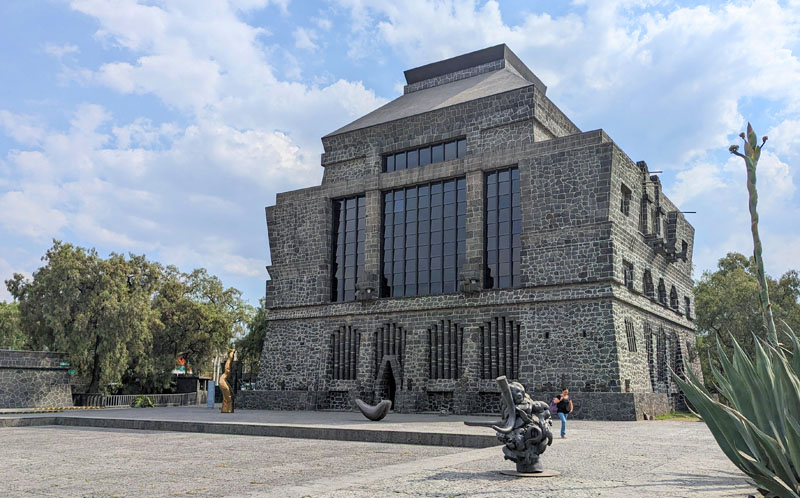
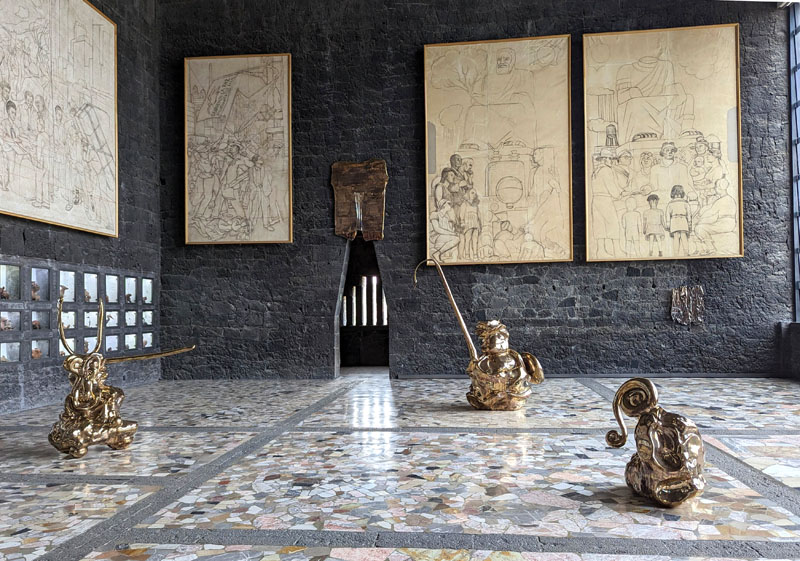
Diego Rivera (1886–1957), a famous Mexican artist and a husband of Frida Kahlo, is celebrated for his monumental murals that championed social justice and celebrated Mexican culture. As a leading figure in the Mexican Muralism movement, Rivera used his art to address issues of class struggle, indigenous identity, and political revolution, leaving a lasting impact on Mexico and the global art world.
Born in Guanajuato, Mexico, Rivera studied art in Europe, where he was influenced by Cubism and Renaissance frescoes. Returning to Mexico in the 1920s, he embraced muralism as a public medium to educate and inspire the masses. His works often decorated government buildings, schools, and public spaces, making his messages accessible to common people.
Key Art:
Man at the Crossroads (1933–1934): Originally commissioned for Rockefeller Center in New York, this mural depicted workers, technology, and social progress but included a portrait of Lenin, sparking controversy and leading to its destruction. A recreated version, Man, Controller of the Universe (1934), in Mexico City’s Palacio de Bellas Artes, critiques capitalism and celebrates collective labor. You can see it today by visiting the center in the heart of Mexico City.
The History of Mexico (1929–1935): Located in the National Palace in Mexico City, this sprawling mural series portrays Mexico’s indigenous heritage, colonial oppression, and revolutionary struggles. It highlights the exploitation of workers and peasants, advocating for social equality and national pride.
Detroit Industry Murals (1932–1933): Created for the Detroit Institute of Arts, these murals glorify industrial workers and critique the dehumanizing effects of industrialization. Rivera’s vivid imagery blends technology with human labor, emphasizing the dignity of the working class.
Rivera’s art was deeply political, often aligning with Marxist ideals and advocating for the rights of workers and indigenous peoples. His bold depictions of social inequality and historical narratives challenged the status quo, earning both admiration and criticism. Despite controversies, including his conflicts with patrons like the Rockefellers, Rivera’s murals inspired social movements and solidified his legacy as a voice for the marginalized. Rivera’s murals still attract lots of attention from tourists visiting the museums in Mexico.
The Transformative Power of Art

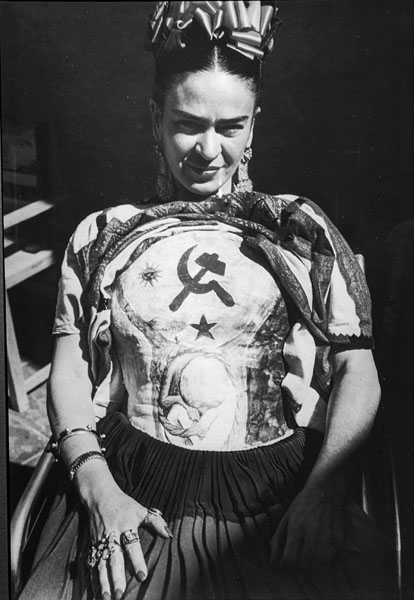
The impact of artists on social change can be profound, with countless creators using their talents to influence societies and the world at large. While artists like Banksy, Ai Weiwei, and Pablo Picasso are widely celebrated for their statements, many others have also driven change through their work. Visionaries like Frida Kahlo, with her introspective paintings such as The Two Fridas (1939), explored identity and cultural struggles, while Shepard Fairey’s Hope (2008) poster became a global symbol of political optimism. Beyond visual art, musicians like Bob Dylan, filmmakers like Ava DuVernay, and even dancers like Alvin Ailey have woven powerful social messages into their craft. When visiting an art gallery or engaging with any creative medium, look beyond the surface—each piece may carry a deeper call for change.
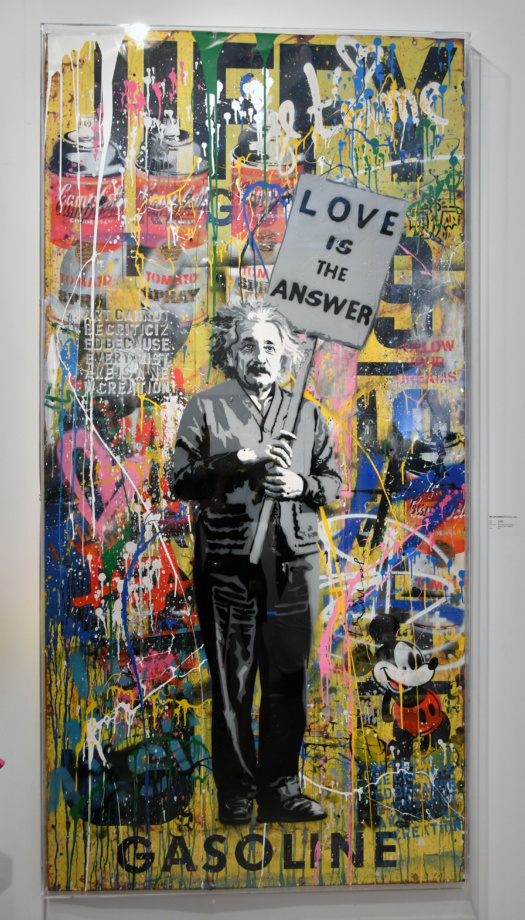
Artists to Explore Further:

- Frida Kahlo: Known for her raw, personal depictions of gender, identity, and Mexican heritage.
- Shepard Fairey: Creator of iconic street art with political resonance, including the Obey series.
- Kara Walker: Uses silhouettes to confront race, history, and power dynamics in works. An American artist renowned for her provocative silhouettes and installations. Her work A Subtlety (2014), a massive sugar-coated sculpture, critiqued the legacy of slavery and exploitation in the sugar trade, talking about racial injustice.
- Yayoi Kusama: Her immersive installations, such as Infinity Mirrored Room (1965–present), challenge perceptions and advocate for mental health awareness.
- Judy Chicago: This American artist created feminist art for social change. She used her installations to challenge gender inequality and advocate for social change. Active since the 1960s, Chicago’s art confronts patriarchal structures and celebrates women’s contributions. Her most famous work, The Dinner Party (1974–1979), a massive triangular table with 39 place settings honoring historical women, redefined art’s role talking about feminism. By addressing issues like gender oppression and women’s erasure from history, Chicago’s multimedia art installations continue to inspire activism and empower movements for equality.
Written by Alice Yang & Veronica Winters
Transforming Trauma into Healing Through Artistic Expression
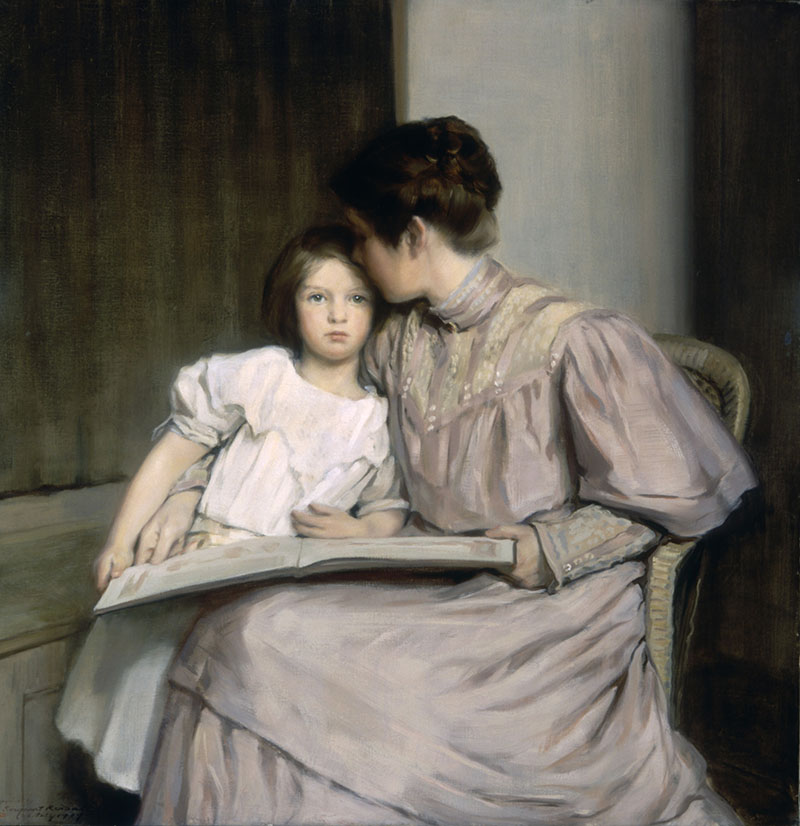
Art therapy emerges as a powerful healing technique that goes beyond traditional medical treatments. More than a simple creative outlet, it represents a profound journey of emotional and physical restoration. Individuals facing challenging life transitions discover unexpected solace through brushstrokes, sculptural forms, and creative expression. The human capacity to transform pain into beauty finds its most eloquent manifestation in artistic healing practices that have existed for centuries.
Art becomes a process of internal reconstruction, allowing individuals to externalize complex emotions, rebuild physical capabilities, and reclaim personal narratives. In this article, let us understand the power of healing through art as a therapy.
The Healing Power of Creative Expression
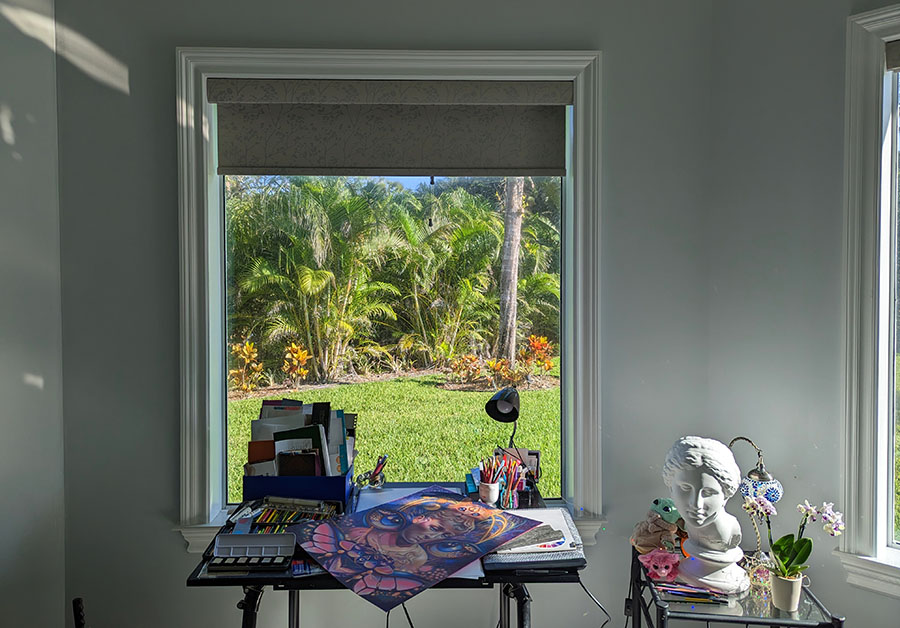
When words fail to capture trauma’s impact, art creates space for emotional processing. Art therapy helps individuals on the path of recovery externalize the feelings that might otherwise remain buried.
Studies from the American Congress of Rehabilitation Medicine show that creating art reduces cortisol levels. Additionally, viewing a beautiful painting can increase blood flow to the part of the brain associated with pleasure by up to 10%. This stress reduction contributes significantly to overall healing and pain management.
The physical act of creating art engages different neural pathways than those typically used in standard rehabilitation exercises. Painting, drawing, and sculpting involve fine motor control that helps rebuild dexterity after injuries. A 2025 study was published by Taylor and Francis on stroke patients who participated in museum-based art therapy. The intervention resulted in a decrease in depression scores going from 6.6 to 4.2.
Art creation offers a sense of control when physical limitations feel overwhelming. Somatopia states that engaging with color, texture, and form through scribbling provides sensory stimulation that can break through post-traumatic numbness.
Transformed Through Tragedy: Artists Who Found Their Voice After Injury
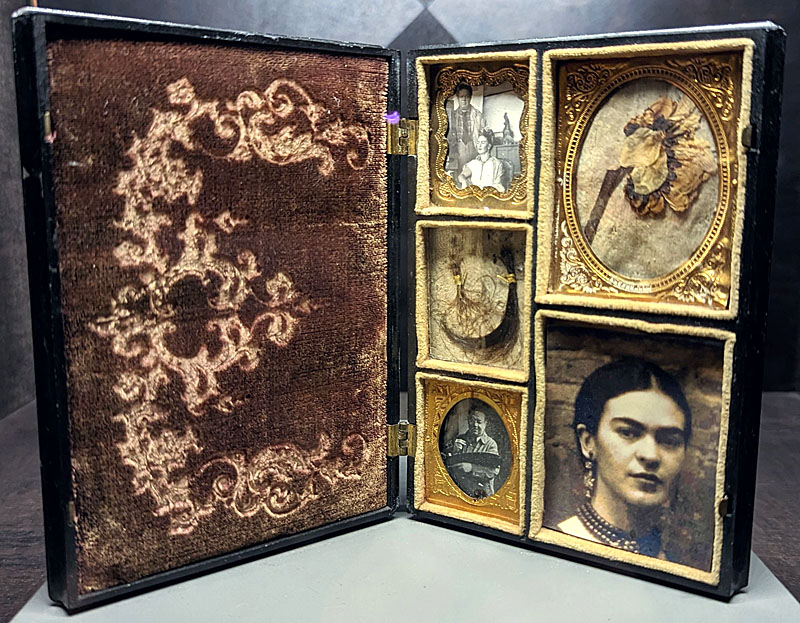
Frida Kahlo’s artistic career blossomed following a devastating bus accident that left her with lifelong pain. Her intimate self-portraits exploring suffering and resilience continue to inspire countless injury survivors.
Kahlo once wrote, “I paint myself because I am often alone and I am the subject I know best.”
Contemporary artist Chuck Close reinvented his approach after becoming partially paralyzed from a spinal artery collapse. Unable to create his photorealistic portraits using previous methods, Close developed a grid technique that accommodated his physical limitations. His adaptation demonstrates how creative problem-solving can overcome seemingly insurmountable obstacles. Many lesser-known artists have similar stories of finding their creative voice while healing.
The Science Behind Art’s Healing Effects
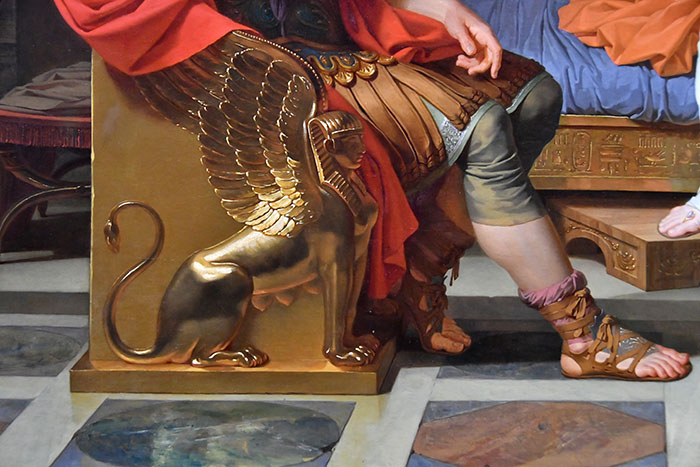
Neurological research confirms what many survivors intuitively discover through artistic practice. Brain imaging studies show increased activity in regions associated with pleasure, focus, and emotional regulation during creative activities.
As per a study by Wiley, 70% of people on the planet are estimated to face at least one traumatic event throughout their lifetime. Furthermore, post-traumatic stress disorder will affect about 1 in 11 persons globally. Interventions based on the visual arts can improve positive non-PTSD symptoms including post-trauma and quality of life.
In contrast to talk-only therapies, art therapy may foster curiosity, playfulness, and creativity. This helps individuals share traumatic experiences and results in a reduction in PTSD-specific symptoms such as avoidance.
As per Kids First, color psychology plays a role in emotional healing during art therapy sessions. There are different techniques of utilizing color in art therapy, they include:
- Color Journaling: Individuals gain insights into emotional states and identify patterns in their moods and feelings over time.
- Color Mapping: Allows individuals to visualize their emotional landscape, promoting greater self-awareness and understanding.
- Color Meditation: Helps individuals focus their minds, reduce stress, and enhance emotional resilience, making it a powerful tool within art therapy.
Legal Considerations During Creative Recovery
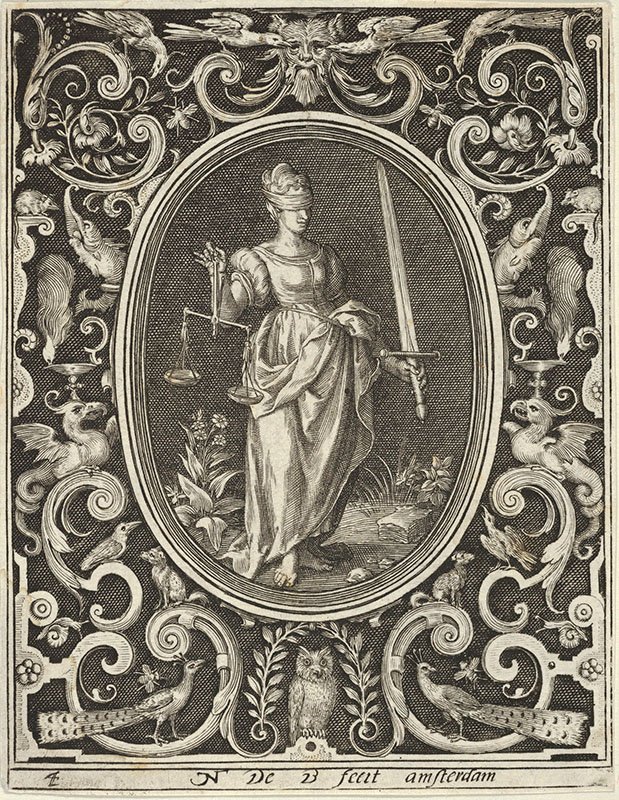
The journey of healing through artistic expression often coincides with navigating complex legal matters. In instances such as personal injury, victims may often find themselves dealing with insurance claims and compensation issues.
In such situations, a personal injury attorney can manage these legal complexities while survivors dedicate their energy to therapeutic pursuits like art. Many who benefit from creative rehabilitation need to document their full recovery journey. This documentation helps establish the comprehensive impact of injuries beyond immediate medical expenses. Art therapy sessions, supplies, and related expenses may factor into recovery costs worth considering in legal contexts.
According to TorHoerman Law, the financial compensation sought by the injured is referred to as “damages.” They are mainly of two kinds: economic and non-economic. They involve lost wages, permanent disability, emotional distress, loss of property, medical bills, pain and suffering, etc.
The holistic approach to healing often requires professional guidance on multiple fronts. Just as art therapists provide specialized support for emotional and physical recovery, legal professionals handle paperwork and negotiations. This division of labor allows those healing to maintain focus on the creative processes that contribute to their well-being. For those incorporating art into their recovery journey, keeping detailed records of how creative practice affects their healing can prove valuable.
These records may demonstrate improvements in motor skills, emotional well-being, and overall quality of life, all factors that comprehensive case evaluations should consider.
Incorporating Art Into Your Recovery Journey
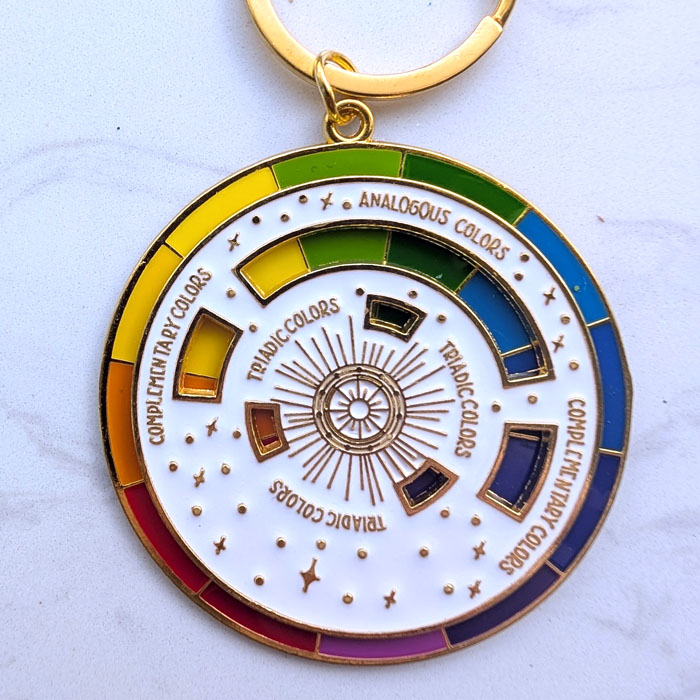
The process matters more than the product when using art therapeutically. Many participants worry about artistic quality, missing the fundamental benefit of expression itself. Recovery-focused art prioritizes emotional release and physical engagement over aesthetic outcomes. There are even methods that do not require any kind of artistic intervention if you are concerned about the outcomes of your artistic quality.
Known as the color visualization meditation, it is one of the simplest yet effective mindful methods. As per New Perspectives, all you have to do is pick two colors; one being the healing and the other being the releasing. Now, close your eyes and imagine the air you breathe in as the healing color, and the air leaving as the release color.
This technique combines mindfulness with creative visualization, requiring no artistic skill yet offering immediate comfort. Through creative expression, individuals discover new pathways to wholeness that complement traditional medical approaches.
Frequently Asked Questions (FAQs)
1. Why is community involvement important in art therapy?
Participating in group art therapy sessions fosters connection and reduces isolation during recovery. Whether through collaborative murals or poetry workshops, creative communities offer support, motivation, and shared experiences that help individuals heal emotionally and socially.
2. How can injury-related stress impact creative recovery?
Coping with physical pain and legal complexities can be overwhelming, making creative outlets essential. Many find that while recovering, seeking guidance from a personal injury attorney helps ease financial and legal stress. This allows them to focus on artistic healing without added burdens.
3. What forms of art therapy are most effective for personal recovery?
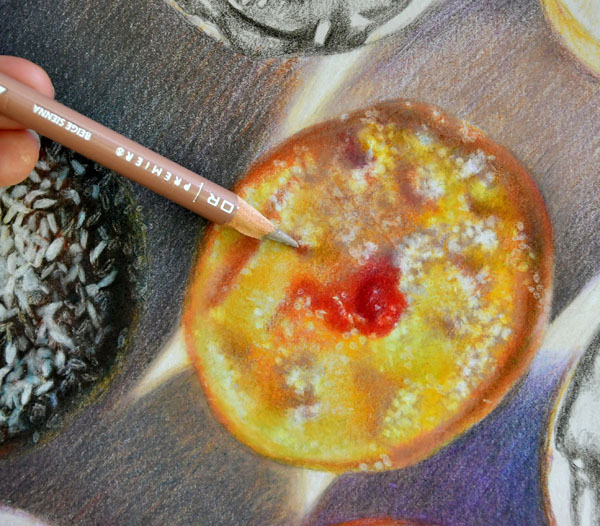
Different creative outlets work for different individuals. Music therapy calms anxiety, painting provides emotional release, and movement-based art like dance enhances physical rehabilitation. Experimenting with various forms helps people discover the best therapeutic approach for their healing journey. Beginning a creative practice during recovery doesn’t require artistic talent or experience. Many rehabilitation centers now offer art therapy programs led by certified professionals. These structured sessions provide guidance tailored to specific injuries and rehabilitation goals.
For those recovering at home, simple supplies like colored pencils and sketchbooks offer accessible starting points. Online communities provide support for beginners exploring art during recovery. Many websites connect injury survivors with resources and virtual workshops designed for various physical abilities.

Do I Have to Report an Accident to My Insurance in Texas?
Accidents can be stressful, and understanding the next steps can be overwhelming if you have been involved in a truck accident in Texas. It is not legally required to report an accident to insurance unless there are injuries or significant damage. Knowing when to inform an insurer can make a crucial difference in how a claim is handled.
Reporting an accident can influence future premiums and coverage options. Individuals may wonder if failing to report could lead to complications down the line, especially if the other party decides to file a claim.
Understanding the nuances of insurance reporting in Texas can help individuals navigate this process effectively. Whether someone has had a minor fender bender or a more serious collision, being informed can lead to better outcomes.
Legal Requirements After an Accident in Texas
After an accident in Texas, specific legal requirements dictate actions drivers must take. Understanding state laws and immediate actions at the scene is crucial for compliance and protection of rights.
State Laws and Reporting Thresholds
Texas law requires drivers to report an accident to law enforcement if it results in injury, death, or property damage exceeding $1,000. This threshold is essential for determining the necessity of filing a report.
If an individual fails to report under these conditions, they may face legal consequences. Drivers should gather information, including names, addresses, and insurance details of all parties involved. Officers may issue a report that can be used for insurance claims.
Immediate Actions at the Scene of the Accident
When involved in an accident, the first priority is safety. Drivers should check for injuries and, if necessary, call emergency services for medical assistance. Moving vehicles to a safe location helps prevent further collisions.
Gather essential information such as the date, time, and location of the incident. Document the scene with photographs if possible. Exchange contact and insurance information with the other party. Lastly, keep a record of any witnesses present, as their statements may be important for future claims.
The Insurance Claim Process
When an accident occurs, it’s essential to understand the insurance claim process in Texas. This involves notifying the insurer promptly, exchanging necessary information, and recognizing the role of claims adjusters in resolving the claim.

Notifying Your Insurer
The first step in the claims process is to notify the insurance company. This should occur as soon as possible after the accident. Most insurers have a specific time frame within which claims must be reported, usually within a few days.
Provide essential details such as:
- Date and time of the accident
- Location of the accident
- Description of the vehicles involved
- Names and contact information of all parties
This delays in notifying the insurer can result in complications or potentially denial of the claim. Therefore, acting quickly is critical.
Information Exchange for Claims
Once the insurer is informed, the next step involves the exchange of information. Both parties will need to provide relevant data to support the claim. This often includes police reports, photographs of the accident scene, and witness statements.
Insurers may also require the following:
- Medical records related to injuries
- Estimates for vehicle repairs
- Documentation of any lost wages or other damages
This thorough exchange ensures that both the insurer and the insured have a complete understanding of the situation, aiding in a more efficient claims process.
The Role of Claims Adjusters
Claims adjusters play a crucial role in the insurance claim process. They are responsible for investigating the claim, assessing damages, and determining the legitimacy of the claim.
Adjusters will:
- Review all submitted evidence
- Interview involved parties
- Inspect damaged property
Their findings will influence the amount offered for the claim settlement. It’s important for claimants to cooperate with adjusters to facilitate a fair assessment and expedite the claim resolution.
Determining Fault and Liability
Establishing fault and liability is crucial after an accident in Texas. This process involves understanding state regulations and reviewing police reports to assess responsibility for damages and injuries.
Texas Fault Rules
Texas follows a modified comparative negligence rule. This means that fault can be shared among parties involved in the accident. If a party is found to be more than 50% at fault, they cannot recover damages.
For example, if Driver A is 40% at fault and Driver B is 60% at fault, Driver A can still recover damages. Their compensation, however, will be reduced by their percentage of fault. The specifics of each case, including evidence and witness statements, will often influence the determination of liability.
Police Reports and Liability Assessment
Police reports significantly contribute to liability assessments following an accident. Officers document the scene, gather statements, and provide an initial evaluation of fault.
In Texas, a police report can help clarify facts and present objective information. It may include diagrams, photos, and assessments of the involved parties’ actions. Insurance companies often use these reports to make coverage decisions. However, the final determination of fault may involve negotiations between the insurance adjusters, drawing on both the police report and other evidence presented by the parties involved.
Impact on Insurance Premiums
Insurance premiums can be significantly affected by accident reports. Texas drivers should understand the implications of reporting an accident to their insurance and how it can influence future costs. Two main factors play a crucial role: accident forgiveness policies and potential rate increases following a claim.
Accident Forgiveness Policies
Many insurance companies offer accident forgiveness policies. These policies allow drivers to make their first accident claim without incurring a premium increase.
Key features include:
- First Accident: The first at-fault accident may not affect the premium.
- Policy Renewal: Benefits often apply only at renewal time, not immediately.
- Eligibility: Policies may have specific eligibility criteria, such as a minimum number of claim-free years.
Drivers should check if their insurer provides such a program. This could save them money in the long run.
Rate Increases Following a Claim
Insurance providers often raise premiums following an at-fault accident claim. The degree of the increase can depend on various factors, including:
- Driver’s History: A history of accidents or claims may lead to higher increases.
- Severity of Accident: More severe accidents might result in steeper rate hikes.
- Type of Coverage: Different levels of coverage can impact how much premiums rise after a claim.
On average, premium increases can range from 20% to 60%. It’s crucial for drivers to review their policy terms to understand potential future costs.
Special Considerations for Truck Accidents
Truck accidents in Texas involve unique regulations and reporting requirements due to the larger size and potential impact of commercial vehicles. Understanding these factors is crucial for anyone involved in such incidents.
Commercial Trucking Regulations
Commercial trucks in Texas are subject to federal and state regulations that govern their operation. The Federal Motor Carrier Safety Administration (FMCSA) sets standards for drivers, vehicles, and transportation practices.
Drivers must maintain valid commercial driver’s licenses (CDLs) and adhere to hours-of-service regulations, which limit driving hours to prevent fatigue. Trucking companies must also hold appropriate insurance coverage to operate legally. Failure to comply with these regulations can lead to significant penalties and impact claims stemming from accidents.
Reporting Commercial Accidents
When a truck accident occurs in Texas, specific reporting protocols must be followed. If the accident results in injuries or property damage exceeding $1,000, it is mandatory to report it to local law enforcement. Additionally, commercial truck drivers must complete a report under FMCSA guidelines, which is separate from state requirements.
Insurance companies typically require copies of all accident reports for claims processing. Involving a commercial vehicle can complicate the claims process, so gathering thorough documentation, including witness statements and photographic evidence, is vital for a successful resolution.
Dealing with Insurance Providers
Navigating interactions with insurance providers after an accident is crucial for obtaining fair coverage. Understanding policy details and effective negotiation strategies can significantly impact the outcome of claims.
Understanding Your Coverage
Insurance policies can be complex. It’s essential for individuals to review their coverage specifics before an accident occurs. Key elements to know include:
- Liability Coverage: This is mandatory in Texas. It covers damages to other parties if the insured is at fault.
- Collision and Comprehensive Coverage: These are optional but helpful for damage to the insured’s vehicle. Collision covers accidents, while comprehensive handles non-collision incidents like theft or weather damage.
- Uninsured/Underinsured Motorist Coverage: This is critical in protecting against drivers without adequate insurance.
They should also note the deductible amounts, as these affect the claim payout. Individuals must ask their insurance companies for clarification on any unclear terms to ensure they grasp their entitlements.
Negotiating with Insurers
Effective negotiation with insurance providers can lead to better settlement outcomes. Here are strategies to consider:
- Gather Documentation: Collect all relevant information, including police reports, medical records, and repair estimates. This data strengthens the case.
- Know the Value of the Claim: Research the average costs associated with similar accidents. This knowledge empowers the insured during discussions.
- Stay Professional: Maintain a calm demeanor. Clear communication can facilitate understanding and foster cooperation.
- Be Prepared to Counteroffer: Initial offers from insurers may be lower than expected. It is crucial for individuals to present a well-reasoned counteroffer supported by their documentation.
Using these strategies, individuals can navigate the claims process more effectively and work towards achieving appropriate compensation.
Legal Representation and Claims Disputes
Navigating claims disputes after an accident can be complex. Legal representation may be necessary to handle denials and ensure fair treatment.
Hiring an Accident Attorney
Engaging an accident attorney can significantly impact the outcome of a claim. These professionals are well-versed in Texas laws and can provide tailored guidance throughout the process.
An attorney can assess the details of the case, ensuring all necessary documentation is prepared accurately. They can also negotiate with insurance adjusters on the claimant’s behalf.
It is vital to choose an attorney with a strong track record in handling accident claims. Many attorneys offer free consultations, allowing potential clients to explore their options without a financial commitment.
Disputing Claim Denials
Claim denials often stem from insufficient evidence or incomplete documentation. Understanding the reasons behind a denial is crucial for disputing it effectively.
Victims should carefully review the denial letter, noting specific reasons for rejection. Gathering additional evidence, such as police reports, medical records, or witness statements, strengthens the case.
An accident attorney can assist in drafting a formal appeal. They can help ensure that all required information is included and submitted promptly, adhering to any deadlines set by the insurance company.
Documentation and Record-Keeping

Accurate documentation and meticulous record-keeping are crucial following an accident. They serve as the foundation for any claims process and can significantly impact the outcome.
Keeping Accurate Records
Maintaining precise records after an accident includes gathering all critical information. Individuals should document the date, time, and location of the incident. It’s essential to note the vehicles and people involved, alongside any witness details.
Key documents to keep:
- Police reports
- Medical records
- Repair estimates
- Correspondence with insurance companies
This information should be organized systematically. A clear timeline of events helps in establishing a factual account. Additionally, retaining receipts related to medical or repair costs is vital for any potential claim.
Importance of Evidence
Collecting and preserving evidence is fundamental in supporting a claim. Photographic documentation of damage, scene conditions, and any visible injuries provides tangible proof of the accident’s impact.
Types of evidence to gather:
- Photos of vehicles and the accident scene
- Dashcam footage, if available
- Statements from witnesses
This evidence can be beneficial during negotiations with insurance providers or in court. Proper evidence collection reinforces claims and may expedite the insurance process, ensuring fair compensation for any losses sustained.
Understanding No-Fault Versus At-Fault
Texas operates under an at-fault insurance system, while various other states utilize no-fault insurance. This distinction affects how claims are handled after an accident. It’s crucial for drivers to grasp these differences for better decision-making and to understand potential liabilities after an accident.
No-Fault Insurance Explained
No-fault insurance allows drivers to receive compensation for their injuries regardless of who caused the accident. Each party involved in the accident files a claim with their own insurance provider. This system often leads to quicker claims processing and less litigation.
Key aspects of no-fault insurance include:
- Personal Injury Protection (PIP): Covers medical expenses and lost wages.
- Limited lawsuits: Generally restricts the ability to sue others unless serious injuries are involved.
This approach emphasizes efficiency and ensures that individuals have access to immediate medical care without lengthy legal battles.
Texas At-Fault System
In Texas, the at-fault system means that the driver responsible for the accident is liable for damages. This includes vehicle repairs, medical expenses, and more. Understanding liability is essential in navigating insurance claims.
Here are notable points regarding the at-fault system:
- Liability Determination: Insurers investigate to establish fault.
- Claim Filing: Victims must initiate claims against the at-fault driver’s insurance for recovery.
- Potential for Lawsuits: If damages exceed insurance limits, victims may pursue lawsuits.
This framework creates a direct correlation between fault and financial responsibility, where the party responsible for the accident bears the brunt of the financial consequences.
When to Report an Accident to the DMV
In Texas, certain conditions require drivers to report an accident to the Department of Motor Vehicles (DMV). Understanding these requirements can help ensure compliance and avoid any penalties.
DMV Reporting Requirements
Texas law mandates that drivers report an accident to the DMV if there are any injuries, fatalities, or property damage exceeding $1,000. This applies to both public and private property. The report must be filed within 10 days of the accident.
Failing to report under these conditions can lead to license suspension. To file, drivers must complete the appropriate accident report form and submit it either in person or by mail to the DMV. Collecting evidence and details at the scene, such as photographs and witness information, aids in accurate reporting.
Conclusion
Reporting an accident to an insurance company in Texas is a crucial step for drivers involved in a crash. Understanding the responsibilities and appropriate actions can help mitigate potential complications.
Summary of Key Points
In Texas, car accidents often require reporting to the insurance company, particularly when injuries occur or significant damage happens. An accident report is essential for processing claims and ensuring coverage under the policy. Failing to report an accident can lead to complications, including coverage denial.
Drivers should be aware of their insurance policy requirements, as some companies stipulate reporting timelines. Being timely and accurate in reporting enhances the likelihood of a smooth claims process. Always document the accident details, including photographs and witness accounts, which can be beneficial when filing a claim.
Next Steps After Reporting
After reporting an accident, it is important to stay organized and informed. Review the insurance policy to understand what coverage applies. Maintain communication with the insurance adjuster throughout the claims process.
Gather all necessary documentation, including medical records and repair estimates. This information will aid in ensuring a fair evaluation of the claim. It is also advisable to follow up periodically to check on the progress of the claim. Keeping detailed records will support the case and promote clarity in communications with the insurance provider.
Leadership & new order
A new leader & his order often destroyed the cultural and scientific heritage of any given society. During the repressions of the 1930s in Russia, the new government executed top scientists, artists, and writers. In China, Mao’s Cultural Revolution wiped out the intellect of country. Many centuries ago, the book of songs (which is attributed to Confucius today) was burned along with other ancient texts and people who opposed the new order. What remained was memory and some memorized poems and texts. The medieval ages & religious wars in Europe saw an unprecedented destruction of science & culture, reverting humanity by hundreds of years, leaving it in a thorough stagnation. It’s common to see state confiscation, scientific and cultural reversal, and overall decline instead of the birth of a thriving, new society after such events.
While new replaces the old where creation is impossible without destruction in a natural cycle of life, it seems that psychopathic leaders alter this cycle where they can. They rule with endless propaganda and control. Controlling people’s thoughts, ideas, beliefs, religion, and culture seems paramount to a leader’s success. Only psychopathic rulers can govern and hold on to this position for a long time. Otherwise, the ruler is assassinated, executed, or imprisoned.
We try to pick a president based on our morals, beliefs, and ethics, searching for a leader with a “heart.” Unfortunately, we won’t find one because he or she doesn’t exist. Each person takes a specific job in society based on their personality and inner life. Top politicians have qualities that other people don’t possess, and vice versa. Those people are low on empathy and emotion. Therefore, the decisions they make are easy for them to make.
Obama can’t control TikTok. Hillary couldn’t tank Trump with her lies about Russian collusion. Trump suddenly worries about the morality of abortion, overturning the law. Putin uses religion and TV propaganda to justify his choices and outcomes. Democrats have captured the media with their agenda. The Republicans want to die in the Senate when they reach 100 years of age. As a democratic society, we end up with top politicians who serve the privileged few who rule and kill behind the curtain. And we-the people-become entangled in this web of rules, regulations, lies, prosecution, control, disbelief, and hurt. Strong voices get jailed. Others accept bribes. We pay taxes to bomb the world. We hope for a better outcome, only to lose it after another election cycle.
Just like the problem, the solution is never simple or clear. Every new idea or the structure of a society, like communism, democracy, autocracy, and even utopian communes, has beautiful thoughts that get corrupted by the human element. So it seems that a renewed system must consider human weaknesses and the inability to change to function differently and sustainably. Is it possible at all? We can only know this after some social experimentation. But who wants to do just that?
Because progress is exponential, we can evolve and advance more rapidly with each decade. Perhaps, new ideas will sparkle and ignite a strong wave in evolution of humanity that’s more encompassing of the past, human element & the seed of life.
The Canvas of the Soul: How Art Improves Your Emotional Well-being
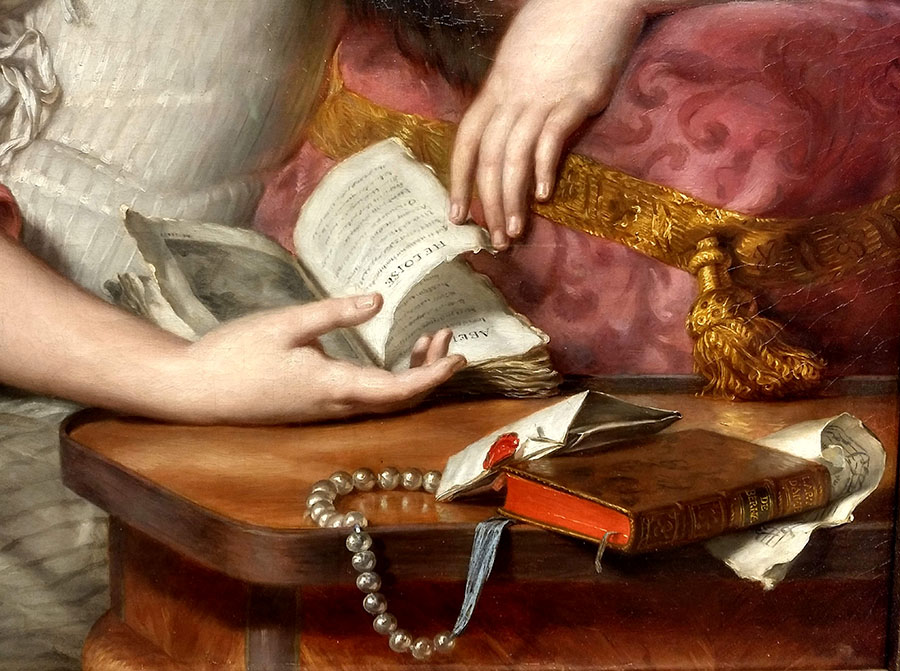
Imagine this. We can feel confident and inspired by looking at bold brushstrokes of Sargent. Or, perhaps, we can find solace in Vermeer’s quiet portraits. Maybe, the gaze of Frida’s self-portraits can reflect our own inner strength. Visual art, in its myriad of forms and styles, is a keepsake of our emotions. Art is open to everyone, regardless of age, culture, country or education level thanks to art museums, books and the Internet.
The Science of Art & Emotion
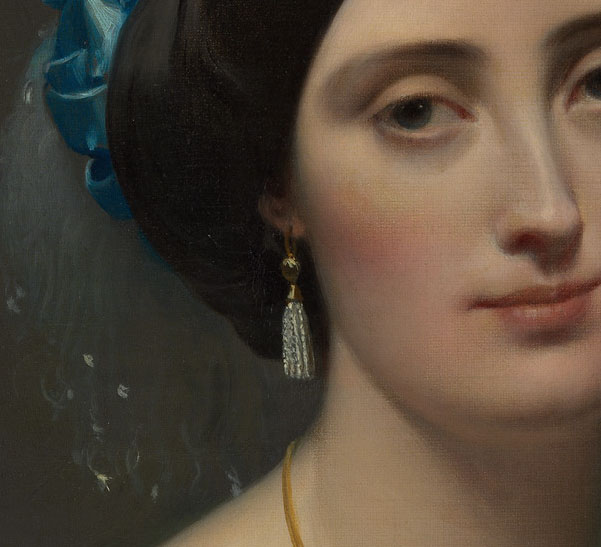
When we go to an art museum to marvel at the technical skills of artists, research reveals a deeper magic at play. Studies have shown that engaging with visual art can trigger a cascade of positive effects on our emotional and mental well-being:
1.Reduced stress and anxiety: A 2019 study published in the Journal of the American Medical Association found that museum visits lowered cortisol levels, the stress hormone, in participants. Promoting relaxation, art can be a useful technique to lower your anxiety level without taking the prescription.
2. Enhanced mood and happiness: A 2015 study by the University of Westminster revealed that looking at art increased feelings of pleasure and excitement in participants.
3. Improved empathy and social connection: A 2020 study in PLOS One found that viewing art together fostered greater empathy and prosocial behavior among participants.
The Secret Weapon is Art Education
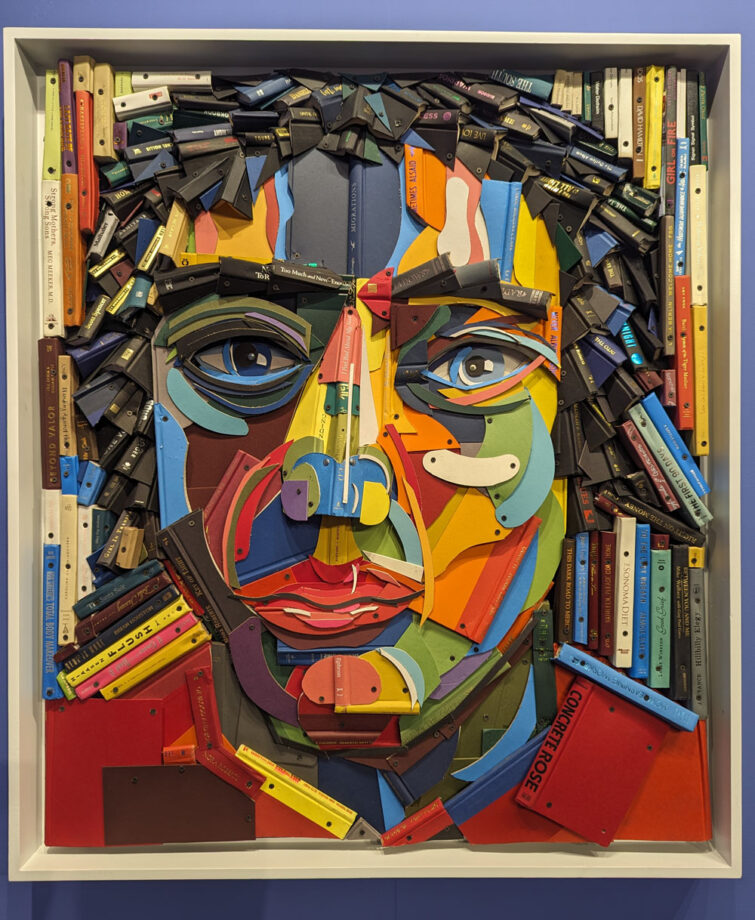
The impact of visual art isn’t just for art nerds; it’s an effective tool for nurturing well-being from a young age. Art education is often ignored in public schools giving more value to sciences or sports. However, we have many parts to us and we grow emotionally by incorporating many subjects and social cues into our life. Art isn’t about making pretty pictures; rather it’s about:
Building self-esteem and confidence: As children express themselves through art, they discover their unique creative voices, boosting their self-confidence and sense of accomplishment.
Enhancing cognitive skills: Studies show that art education improves critical thinking, problem-solving, and spatial reasoning skills, giving young minds a well-rounded workout.
Fostering emotional intelligence: Through art, children learn to identify and express their emotions, developing a healthy vocabulary for their inner world. I think this is the most overlooked, yet most powerful application of art in our daily experiences.
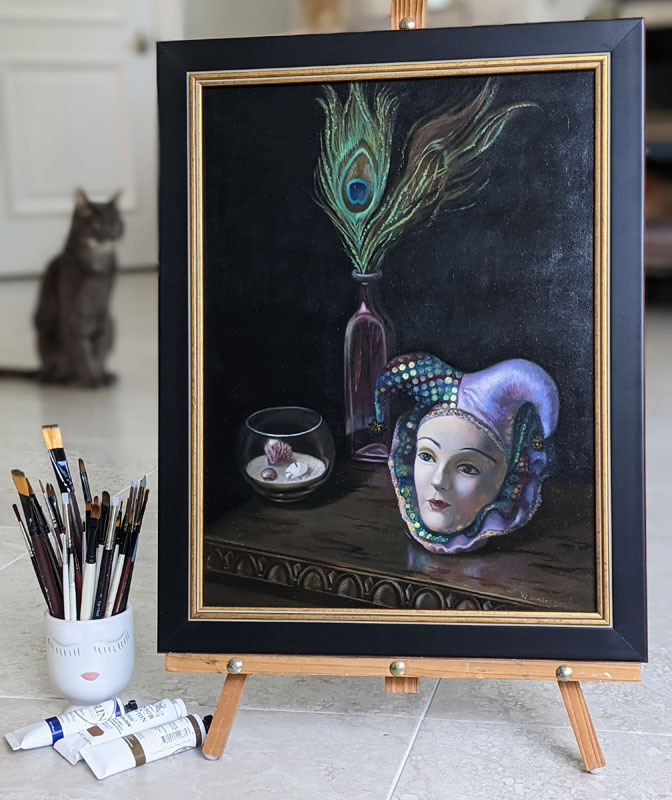
Creative thinking is not limited to arts. It often influences our business and social decisions.. Creativity is essential in problem solving, science exploration and personal life growth. Some super creative personalities like Steve Jobs and Elon Musk have revolutionized our understanding of and interaction with technology. Creative thinking is about generation of unique ideas and solutions. It’s a skill that takes time to develop while we study arts and sciences in school. Sometimes students do need help with homework and assignments. There are many companies that offer quality service helping students succeed in learning. At homework help websites experienced writers help students understand difficult course topics, reducing stress and overwhelm. Students are able to complete homework on time and hone their creative skills. They show improved performance in grades and timely submission of assignments.
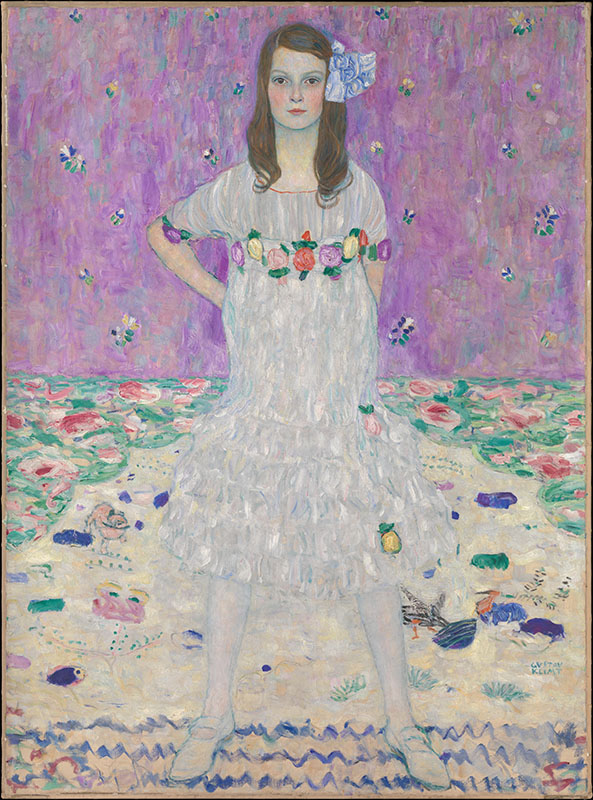
Gustav Klimt despised government control and censorship in the arts, and as a result, revolutionized the art scene in Europe with his sensual, stylized art in early 20th century. He has influenced many modern and contemporary artists as well as art styles, including Art Nouveau, Bauhaus, and Russian Constructivists. According to the Met, The girl’s parents were banker-industrialist Otto Primavesi and his wife Eugenia, who were supporters of progressive Viennese art and design. This painting was seized by the Nazis from Jenny Pulitzer Steiner in 1938 in Vienna and restituted to her in 1951. http://www.metmuseum.org/art/collection/search/436819
Tips to Tap into Art’s Therapeutic Power in You
Every person has the artistic side inside him. It may be dormant or not fully explored. As we nurture this part of our personality, we discover new ways of looking at the world. We become more creative in our jobs. We feel emotional connection to people. We engage with others with empathy. We see beauty in ordinary places. We become more connected to the source of our divine nature.
So if you’re in the mood to discover and process your emotions via visual art, here are some tips to get you started.
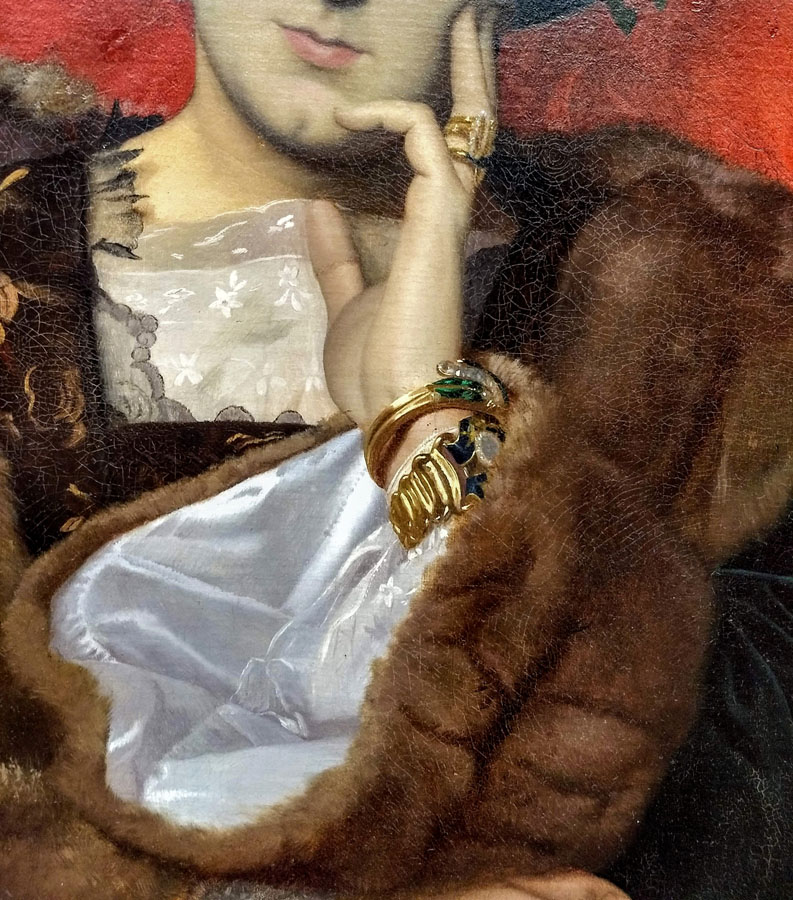
1. Visit an art museum or art gallery:
When you travel to another state or city, place the largest art museum and a few art galleries on your list. Not everything is going to look as art to you or become your favorite, but you learn to explore art beyond your comfort zone; you also understand what you really like or dislike. Sometimes, I go out and get disappointed in the shown objects promoted as ‘art’, but there are moments when I find paintings or sculpture that inspire me to create art or try new art materials or just look at the subject differently. I often study paintings by looking at unusual composition, color use or texture created in paint. Such visits cultivate my taste and appreciation of art.
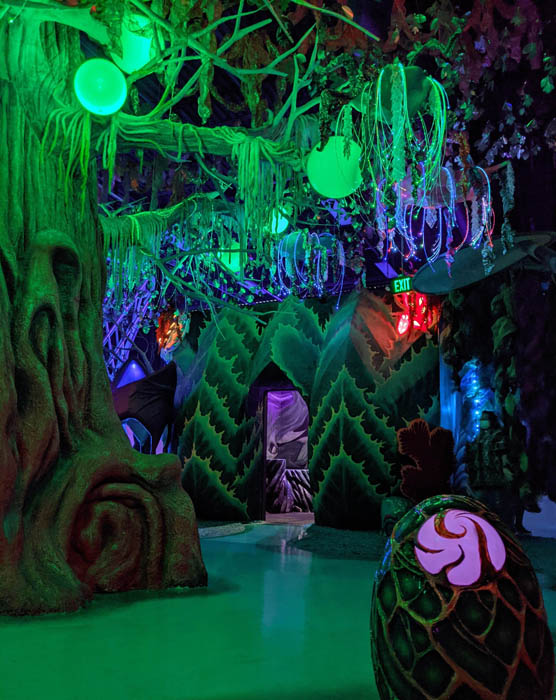
Digital art and technology: I find this new realm of technology exciting. I’m not talking about the NFT scams or bitcoin-get-rich schemes. I think that the interactive, digital art installations are becoming more creative and exciting in comparison to contemporary painting. Some interactive installations can help you explore yourself and grow your understanding of reality by going to these virtual reality rooms. I like how some artists combine nature and technology to create moving exhibitions. My favorite artists in this field are: Studio Drift, Studio Olafur Eliasson, Kusama’ Infinity Rooms. You can also explore new interactive spaces like Other World, a 32,000-square-foot immersive art installation in Columbus and Philadelphia. It’s an interactive, multilevel playground filled with large-scale art, mixed reality playgrounds, and secret passageways. It’s a surreal mix art, technology and interactive experience.
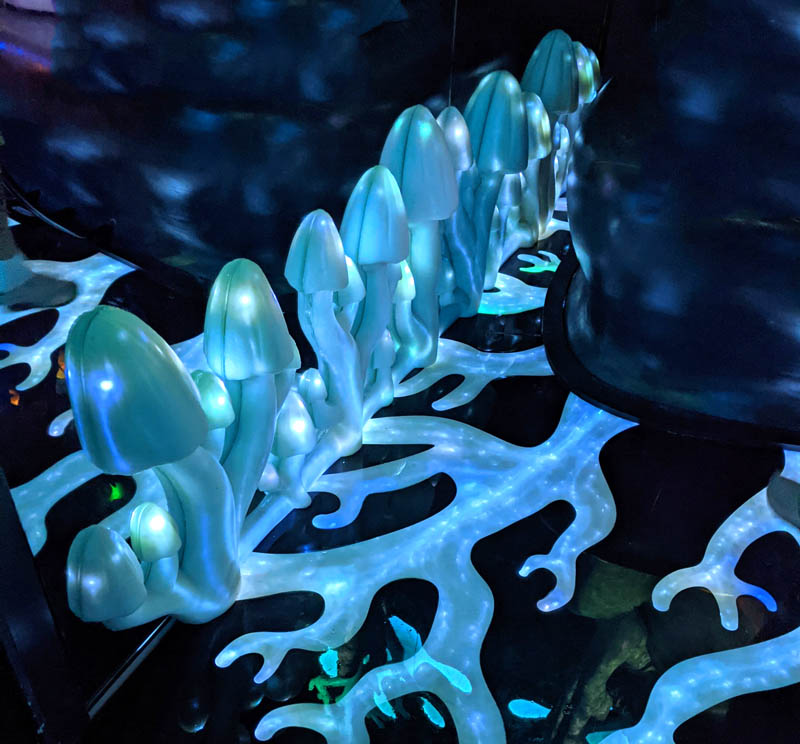
2. Let your inner artist shine:
Grab a brush or a pencil and make a drawing of something in front of you. Sketch a tree outdoors or a flower on your table. Write a note next to your sketch about your feelings as you’ve been drawing it. It’s about finding joy in the process of creation.
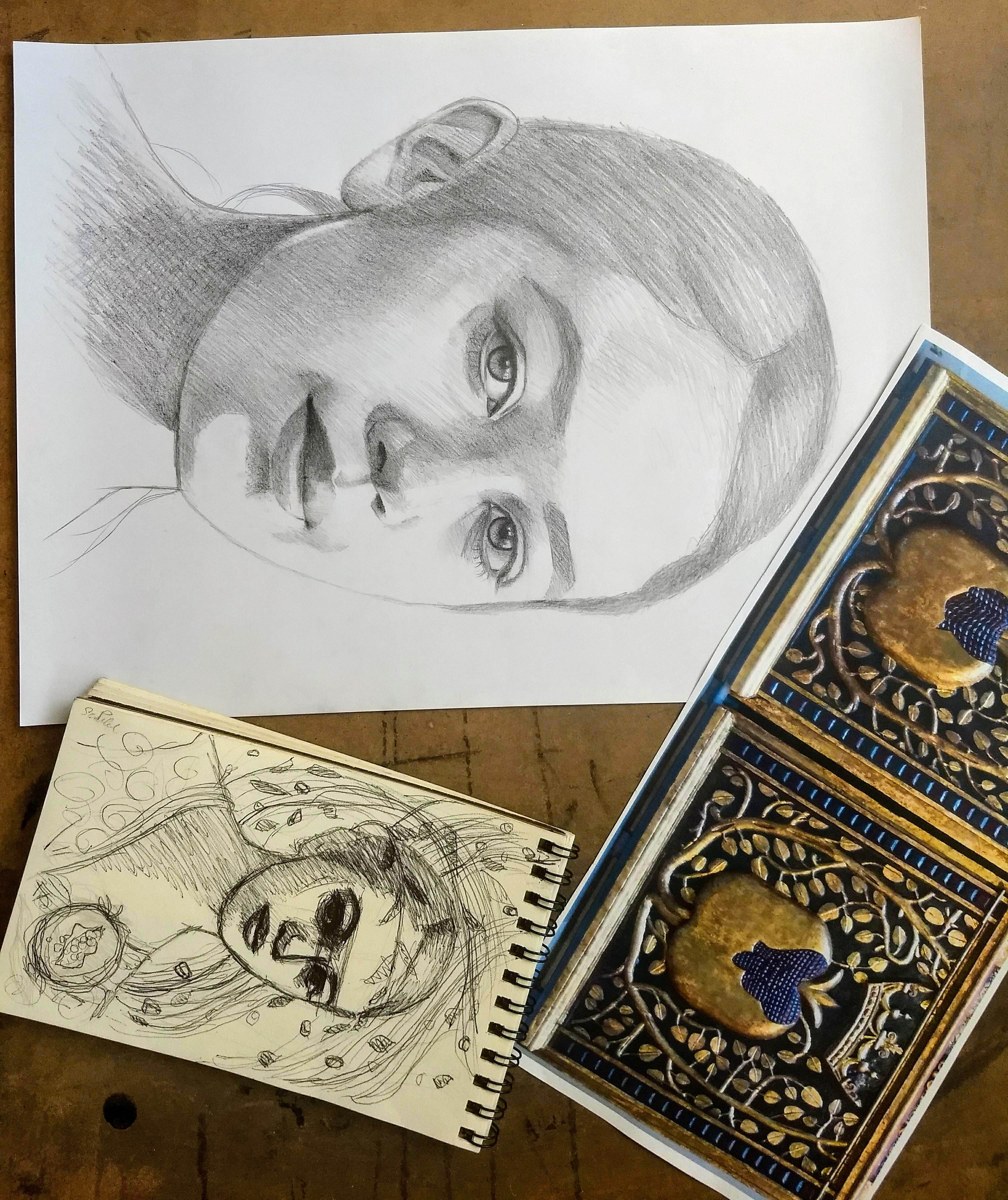
3. Turn your home into a gallery:

Surround yourself with art that speaks to your soul. Photographs, paintings, small sculptures or even handmade coffee cups can create a nurturing environment that reflects your inner world. Sometimes I visit homes that have 100% white walls. These houses look empty of color and emotion. Lacking personality, such houses are generic and sterile. Every human being is unique and by exploring your emotions in art, you create beautiful and healing space for yourself and others around you.
4. Engage with art in everyday life:
Notice the beauty in the architecture you pass, the patterns in nature, the colors of a sunset, the texture in your friend’s bag. Collect those moments in a sketchbook or pictures because the world is your scrapbook of memories and emotion.
5. Art therapy:
Art therapy is a profession and service that grew out of art-making. It’s about using visual arts as a tool for self-expression, emotional exploration, and healing. From trauma recovery to managing chronic illness, art therapy offers a powerful outlet for processing difficult emotions. If you think that drawing is not your thing, try making collage pieces out of magazines and postcards exploring your emotions. I find that I often make art and collages without any particular thoughts but the meaning reveals itself when the art is done… Just like writing or a combination of the two, such process can help you understand and process your painful past to move into the light.
Sometimes psychologists use projective tests to understand your psyche.
Deep Dive into Projective Tests:
Projective tests, like inkblots and incomplete drawings, offer a glimpse into unconscious thoughts, feelings, and conflicts. They often look like symmetrical blobs of paint juxtaposing negative and positive space. But how does it work, right?
The Projective Hypothesis: Imagine throwing a pebble into a still pond. Ripples emanate outwards, revealing the contours of the pond floor. Similarly, projective tests are thought to “disrupt” the calm surface of the mind, provoking responses that reflect our inner landscape. By presenting ambiguous stimuli, such as inkblots or unfinished sentences, psychologists encourage individuals to project their own interpretations and motivations, revealing facets of personality that might otherwise remain hidden.
Common Projective Tests:
- Rorschach Inkblot Test: The Rorschach presents ten inkblots of varying shapes and complexity. Psychologists analyze the patient’s interpretations, focusing on content, location, and movement. A bat in the blot might indicate anxiety, while seeing multiple figures interacting could suggest interpersonal struggles.
- Thematic Apperception Test (TAT): In this test, individuals tell stories about ambiguous pictures depicting people in various situations. The psychologist delves into the themes, emotions, and conflicts projected onto the characters, gaining insights into the patient’s underlying motives and needs.
- Draw-a-Person Test: Simple as it sounds, this test can reveal volumes about self-perception and emotional states. The size, posture, and details of the drawing can offer clues about self-esteem, anxieties, and interpersonal relationships.
You can read about these tests here: https://pdx.pressbooks.pub/thebalanceofpersonality/chapter/chapter-3/
Evaluation and Interpretation: Projective tests are not designed to provide definitive diagnoses, but rather to offer additional information alongside other clinical tools. Psychologists consider contextual factors, compare responses to established norms, and analyze the specific details and patterns in the patient’s interpretations. Projective tests can reveal deeper dynamics:
- Defense mechanisms: The way individuals cope with stress and anxiety can be evident in their interpretations, revealing defense mechanisms like denial, projection, or rationalization.
- Unconscious conflicts: Underlying anxieties, fears, and desires can surface through projected themes and symbolism, helping psychologists get to the root of emotional struggles.
- Relationship dynamics: Projective tests can shed light on how individuals perceive and interact with others, offering insights into potential relationship difficulties or attachment styles.
However, it’s crucial to remember that projective tests are not infallible and rely heavily on subjective interpretation with some cultural biases and individual quirks that can influence responses. While not perfect, they can be valuable tools for psychologists to gain a deeper understanding of their patients, their personalities, and the emotional forces that shape their lives.
6. Community art projects:
It’s often difficult to make yourself do something outside the house if you’re introverted or feel tired after a work week. However by going out and participating in collaborative art projects, you gain a sense of belonging, connection, and collective creativity that improves your mood and well-being. Imagine painting a mural for your community or taking an art class to learn the basics of pottery or sculpture. This activity can make you feel needed and appreciated by other members of the circle.
In conclusion:
Art is a valuable tool helping people express their emotions in a safe environment. Children benefit from doing art greatly by learning to explore their feelings and their relationship to the world around them. Art nurtures creativity, intrapersonal skills and grows emotional intelligence that becomes useful in a wide range of daily tasks. Art reduces stress and anxiety.
Remember, the emotional impact of art is unique to you. So, the more you explore, experiment, and record, the more your soul expands with empathy, love and curiosity. Art provides emotional connection to ourselves and the world while other activities may not have the same reach. Create healing space in your mind, home, relationships by developing your skills in painting, drawing, sketching, photography, pottery, etc. The world awaits your light.
The apotheosis of war
The US was involved in a number of wars in the past 100+ years.
Wars:
World War I (1914-1918)
World War II (1939-1945)
Korean War (1950-1953)
Vietnam War (1954-1975)
Gulf War (1990-1991)
War in Afghanistan (2001-2021)
Iraq War (2003-2011)
Proxy wars:
Chinese Civil War (1944-1949)
Greek Civil War (1946-1949)
First Indochina War (1946-1954)
Korean War (1950-1953)
Vietnam War (1954-1975)
Angolan Civil War (1975-2002)
Nicaraguan Revolution (1979-1990)
Salvadoran Civil War (1979-1992)
Soviet-Afghan War (1979-1989)
Russian-Ukrainian war (2022-
There is some debate about whether or not some of these conflicts can be classified as proxy wars. In Serbia, the US was involved in the NATO bombing campaign against Yugoslavia in 1999. This bombing campaign was launched in response to the Yugoslav government’s crackdown on ethnic Albanians in Kosovo. The bombing campaign lasted for 78 days and resulted in the deaths of hundreds of civilians.
The US has also been involved in the conflict in Libya. In 2011, the US led a NATO intervention in Libya to protect civilians from the forces of Libyan leader Muammar al-Gaddafi. The intervention resulted in Gaddafi’s overthrow and death. However, the conflict in Libya has continued since then, with various factions vying for power. The US has continued to be involved in the conflict in Libya, providing support to the internationally recognized government. However, the US has also been criticized for its role in the conflict, with some accusing the US of destabilizing the region and creating a power vacuum that has been exploited by terrorist groups. The US involvement in the conflicts in Serbia and Libya has been controversial. Some argue that the US interventions were necessary to protect civilians and promote human rights. Others argue that the interventions were illegal and counterproductive, and that they have contributed to the instability in both regions.
Additionally, the US has been involved in a number of other conflicts over the past 100 years, but it is difficult to say definitively whether or not these conflicts can be classified as wars or proxy wars. For example, the US intervention in the Dominican Republic in 1965 and the US invasion of Grenada in 1983 are often considered to be military interventions, but they could also be classified as proxy wars, as the US was supporting or opposing specific factions in those conflicts.
Written with knowledge of AI-based Google Bard.
PS. The US is currently involved in the Russian-Ukrainian war and the Israel – Palestinian conflict in 2023.
Collective consciousness
Some day I will disappear. Family, relatives, friends and people I passed by once will also be gone in a few decades. Strangers will occupy our homes, jobs and aspirations. My memories will end along with my art. We all come and go like tiny specks of the universe. So what’s the reason for people to want more power, influence, and reaches?
We all should live in fair comfort of course, but we run for greater success and importance. Many of us are workaholics feeling uncomfortable in stillness. Some hate their jobs but feel determined to continue living in the grind. Others drift without a direction, hope or love. Everyone complains about the lack of time to do something good. Yet we all have the same 24 hours in day.
If we all considered the nature of life in the universe, we would rebalance our priorities and outcomes. We would pay more attention to our inner life and our relationships with others. We would value even silly moments spent with friends and family . We would feel love more often. We would find joy in warm hugs and grey clouds. We would pay more attention to a beautiful light swirling in our morning coffee. We would see magic in a brisk walk in the woods. We could keep more joy in our hearts, yet we open spaces for envy and hate.
Artists try to rebalance the universe. Fill it with light and beauty while the psychopathic people govern with lust for more control, power and wealth. Most people can grow beautiful flowers of joy inside their hearts, awakening to their full consciousness, sociopathic personalities can’t.
The easiest thing to do is to sit on the bleachers and complain. If you don’t like something in your life, change it (It wasn’t me who said the last two sentences. Rather the president of the Oklahoma State University at my graduation in 2003). Accept help from people around you or offer it to others if you see it’s needed. We have a chance to create harmony and peace collectively. We still have the time.
 | |
Independence
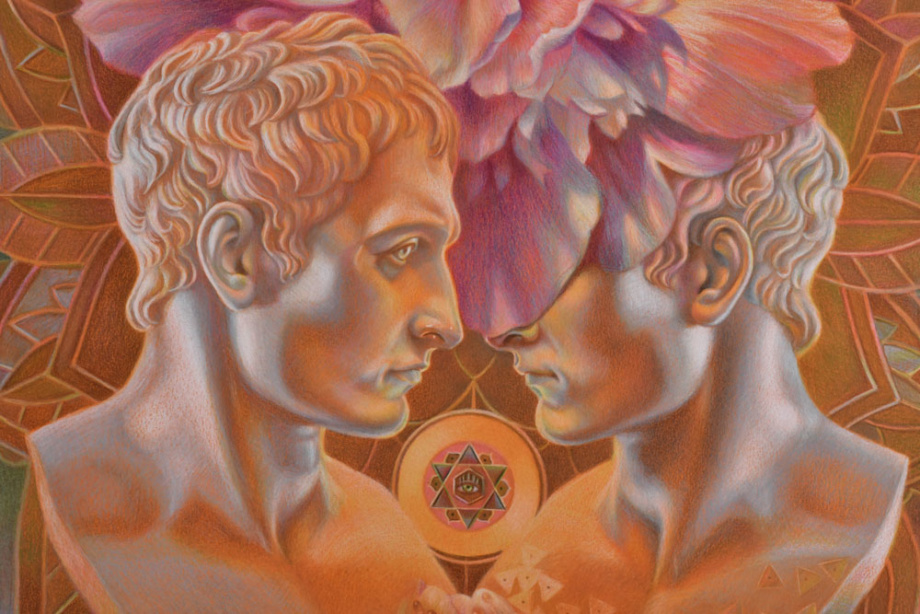
Every nation wants to be independent and fights for its freedom to be just that. Independent. Every nation and its people affirms its difference from others. Yet when thoughts on racism, oppression or minorities arise, every nation and person want to be treated equally. What’s the relationship between nationality and equality then?
The thing is that all nationalities and people are the One and the same. Because we all have the same emotions, struggles, and joys. We experience love and hate not based on our race or nationality or belonging to a particular group of people. We have dreams, wants and reactions regardless our nationality. We act and behave as people based on our personal beliefs, emotions and upbringing for the most part.
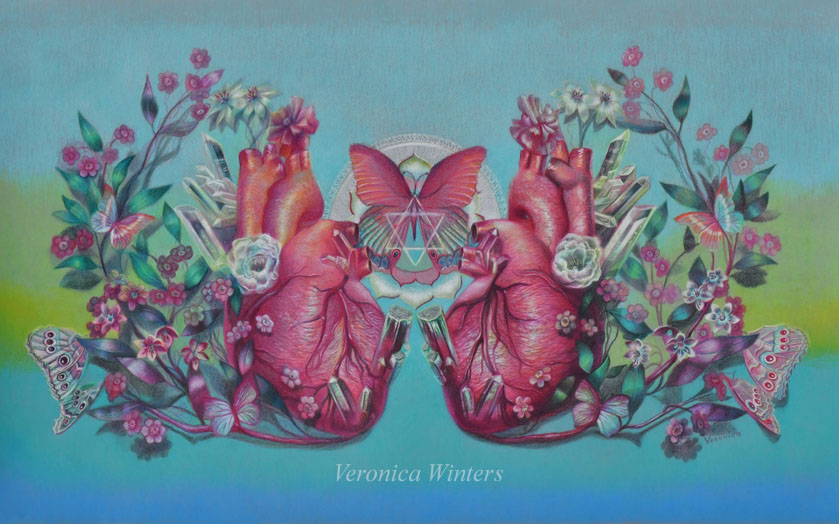
People fight for independence in wars because the “superior” nation decides that the “minority” would do better with them. A conflict based on superiority or values consumes people with anger. Everyone is busy thinking that they’re patriots fighting for their national honor. Those who disagree are labeled as traitors.
However this sense of belonging, love and independence is always present deep inside every person of every race and nationality. Please know that you can always access your sense of peace inside you. That you matter and your soul is rich with love, wisdom and experience. We all belong to the Universe where national or racial distinction doesn’t exist.
Check out visionary art for sale

The miracle of traveling to Nicaragua: how it changed my perception
In June 2012, our group leaders Jeff and Stelli Munnis organized a mission trip to fly to Nicaragua. Through the Seeds of Learning, a non-profit organization supporting the education projects in Latin America, we worked on the school building project in a small town of San Ramon, situated in the beautiful mountainous area, not far from Matagalpa. Chamba and Mina were the local leaders, responsible for the project’ completion and our well-being. 🙂
Our group arrived to the country to complete the interior and exterior wall painting, the construction of a separate kitchen (Nicaraguan mothers volunteer to cook lunches for their kids daily), and the building of some pathways with benches around the school. I must say that our expectation how the school is supposed to look like has nothing to do with the ones build in Nicaragua. Those are small, simple buildings with few rooms and fenced windows.
Since I came back from Nicaragua, I’ve been asked a number of questions that I’d like to answer here.
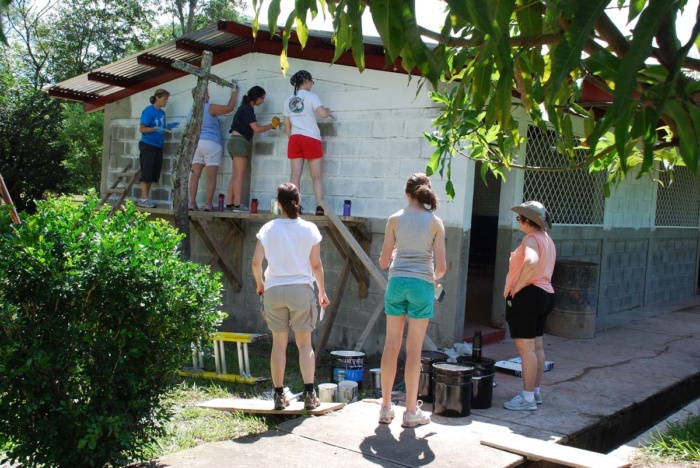
What did I bring from my trip?
I bought a few handmade pieces from the local artisans that included a couple of handbags and some jewelry made of real, colorful seeds. But what I really brought from my trip were the intangible things. Mainly, a change in my attitude about life. It was an intense period in my life when I had to look inward to understand myself and my needs, to clarify my goals and purpose, and to just appreciate life a whole lot more than I used to.

How much was it?
In short, $2100 including the ticket … Some questioned my decision to spend my money on this kind of a trip that didn’t include the luxurious accommodations and a beach resort, rather made me look at the incredible level of poverty, made me sleep in a hot and humid room with a bunch of strangers (our group members were the strangers to me at first). I also took cold showers (there was no hot water in the houses), drove over the pitiful roads, had stomach pain, sweated for hours under the blinding sun, inhaled the paint fumes with the dusty, polluted air, missed out on my daily news intake, as well as running, baking, drawing, painting, and not drinking the hot Earl Grey tea. I can go on and on.
What did I gain?
A lifetime of raw experiences and a change in perception… I saw pure joy and happiness derived from simple pleasures – the interactions with friends, family and strangers that reminded me of my native country. The Nicaraguans had no access to infinite shopping, the Internet, gaming, or workaholic lifestyle. I didn’t encounter the unspoken, spiritual emptiness often observed in the West. As many choose to live the American dream owning a house, two cars and a dream vacation each year both good and bad comes with it. Owning a house often defines our identity. We work for it. When the house is lost due to fire or other accident, it feels like everything is gone. We feel as a failure. It happens as we often focus on getting the nice things, become the slaves to our endless need to work to support our lifestyle. This is the exact opposite of the Nicaraguan culture. Their focus is family, the cultivation of relationships and friendships. I was never interested in possessions or the accumulation of stuff, coming from the former USSR where everything was rationed, and in this country I found a similar focus on friendships.
Of course, Nicaraguans also have problems. Poverty is one of them. Yet, diving into a different culture was like breaking out from a shell that guarded my settled world. It was refreshing to look at the sincere enjoyment people had in their daily interactions with each other. It became the time to acknowledge their struggles that often involved hard, manual labor, and to appreciate my lucky existence living in the U.S. It was about seeing the humanity in simple things and actions, finding value in life, and accepting myself and others.
In Nicaragua we all had some rough times that reinforced our gratitude for having the very basic things back home, like warm running water, electricity, air-conditioning, and the rudimentary appliances that cut on our time doing the housework. But most importantly, I woke up from my sleep, redefined my beliefs, habits, and stopped being so self-destructing and unkind to myself.
+ Originally published in the summer of 2012.

To learn more:
- Stelli Munnis http://www.stellimunnis.com/about/ and Veronica Winters talk about their art installation Eyes to See, filmed by WTAJ TV, State College, PA on Nov.2, 2012 https://www.youtube.com/watch?v=NNBNSozqy4Q
- To see a video of the trip, go to YouTube and type in “Americans in Nicaragua” https://youtu.be/V4JWJ0X8P-M
- To donate to the Seeds of Learning or to go on a trip like mine, visit: www.seedsoflearning.org
Eyes to See: U.S. Volunteers in Nicaragua, photo book, 160 pages
In this beautifully illustrated book, Stelli Munnis http://www.stellimunnis.com/about/ and Veronica Winters share what it’s like for Americans volunteers to travel to Nicaragua with the nonprofit organization, Seeds of Learning. Although volunteers travel to Nicaragua to build or renovate a school building, the real work happens when things are torn down. As the barriers between people are removed, and the walls individuals erect inside themselves are torn down, they become authentic and caring with one another. Volunteers return to the U.S. feeling different about themselves, others, and the world. They can’t help but feel deeply moved and touched by the hearts and spirits of the Nicaraguan children and people. The book contains over 100 full-color photographs that capture the spirit of what it’s like from the perspectives of volunteers, the children and people of Nicaragua.
My pictures represent a journey to a country with little means yet abundant friendliness. It is a place filled with strong women, free-spirited children, and laid-back men. The Nicaraguan way of life is slow-paced, hard labored, and dedicated to familial relations and friendships. It’s also a place where coffee growers, farming communities, and local co-ops harvest the land and live simply.
Images of children take a special part in this book. They had a natural, unspoiled ability to pose for my Nikon without any preconditions or special arrangements that others typically require when being photographed. They were neither rude nor aggressive; rather, they were kind, well behaved, and loving. I was drawn to their natural beauty and eagerness to communicate with our group of strangers and foreigners. This experience was deeply touching and filled my heart with love and gratitude.
The lush tropical landscape, verdant mountains, and blue skies with billowy clouds provide the backdrop to many of my photographs. It was my intent to capture the spirit of the Nicaraguan people and their rustic lifestyle, while also showing the architecture, housing, and utilitarian objects used in everyday life.
My sole purpose for creating this book is to let curious hearts see and understand the country. It’s a powerful and transforming experience to travel to the second poorest country in the western hemisphere and witness how people there live. It my sincere desire that my photographs will inspire many Americans to travel to Nicaragua with Seeds of Learning or donate to their organization. They are committed to providing children and communities with a tangible opportunity to improve their lives by having greater access to education.
Thank you for your interest in our work and for supporting this project!
-Veronica
Gun violence in America: how we can make a positive change
The second I saw the face of an alleged school shooter in Parkland, Florida, my mind threw me back in time when I worked as a visiting artist in rural schools of Pennsylvania. The arts grant allowed for artists’ placement in public schools to teach their particular art form to every kid in class. The school children usually had a very limited exposure to the arts, living in small towns or rural communities. Those were sobering moments in my life because I began to see how poverty, incarceration of family members, and the ‘no child left behind’ policy affected children every day. Parents and politicians often blame the teachers for bad education, but teachers are not the real problem. I saw care and commitment. The problem was the educational system and poverty. In such work, I met a teenage boy who seemed focused, polite and content on one day, and the same kid would emit incredible amount of anger on another day. Sometimes, I felt like he could hit me for no reason when I stood next to him, and one day he got handcuffed in class by a policeman to be escorted out of the classroom. While I wasn’t his target, I felt shaken. Later I learned that someone from his family was jailed for drugs, and his crazy behavior was the result of his family conditions at home. The teenage boy became the outcast because both his family and society failed to protect his broken heart…
As cruel as it sounds, it’s not the last mass shooting happening this year. We almost get accustomed to these chilling events when parents drop their children off at school, and some kids never come back home. Instead of looking into the gun laws and prohibiting the military-style weapons from purchases, we are offered prayers, condolences, and the denial of the obvious. Politicians will always serve their agenda, financially depended from the NRA.
The U.S. is the only highly civilized country in the world that shows consistent outbreaks of gun violence. Its free and democratic society allows people to shoot on the streets, in movie theaters, college campuses, schools, and even churches. I’ve never seen so much violence in my life as I see in the news here, but we can’t really blame the media for that. Gun ownership is more than the right. What I see is daily conditioning of the young, growing up watching unbelievably realistic violence in movies, killing people in video games, and seeing cruelty online. Often times the depiction of heroes or “cool” men with multiple weapons somehow justifies their actions, raises them to the pedestal of manliness, and shows them as the singular and the most just defenders of American freedom. The Hollywood movies impress me with depictions of cruelty happening on big screen. Why does “the Game of Thrones” receive such accolades when every few minutes someone is violently killed or mutilated? Of course, there is an argument that it’s the reality of our world and humanity, but I have to say that teens live and learn from that, develop ideas and become accepting of the horrific events, instead of learning to appreciate the acts of kindness, love, and forgiveness. This twisted social norm affects generations.
While viewers get horrified and sob over the innocent people killed in the movies like “the Hunger Games,” we as a nation have no problem sending our children to war. Barely out of high school, these children become the “army proud” and “army strong,” serving our country or maybe serving the views of the elite controlling the end game. In a high school graduation ceremony of my son, I witnessed complete insanity. After all the students received their academic awards, only two of them deserved a standing ovation. Those students stood on a podium to accept the society’s loud appreciation for going to become soldiers. No academic achievement caused even a quarter of loud applause they received. Why are we so proud of sending children to fight and get killed? This country is my home, but its actions often make me shiver.
I believe that the real change will come with the new generation taking charge of the U.S. Congress. It will come when the culture embraces emotional health and beauty in school classrooms by offering classes that take care of our feelings, not just brains. When we see a lot less violence in the movies and video games. When we feel the need to be responsible for the community and people around us. We never know where or how we will lose our lives, but the immediate solution is to offer love and care to others every day, no matter how hard it may be. Maybe then there will be a place in time and space when everyone becomes peaceful and kind, and not overwhelmed with grief, frustration and pain.
https://en.wikipedia.org/wiki/Charleston_church_shooting