Review: The Law According to Lidia Poët
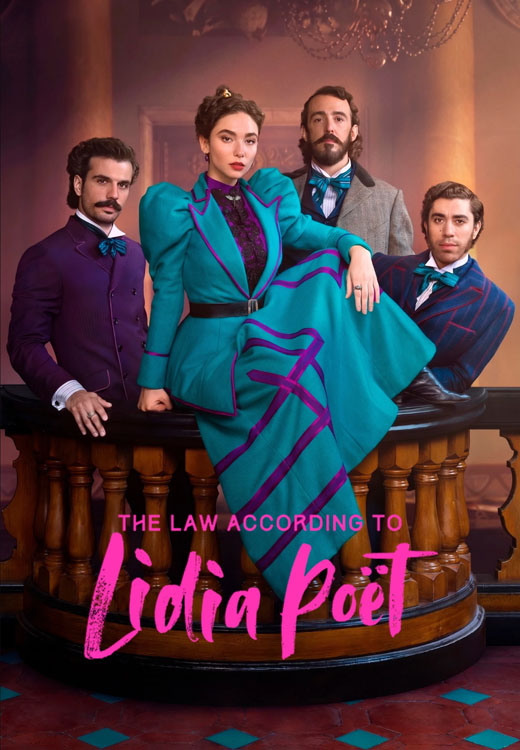
If you are looking for a riveting story and feist for the eyes on “Netflix”, The Law According to Lidia Poët is a must-watch series. This Italian period drama spans three seasons and tells the inspiring true story of Lidia Poët, the first modern female lawyer in Italy. Set in late 19th-century Turin, the show follows her struggle to practice law in a society that legally forbade women from entering the profession. Therefore, she had to work together with her brother, a practicing lawyer in Turin, to investigate cases and save victims from prison.
A Story of Ambition and Style
The series focuses on a young woman who refuses to accept societal norms of that period for an answer. While the show sometimes feels lighthearted or even naive, the lead character is a fantastic role model for women. She represents an inspirational figure with big goals—the kind of character many of us wished we had seen on TV when we were young.
One drawback for families is that the show includes some sex scenes. Although tastefully done, without these, it would be a perfect recommendation for teenage girls looking for career inspiration. However, the core message remains powerful: a woman’s fight to be treated as an equal to men in her chosen field.
Why Netflix’s Lidia Poët is the Ultimate Period Drama for Fashion Lovers
Lidia Poet is a visual masterpiece! Beyond the story, the production value is incredible. The costume design is stunning enough to deserve an Oscar nomination. Every outfit is a work of art, making the show a literal “feast for the eyes.”
The cinematography is equally impressive. Each scene uses beautiful lighting, creative camera angles, and rich colors. It is easy to get “glued to the screen” because the visual world of 1880s Turin is so absorbing.
Italians are the masters of art, and The Law According to Lidia Poët didn’t disappoint me. According to Netflix, the production employed more than 600 cast and crew members, supported by an additional 2,700 extras and daily hires. They filmed the series across 110 locations—primarily in Turin and the Piedmont region. Artisans created 90 unbelievably beautiful costumes and 100 jewelry pieces! I was totally mesmerized by visual flair of costumes in the series.
The stunning costumes I enjoyed in The Law According to Lidia Poët were designed by Stefano Ciammitti.
Ciammitti is a talented Italian costume designer known for his meticulous attention to historical detail. For this series, his work was specifically praised for how it used fashion to tell a story of female empowerment. He balanced historical accuracy with a modern “editorial” look, using expensive fabrics and unusual patterns (like the “kimono” style robes Lidia wears at home) that have made the show a favorite for fashion bloggers. He was supported by Sara Barsotti, the costume supervisor, and a large team that sourced and created the elaborate 19th-century wardrobes. He often incorporated restrictive elements like stiff waistcoats and structured jackets to mirror the legal and social restrictions Lidia faced at that time. You may have noticed Lidia wearing “suit and tie” blouses, which was a deliberate choice by Ciammitti to show her emulating the professional attire of men to be taken seriously in court.
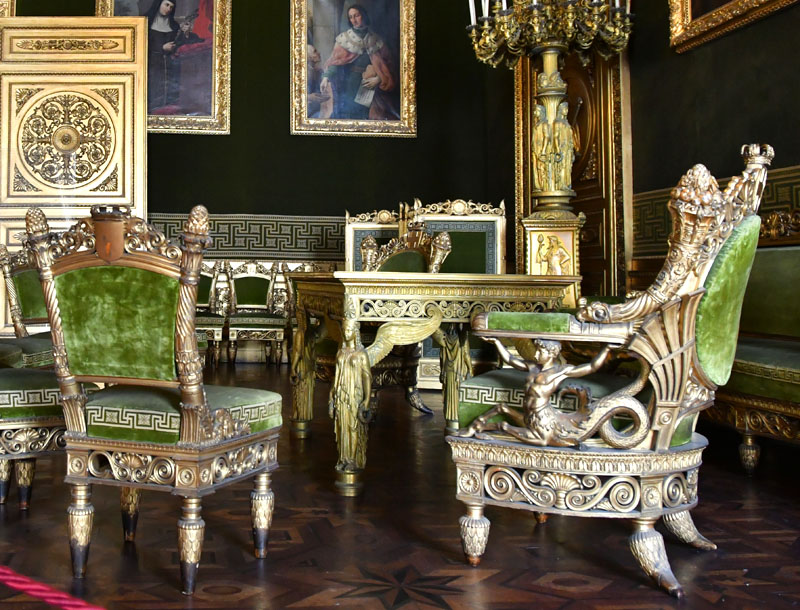
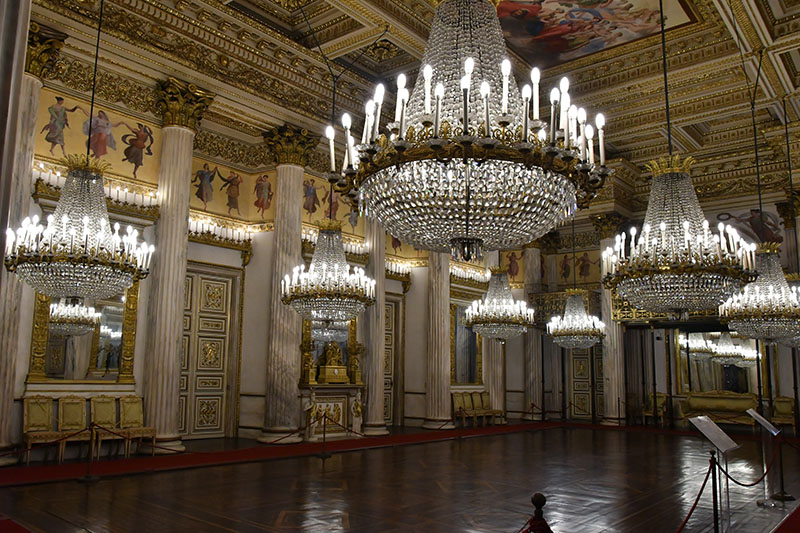
Most of the scenes were shot in Turin, including town’s prison Le Nuove and the Le Nuove Museum. For the third season, the crew moved to Rome. I love Italy for its landscape, art and people. I visited it numerous times, and I have been to Turin in the past. I hope you’ll feel inspired to travel there after watching this fascinating series.
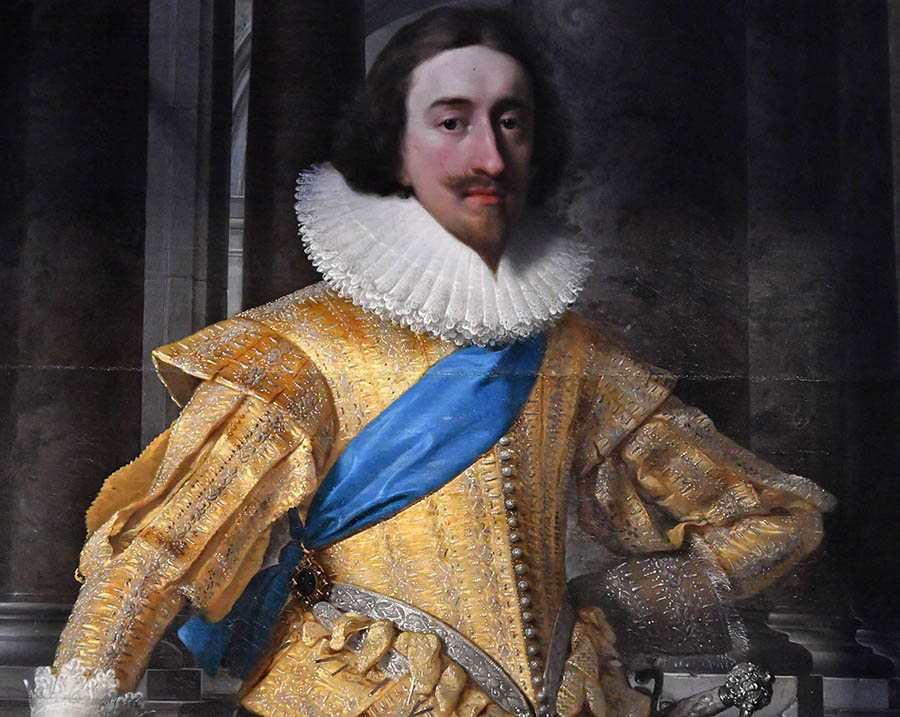
The Cast and Characters:
The actors bring this history to life with great skill and charm:
Matilda De Angelis (Lidia Poët): A talented and oh so beautiful Italian actress was born in Bologna. Before this series, she gained international fame starring alongside Nicole Kidman in the HBO hit The Undoing. Besides acting, Matilda is also a singer.
Eduardo Scarpetta (Jacopo Barberis): Also Italian, Scarpetta comes from a famous family of actors and playwrights in Naples. He is well-known for his role in the acclaimed series My Brilliant Friend.
Pier Luigi Pasino (Enrico Poët): Known for his work in Italian theater and television, he plays Lidia’s brother, providing a grounded contrast to her rebellious spirit.
While I wish there were more than three seasons, the existing episodes are perfect for relaxing and finding a bit of inspiration after a long day of work.
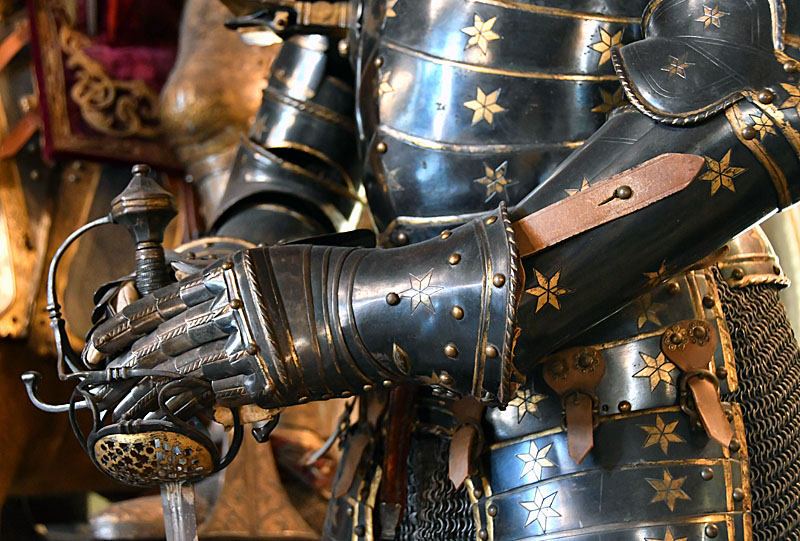
What to see in Turin inspired by the series:
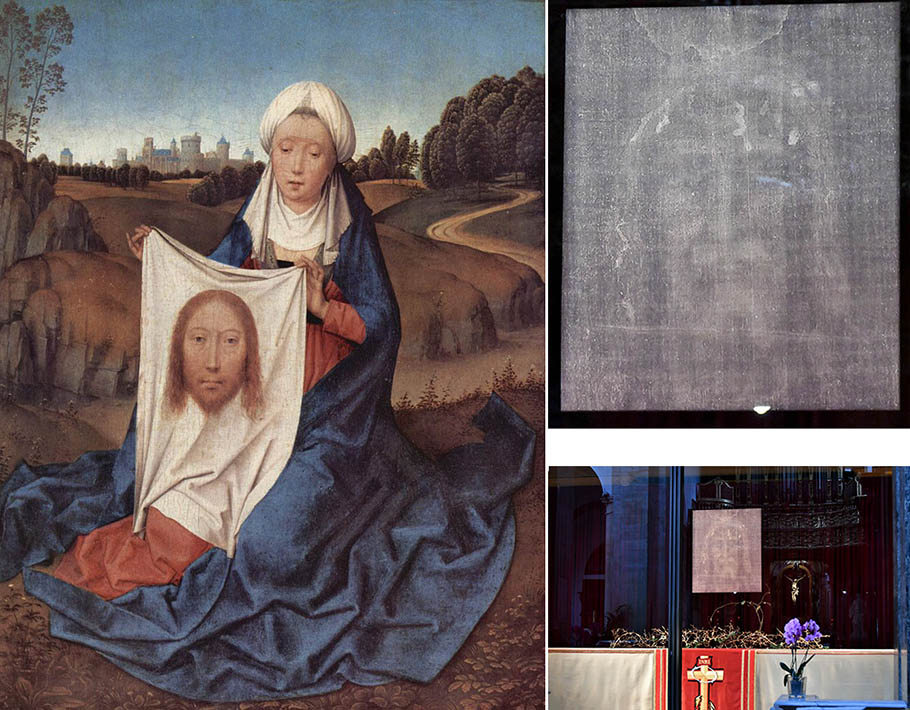
Turin is a city defined by royal Savoy history, grand baroque architecture, and a unique cinematic atmosphere. Whether you are interested in ancient artifacts or the elegant filming locations of period dramas like The Law According to Lidia Poët, here are the top places to visit.
Mole Antonelliana is the undisputed symbol of the city. Originally designed as a synagogue, this 121-meter tall spire now houses the National Museum of Cinema and features a glass elevator with 360-degree views of the city and the Alps.
Palazzo Reale (The Royal Palace): The Royal Palace of Turin showcases the opulent lifestyle of the House of Savoy, complete with royal apartments and a world-class armory.
Egyptian Museum: The Museo Egizio is one of the most important museums in the world for Egyptian antiquities outside of Cairo, housing thousands of artifacts from statues to papyrus scrolls.
Palazzo Madama: Located in the heart of Piazza Castello, Palazzo Madama features a stunning baroque facade wrapped around a medieval castle, now serving as a museum of ancient art.
For those who enjoy the elegant 19th-century aesthetic seen in The Law According to Lidia Poët, a visit to Palazzo Carignano is essential; its unique red-brick facade served as the exterior for the courthouse in the series.
Parco del Valentino: Parco del Valentino is a peaceful riverside park home to the Castello del Valentino and the Borgo Medievale, a charming replica of a 15th-century village.
Basilica of Superga: Perched on a hill overlooking the city, the Basilica of Superga offers one of the best panoramic views of Turin and was also featured in the Netflix series.
Turin is famous for its historic cafes and chocolate. A visit is incomplete without trying the Bicerin—a local drink made of coffee, chocolate, and cream. Visit the legendary Caffé Al Bicerin, where this famous drink originated in 1763, located in the beautiful Piazza della Consolata.
Have fun traveling to Turin, guys!
Check out my art by tapping the images below. 🙂
Art books from the artist: