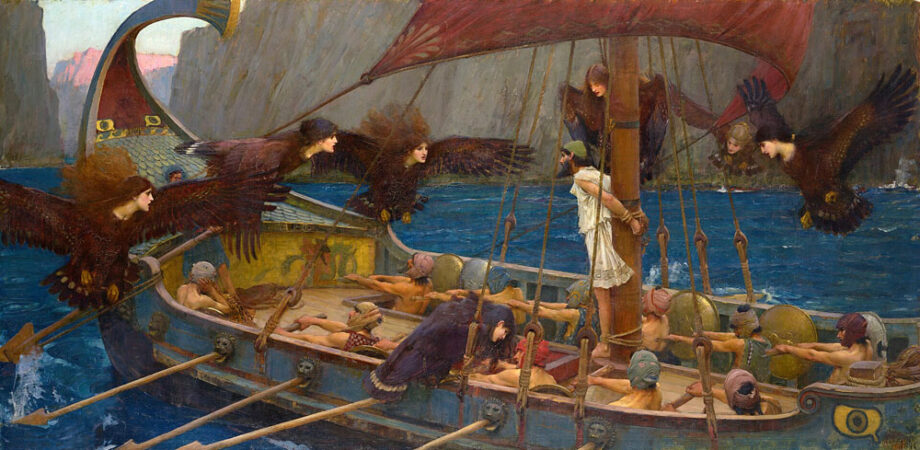
Review: The Odyssey – Sound, Suffering, and Casting Controversies in Nolan’s Epic
Viewed through the lens of contemporary American culture wars, Christopher Nolan’s The Odyssey (R, 2026, Action/Fantasy) deliberately challenges the traditional heroic status of its protagonist. Here is why the Odyssey movie didn’t capture my heart.
Plot Summary:
King Odysseus of Ithaca spends ten years fighting in the Trojan War, sparked by the abduction of Helen of Troy. After the war, cursed by the sea god Poseidon, he spends another decade attempting to return home. Due to memory loss, seven of those years are spent trapped on the island of the nymph Calypso.
Meanwhile in Ithaca, Odysseus’s wife Penelope and their son Telemachus contend with arrogant suitors who have overrun the palace, consuming its resources and pressuring Penelope into marriage. Guided by the goddess Athena, Odysseus confronts a series of perilous monsters and magical beings—the Cyclops Polyphemus, the witch Circe, the Sirens, and the sea monsters Scylla and Charybdis. After losing his entire crew, he finally reaches Ithaca disguised as a beggar. With the aid of Telemachus and loyal servants, he wins an archery contest devised by Penelope, slaughters the suitors, and reclaims his throne.
(Note: The Homeric Odyssey itself belongs to the Greek oral tradition later formalized in writing; its scholarly editing and standardization occurred in Ptolemaic Egypt during the third century BC. Original fragment of papyrus https://www.metmuseum.org/art/collection/search/248134)
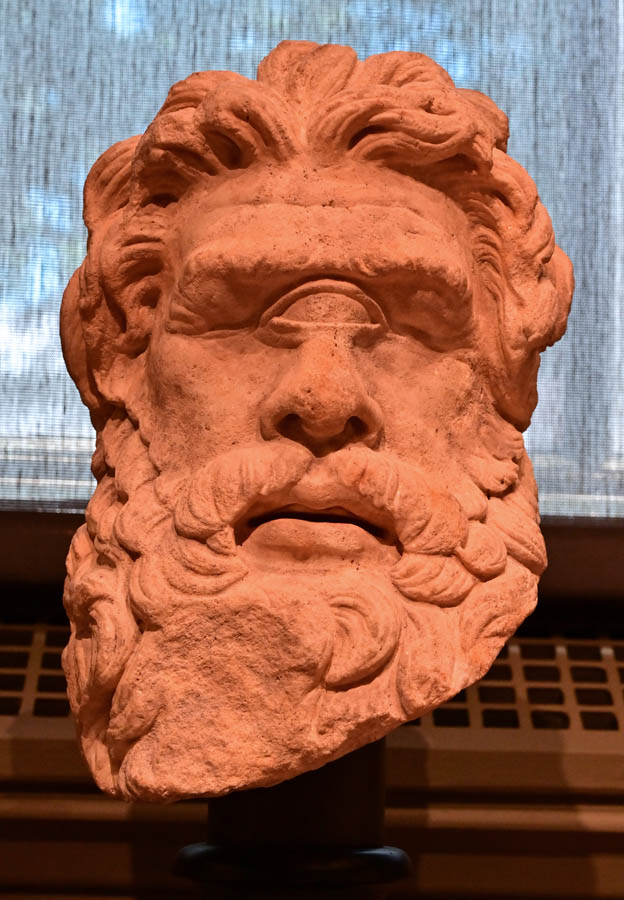
Marble from the Greek island of Thasos. Though Homer describes a monstrous, flesh-eating
Polyphemos, this marble likeness portrays him as malformed rather than hideous. With voluminous,
shaggy hair, parted lips, a deeply furrowed brow, and a single, almond-shaped eye between two clenched
sockets, this may be the Cyclops shortly before his blinding, awaiting a cup of strong, unmixed wine
from Odysseus. More likely, though, we are seeing Polyphemos gazing love-struck at the sea nymph
Galatea-the subject of his unrequited love, according to Hellenistic poetry. This type of depiction originated
in the 2nd century BC, yet the sculpture’s lively and direct style makes it difficult to judge whether it is a
contemporary variant or a Roman copy.
What Worked in the Odyssey film:
Matt Damon disappears into the role of Odysseus. From the opening sequences, he becomes a distinct character marked by the horror of the Trojan War he helped orchestrate alongside Agamemnon. Damon delivers a complex, emotionally layered performance that ranks among his strongest, if not the best.
The film’s most compelling theme is its reframing of heroism. Odysseus’s decade-long voyage functions as a metaphor for the soul’s prolonged suffering and remorse after war. He appears lost, tormented, and disoriented. Each encounter with sea monsters compounds loss and tragedy. Homecoming—literal and spiritual—becomes the central preoccupation.
Supporting performances are also impressive. Anne Hathaway brings raw emotion and quiet power to Penelope. Benjamin Safdie’s Agamemnon is deliberately withheld from clear view—often filmed from behind or in shadow—creating a menacing presence. Samantha Morton is cunning and unsettling as Circe without tipping into drama excess.
One of the strongest sequences is Odysseus’s encounter with the dead. The boundary between the underworld and the living world feels tense, dark, and recognizably human.
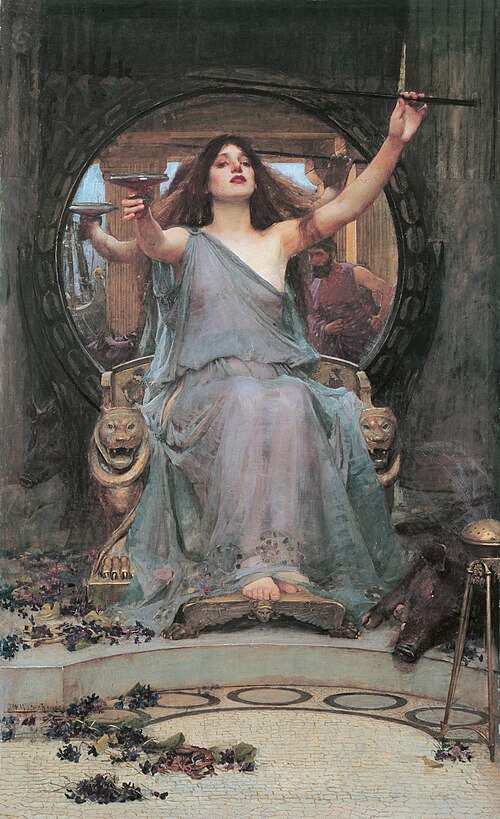
Wikipedia description: The painting depicts a scene from the Odyssey. Circe, a sorceress, offers a cup to Odysseus (commonly Ulysses in English). In the cup is a potion. Circe seeks to bring Ulysses under her spell, as she has done with his crew. Two of Ulysses’ crewmen have been transformed into pigs; one can be seen beside Circe’s feet on the right, while the other is peering out from behind her throne on the left. Ulysses’ reflection can be seen in the mirror behind Circe’s throne, in addition to the columns of her palace and Ulysses’ ship.
Ulysses, intrepid and worried about his sailors, tries to save them and, on the way to do so, Hermes (the messenger of the immortals) intercepts him and tells him of Circe’s intentions. He advises Ulysses to find a special plant that makes him immune to the effects of Circe’s potion, which he proceeds to do. Under the impression that the effects of the potion have taken hold, Circe touches Ulysses with her wand to complete the transformation process. He threatens Circe with his sword; she then seduces him and coerces him into sleeping with her to return his sailors. He reluctantly agrees, and, after the arrangement is consummated, she returns his sailors to their human form.
Christopher Nolan’s sound design:
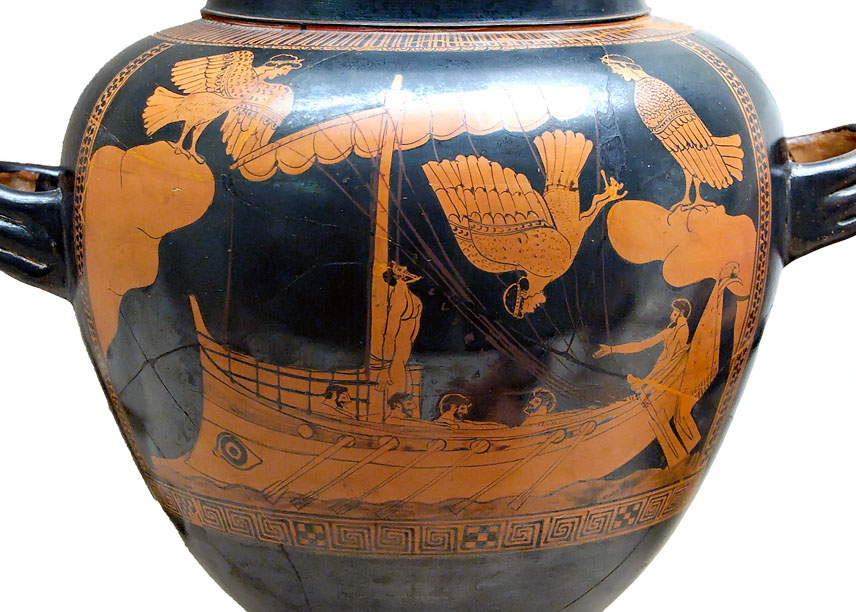
Sound design stands out as one of the film’s most distinctive achievements. Instead of relying on conventional orchestral scoring, Nolan uses layered sound effects to construct shifting emotional landscapes. Dense, overlapping sound fields that mirror psychological intensity. This approach gives the movie a singular auditory identity I enjoyed the most watching it.
The director used the audio recorded on set (the actors’ actual performances in the moment) rather than re-recording dialogue in a studio later. This preserves spontaneity and environmental texture but often introduces noise, muffling, or competing elements. Dialogue is frequently mixed beneath or within effects and score so that it functions partly as another texture. The mixes are designed for large cinema systems (IMAX). Longtime sound designer/supervising sound editor Richard King (multiple Oscar winner for Nolan films including The Dark Knight, Inception, and Dunkirk) works alongside composers such as Hans Zimmer or Ludwig Göransson to build highly integrated soundscapes.
Previously, the mechanical noise of IMAX cameras made clean dialogue difficult, especially in intimate scenes. For The Odyssey—the first feature shot entirely on IMAX film cameras—IMAX developed a new sound-dampening enclosure (the “blimp”). It allows the camera to be placed a foot from an actor’s face while they whisper and still capture usable production audio. This finally lets him combine full IMAX visual immersion with intimate, authentic performances without relying heavily on ADR.
Nolan explicitly instructed composer Ludwig Göransson not to use a conventional orchestra. He wanted an earthy, immediate, non-romantic sound world that matched the film’s visual tone. Göransson reconstructed ancient Greek instruments: the aulos (double-reed flute) and early lyres. He used bronze gongs and struck metallic objects of varying sizes.
In The Odyssey, these tendencies are applied to a mythic, elemental story: the sea, monsters, memory, and the long journey home are rendered through tactile, period-inflected, often harsh sonic environments rather than sweeping romantic orchestration. The result is a highly distinctive sonic world that treats sound as a primary carrier of theme, emotion, and atmosphere.
What Didn’t Work in the Odyssey:
The film offers no meaningful transformation of the hero—at best a misreading of the original figure. Nolan strips away Odysseus’s traditional cunning, resourcefulness, and heroic stature, concentrating instead on postwar soul-searching and the difficult journey home. The depiction of pain, loss, and struggle is convincing on its own terms. Yet because the audience learns almost nothing of Odysseus before or during the Trojan War, viewers never witness the intelligence and strategic brilliance that define the character in Homer. What remains is prolonged suffering rather than a completed hero’s arc. In this respect the film can be read as another installment in a broader cultural narrative that reframes the “white male ideal” as something to be dismantled or diminished.
Casting choices prove equally problematic. Before seeing the film, I expected media criticism of the unconventional casting to be overstated. Once the story unfolded, several decisions appeared misjudged—particularly Helen of Troy and Telemachus.
Lupita Nyong’o plays Helen (and also her sister Clytemnestra in a dual role). Although the part is small, the disconnection from the source material is pronounced. The film replaces the figure traditionally described as the most beautiful woman in the Greek world with an angry characterization that feels distant from the myth.
Tom Holland’s Telemachus is the weakest casting decision. The performance lacks presence and character, and the choice of a famous British actor (actor playing The Spiderman) for a suntanned Greek man further distances the youth from its cultural origins. An unknown Greek actor would have been preferable.
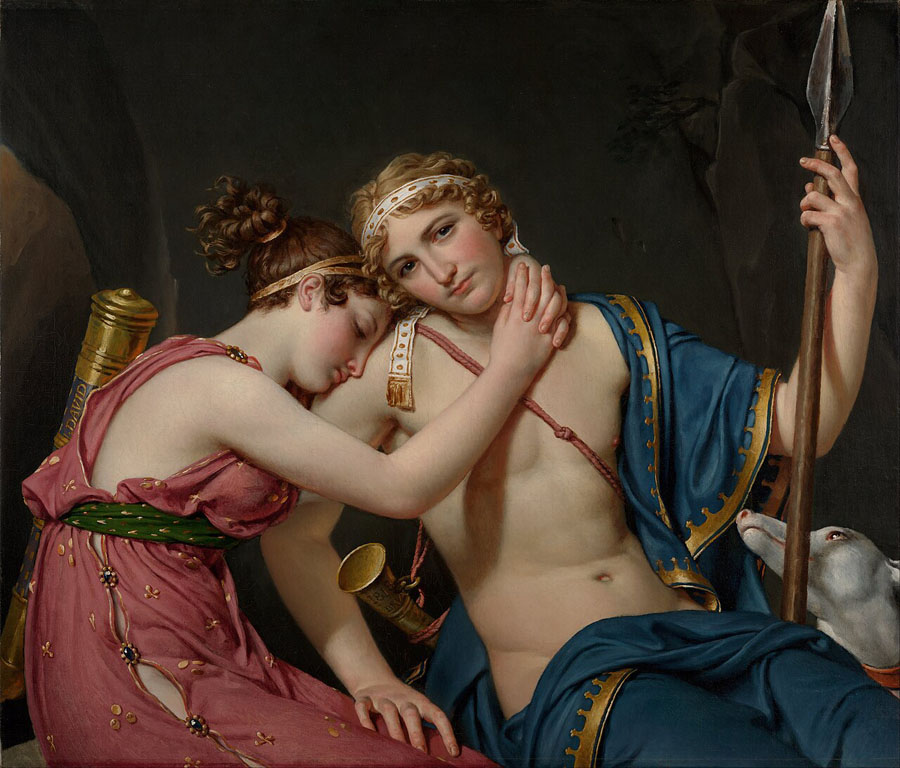
Zendaya’s Athena is competent but muted. The goddess of wisdom and strategic warfare, customarily shown armored and formidable, appears here largely human and gentle. While the quieter portrayal has its own appeal, the absence of vigor and heroic authority is also questionable.

Charlize Theron’s Calypso is visually striking yet remains undefined; she never conveys the divine qualities expected of a nymph, leaving the character confusing. Jonathan Bernthal’s Menelaus adds little distinctive presence. Robert Pattinson’s Antinous stays within a standard “villain” register. Elliot Page’s Sinon is best left unremarked.
Dialogue is frequently primitive and tonally out of place, undercutting the gravity of key scenes. Poorly written dialogues made me shiver at times throughout the movie.
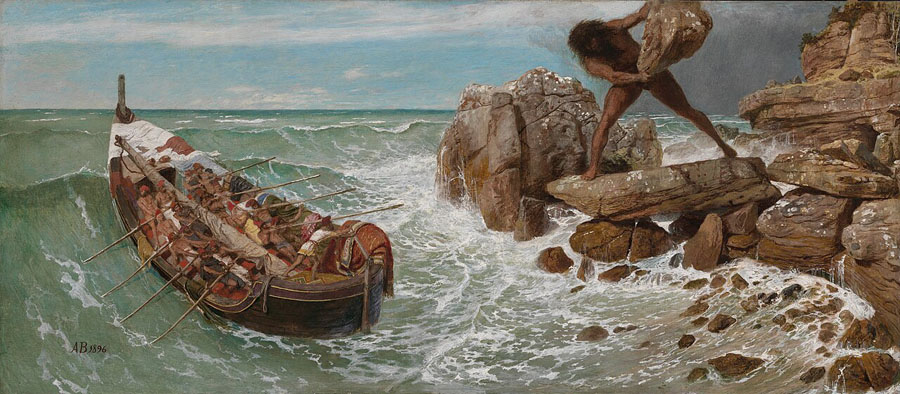
The monsters fare no better. The Sirens are reduced to an off-screen song. Giant warrior figures look awkward and poorly integrated. The Hydra sequence feels rushed, and Circe’s transformation of men into pigs registers as ugly rather than mythically charged. The cyclopes, Polyphemus, appeared weird and borderline ugly.
The verdict:
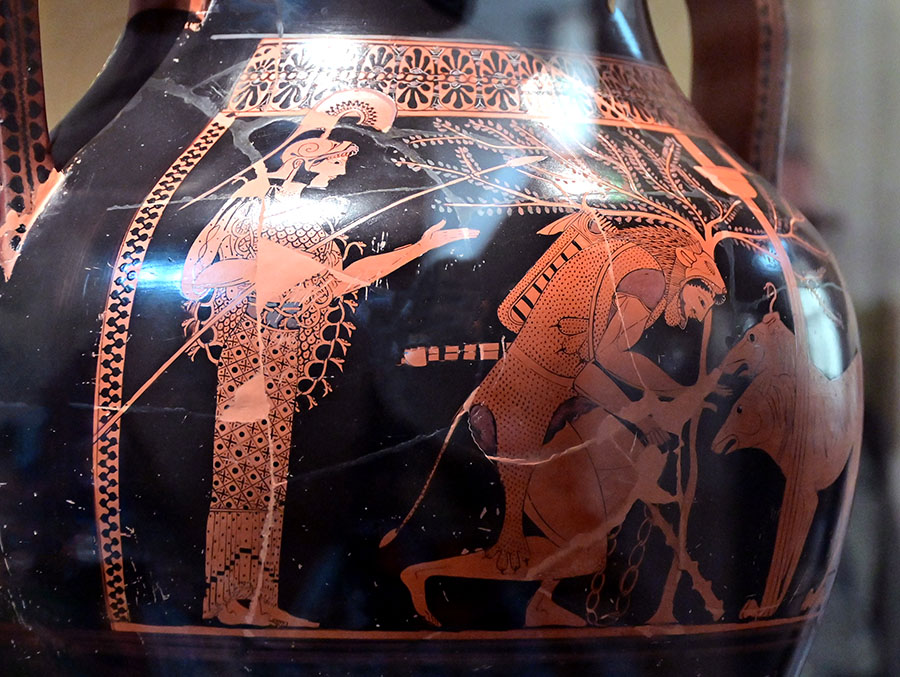
Matt Damon and Anne Hathaway deliver the film’s strongest performances. Yet The Odyssey ultimately suffers from the absence of a genuine hero’s transformation and from casting that shows little regard for the visual and cultural texture of ancient Greek mythology.
Art requires a delicate, subtle balance—an unseen but felt beauty that can persist even amid horror. Nolan’s film contains flashes of innovation in sound design, selective performances, and narrative focus. Those moments, however, remain intermittent. In the absence of divine beauty, heroism, and coherence, the result is a persistent dissonance among characters, monsters, and the long journey home.
To continue Reading: