Are art contests a massive disappointment, or the best way to get noticed for artists? Let’s talk about it. Have you ever entered an art contest paying a fee? I have. Many times. Just like almost every artist out there I has felt burned by entry fees, weird judging criteria, or “exposure” promises—while I’m aware of other artists who have launched their careers through a big win in established art contest. Personally, in over 25 years of participation in art contests, a few wins and numerous consistent failures, I found no promised art collector, fame, or art sales.
I’m going to show you how art magazines, galleries, and some museums profit from these art contests handsomely, ripping off artists legally, artists – who are trying to make it in the art world.
Discover the hidden math behind art competitions. Explore real financial breakdowns, acceptance odds, and where artist entry fees actually go across major art magazines and galleries.

How art magazines make money on art contest entry fees
Major art publications generate mind-blowing revenue through juried art competitions. While some of these contests offer exposure and cash prizes to winners, the math behind entry fees shows that competitions serve as primary profit centers for media publishers, not the artists. Let me explain.
Below is a breakdown of major art magazines hosting regular monthly or recurring competitions, their fee structures, estimated entry volumes, and financial estimates. (This table is compiled by Gemini. It might have mistakes, although I hope it doesn’t).
Possible Financial Math & Revenue of Art Magazines with Art Competitions and Art Contest Entry Fees
While the total number of entries varies and affects the total revenue received monthly, you can still see the math and how profitable the online art contests are for the magazines, not the artists.
| Magazine / Publisher | Competition & Frequency | Entry Fee Structure | Est. Monthly Revenue | Estimated Annual Entries | Estimated Annual Gross Revenues | Prize Payout |
|---|---|---|---|---|---|---|
| PleinAir Magazine (Streamline Publishing) | PleinAir Salon (12 Monthly Cycles + Annual Final) 19 categories, monthly winners advance to the Annual Grand Prize Competition | $29–$40 1st entry $12–$16 additional | Assuming a modest average of 1,500 entries per month across all 19 categories at an average fee of $32 per submission. Monthly Revenue: $1,500 X $32 = $48,000/month. | 15,000 – 25,000 entries (~1,200–2,000/mo across 19 categories) | $450,000 – $800,000+ Annual Est: $48,000 X 12 = $576,000/year. | They award around $30,000–$50,000 in total cash prizes annually. The publisher retains about 90% of contest fee revenues after prize payouts and judging expenses. |
| Artists Magazine (Golden Peak Media / Artists Network) | Annual Art Competition & Continuous Monthly Theme Calls | $25–$40 per entry (Members get a $10 discount per submission). | Modest estimate of 1,000 submissions X $35=$35,000 in monthly revenue | Annual, global art contests typically generate 4,000 to 6,000 entries. 5,000 – 8,000 entries $5,000 X $35 average fee = $175,000 for a single art competition. | $175,000 – $280,000 | 1st place in major categories receives $1,000–$2,500 cash plus publication features. The prize purse represents roughly 10–15% of gross fee collections. |
| International Artist Magazine | Bi-Monthly Magazine Contests (6 per year) | $18–$26 per entry | Receiving roughly 1,200 submissions per bi-monthly issue. $1,200 X $22 avg fee = $26,400 per issue. | 6,000 – 10,000 entries (~1,000–1,500 per issue) | $120,000 – $220,000 Est. $26,400 per issue X 6 issues = $158,400/year. | |
| Pastel Journal (Golden Peak Media) | Pastel 100 (Annual competition in 5 categories) | $25–$40 per entry | 2,000 – 3,500 entries | $70,000 – $120,000 | ||
| Aesthetica Magazine | Aesthetica Art Prize (Annual international open call) | £25–£35 ($32–$45) | 4,000 – 6,000 entries | $130,000 – $210,000 |
Conclusion: For major magazines, contest entry fees act as a high-margin revenue engine that offsets declining print subscription and newsstand sales. While winning or placing in these contests grants genuine prestige and magazine feature placement, the statistical win rate for top prizes is often under 1% to 3% relative to the total submission pool.
How Art Museums & Galleries Make Money in Art Competitions with Art Contest Entry Fees
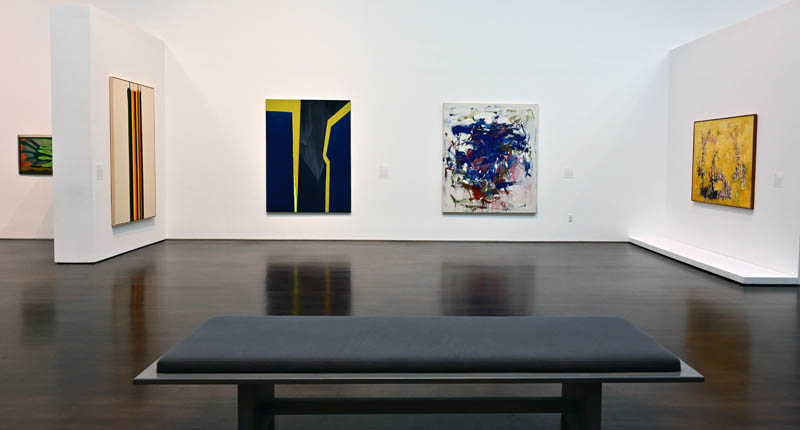
Both art museums (non-profits/regional cultural institutions) and commercial galleries host open calls and charge submission fees. However, their underlying financial models and the “return on investment” (ROI) in exposure for the artist are radically different.
Here is the financial breakdown, the math, and the stark contrast between museum juried calls versus gallery entry-fee shows.
1. The Math of Museum Open Calls (Non-Profit / Regional)
Museums (often municipal, university, or regional non-profit art centers) host open calls—such as Regional Juried Biennials or Statewide Juried Exhibitions.
The Business Model
- Purpose: To engage local communities, fulfill non-profit mission grants, and offset curatorial and installation costs.
- Entry Fees: Typically $25 to $35 for 1 to 3 submissions.
- Volume: Regional museum biennials draw heavily from surrounding states, bringing in 500 to 1,500 artists per call.
The Math:
- Submissions: 1,000 artists X $35 average fee = $35,000 gross revenue.
- Expenses:
- Juror stipend (guest curator/critic): ~$1,500 – $2,500
- Printing prospectus, vinyl text, catalog: ~$3,000
- Opening night reception & prize purse ($1k–$3k): ~$4,000
- Insurance & handling: ~$2,500
- Net Proceeds: ~$23,000.
Where the money goes: Museums reinvest these funds into their operational budget, education programs, and gallery maintenance. They rarely view open calls as major cash cows, but rather as self-funding community programming.
2. The Math of “Pay-to-Play” Commercial & Rental Galleries
Commercial galleries running open calls fall into two categories: Juried Exhibition Galleries and Vanity/Rental Galleries (galleries that rent wall space to artists under the guise of a “contest”).
The Business Model
- Purpose: Primary profit generation. Because these galleries often lack an established collector base to sell high-end art consistently, entry fees pay the lease and payroll.
- Entry Fees: $35-60+ per entry, often charging an extra $10–$15 per additional image.
- Volume: Aggressive digital marketing on social media drives nationwide or international open calls, yielding 2,000 to 5,000+ submissions.
The Math:
- Submissions: 3,000 artists X $40 average fee = $120,000 gross revenue.
- Expenses:
- Website software platform (e.g., CaFÉ or EntryThingy listing): ~$500
- Staff time/In-house juror: ~$1,000
- Awards/Prize Purse: $1,000 total (or sometimes just a “solo exhibition” in their own space)
- Wine/Light snacks for opening: ~$300
- Net Profit: ~$117,200 (over 95% profit margin).
3. Museum vs. Gallery: The Exposure & ROI Comparison
While galleries often pocket far more money from artists than museums do, the quality and impact of the exposure differ dramatically:
| Metric / Value | Museum Juried Exhibition | Commercial “Pay-to-Play” Gallery |
| Foot Traffic Quality | High Prestige / Institutional: Attended by museum members, art critics, press, university professors, and serious regional patrons. | Mixed / Commercial: Mostly attended by local friends/family of the other accepted artists and casual passersby not interested in art purchase. |
| Resume Value | Permanent Resume Booster: A exhibition at a recognized museum carries lifelong institutional weight on an artist’s CV. | Low / Neutral: Listing a commercial gallery’s open call on a CV rarely impresses curators or commercial art dealers. |
| Collector Access & Sales | Lower Immediate Sales, Higher Long-term Value: Museums rarely focus on selling art off the wall (and if they do, commission is usually low, ~20–30%). However, placement can attract private donors or gallery directors looking to represent you. | High Commission Risk: Galleries often charge 50% sales commission on top of the entry fee you already paid to get in. |
| Acceptance Rates | Highly Selective: Acceptance rates typically hover around 3% to 10%. | Higher Acceptance (Crowded Walls): To maximize “participation fees” or framed submissions, galleries often accept 50–100+ artists, squeezing artwork salon-style onto crowded walls. |
The Verdict for Artists:
When a Museum Fee is Worth It: If the fee is under $40, judged by a recognized curator, and grants you an institutional line item on your CV, it is generally considered a legitimate investment in your career credentials.
When a Gallery Fee is a Red Flag: If a gallery charges $40+ to enter, takes a 50% commission if you sell, requires you to pay for shipping both ways, and offers no named guest juror, they are using artist application fees to fund their retail overhead.
The Math of Top Art Contests
Major international art competitions, prestigious clubs, and contemporary arts magazines generate mind-blowing financial returns through entry fees.
Because many of these competitions publish total entry numbers alongside their prize announcements, we can calculate their gross earnings and examine how those funds are distributed.
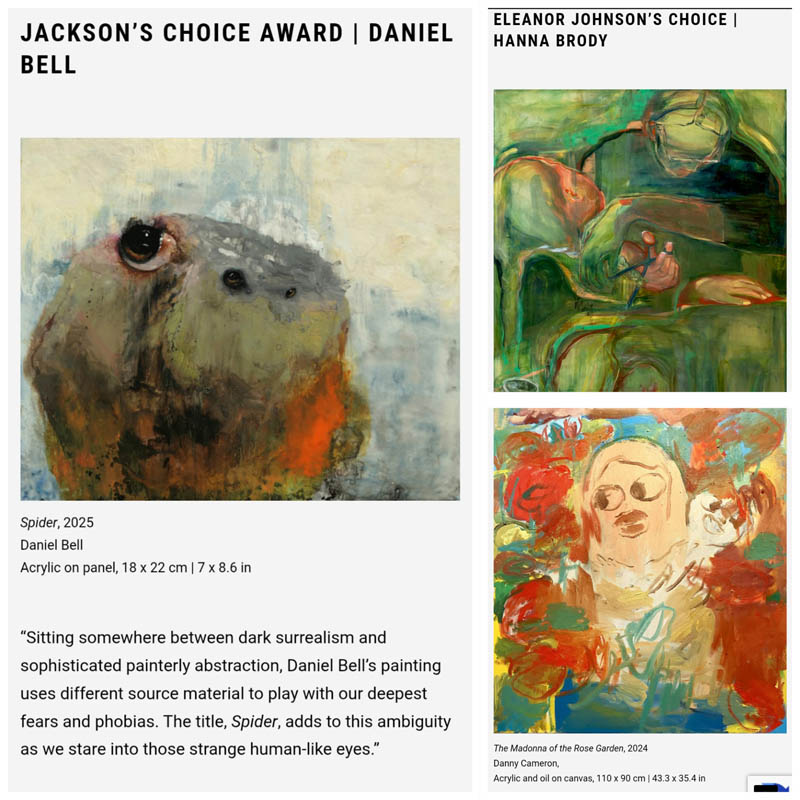
Jackson’s Art Prize (Jackson’s Art Supplies)
- Entry Fee: ~$18 – $20 USD (£14) per artwork.
- Total Entries: 16,280 entries in 2026.
- Gross Revenues Collected: $16,280 X $19 = $309,000 (estimated in dollars).
- Prize Purse & Expenses: Total prize pool is about £15,000–£20,000 (~$25,000) cash plus materials.
- Where the Money Goes: Jackson’s uses this as a massive marketing and customer acquisition campaign. After paying out $25,000 in cash/materials and covering juror honorariums/event costs (~$20,000), the remaining net revenues (~$260,000) subsidize Jackson’s marketing department, building a massive international artist email list and driving web traffic to their supply store.
- I participated in this art contest in 2026 and the winning entries left me heartbroken. The jurors were either blind or mediocre to pick such art. https://www.jacksonsart.com/blog/2026/03/23/prize-winners-of-jacksons-art-prize-2026/
Beautiful Bizarre Art Prize (Beautiful Bizarre Magazine)
- Entry Fee: $40 USD per entry.
- Estimated Annual Entries: ~3,500 – 5,000+ entries across Painting, Sculpture, Digital, Photography, and AI-free categories.
- Gross Revenues Collected: $4,000 X $40 = $160,000+.
- Prize Purse & Expenses: Offers ~$50,000+ in total cash, product prizes, and article features.
- Where the Money Goes: Beautiful Bizarre is an independent boutique print magazine. The contest revenue directly funds the high printing costs of their physical quarterly magazine, gallery exhibition venue rentals for the winners’ showcase, web server infrastructure, and editorial staff salaries. So the revenue covers the costs, cash prize, and makes it profitable for the magazine.
- It’s done at participating artists’ expense.
- I participated in this one and won nothing.
The Almenara Art Prize (The Almenara Collection, Spain)
- Entry Fee: €49 (~$53) 1st entry / €30 (~$32) additional.
- Estimated Annual Entries: ~2,000 – 3,500 entries globally.
- Gross Revenues Collected: $2,500 X $45 = $112,500.
- Prize Purse & Expenses: Offers $27,000+ in cash awards plus material vouchers.
- Where the Money Goes: The Almenara Collection explicitly outlines in their terms that fees pay for administrative overhead, venue rental for the physical awards exhibition in Cordoba, Spain, and social media ad placement. It also finances their private collection acquisitions.
- Problem is, it’s done at participating artists’ expense, not sponsors covering the costs.
- I didn’t participate in this art contest. Besides paying the contest fee, international shipping of art is a nightmare these days and it’s never cheap unless art is very small.
Salmagundi Club Open Exhibitions (NYC Historical Art Club)
- Entry Fee: $65 non-members (1 artwork) / $45–$50 members. Plus a 25%–40% sales commission on sold work.
- Total Submissions: ~800 to 1,500 submissions per major open call.
- Gross Revenues Collected: 1,000 submissions X $60 average fee = $60,000 revenue per major call
- Where the Money Goes: Unlike corporate or magazine-run contests, the Salmagundi Club is a 501(c)(3) non-profit facility housed in a historic 1850s brownstone in Greenwich Village, Manhattan. Entry fees directly maintain the historic building’s restoration, pay for gallery staff, fund art conservation, and cover opening reception catering/bar costs.
- Problem is, it’s done at participating artists’ expense, not sponsors or donors. So what’s the real difference between a commercial magazine, gallery and non-profit when artists pay the same and even bigger art contest fees?
- I didn’t participate in this one. Shipping art back and forth is another $250-300 in costs for artists.
WMOCA (World Museum of Contemporary Art / Regional Museum Calls)
- Entry Fee: $35–$50 per entry.
- Estimated Annual Entries: ~800 – 1,200 submissions per open call.
- Gross Revenues Collected: $1,000 submissions X $40 = $40,000.
- Where the Money Goes: As a non-profit museum entity, funds pay guest curators/jurors, cover shipping/insurance for accepted works, print exhibition catalogs, and fund year-round community art outreach programs.
- Problem is, it’s done at participating artists’ expense, not sponsors or donors. So what’s the real difference between a commercial magazine, gallery and non-profit when artists pay the same and even bigger art contest fees?
- I participated in this art contest once right after Covid. I paid $50 fee + $250 in shipping costs for a large painting. It was difficult to retrieve the painting back and when it was finally returned, I noticed that it wasn’t even opened for the show. The show was on paper I guess, but not in reality. There were no pictures posted on social media. While it’s been several years since that show, I won’t be giving my money to such organization in the future.
The Dark Math of Artist Win Rate

By now you have a pretty good idea about the financial reasons behind creation of art contests for art magazines, galleries, and organizations. Now let’s look at the win rate and how fortunate you can be as an artist.
When evaluating art contests, the odds of placing or winning the top prize are often lower than get-in rates at Ivy League universities. Using published entry statistics from several top competitions, here is a breakdown of the win rates, finalist rates, and the statistical reality facing an artist. These are approximate numbers that could be more or less depending on the number of entries received.
| Competition | Total Entries | Finalist Pool | Total Award Winners | Finalist Rate (%) | Top Win Rate (%) |
| Jackson’s Art Prize | 16,280 entries | 71 (Shortlist) | 31 award winners | 0.43% | 0.19% (1 in 525) |
| Almenara Art Prize | ~3,810 entries | ~150–200 finalists | ~35 award/category winners | ~3.9% – 5.2% | 0.91% (1 in 108) |
| Beautiful Bizarre Art Prize | ~4,000 entries | 200 finalists | 22 total winners | 5.00% | 0.55% (1 in 181) |
| Salmagundi Club (NYC) | ~1,000 entries | ~150 accepted to wall | ~10 award winners | 15.00% | 1.00% (1 in 100) |
| The Bennett Art Prize Fee: $50 | 650–900 artists per cycle (submissions include 3–5 works each) | 10 finalists ~1.1% – 1.5% | Grand prize win rate: ~0.11% – 0.15% (1 winner out of ~700–900) | ||
| Colored Pencil Society of America $45 for CPSA members / $65 for non-members Est. money raised in fees:~$35,000 – $45,000 | Average entries:~700–900 entries from around the world | ~110–125 artworks (1/per artist) | ~15–20 cash/product award winners | ~12% – 16% | Cash award:~1.8% – 2.5% ~$20,000+ in cash awards ($5,000 CIPPY Best of Show) |
| Art Renewal Center (ARC) Salon Fee: $93 for 1st entry; $73 per additional entry; Est. money raised in fees: 350K-450K per salon, while | ~3,500–5,400 entries (from ~1,300–2,000 artists globally) | ~1,200–1,500 works (~28%–35% of total entries) | ~180–220 total awards | ~28% – 35% cash award win rate: ~3.5% – 5.0% (Percentage of entries winning cash or honorable mention) | ~0.02% – 0.03% (1 Best in Show) given ~$130,000+ in direct cash awards |
| Portrait Society of America – International Portrait Competition Fee: $55 (3 entries per artist) Est. money raised in fees: ~$165,000 – $220,000 per year | ~3,000+ submissions annually | 20 Finalists invited to the annual conference | ~50–100 total (Select awards, placement, and merit certificates) | ~0.66% (20 finalists out of 3,000 entries) | ~0.03% (1 Grand Prize out of 3,000 entries) Cash prize pool:~$170,000 in cash and prizes ($50,000 Grand Prize) |
Statistical Takeaway for Artists:
- Winning cash is ultra-rare (< 1%): In almost every major international or magazine competition, your odds of winning a cash award or grand prize hover between 0.1% and 1%.
- Finalist lists are the real “Exposure”: Most competitions select a “Finalist / Shortlist” tier that accounts for 0.5% to 5% of entries. This is usually where the promotion happens (social media shares, digital catalog features). This promotion might be short-lived.
- The Multiple Entry Effect: Because many artists enter 2 to 4 pieces per contest to increase their chances, the ratio of winning artists relative to unique entrants drops even further.
Where Does the Money Actually Go? (4 Core Destination Types)
- The Prize Purse (10% – 30%): The headline cash awards (e.g., “$10,000 Grand Prize”) usually account for a fraction of the total money collected from thousands of applicants.
- Operations & Exhibition Costs (20% – 30%): Renting brick-and-mortar gallery space in cities like NYC, London, or Sydney, hiring guest jurors, artwork insurance, and catalog printing.
- Targeted Advertising (15% – 25%): A huge portion of fee money is immediately reinvested into Meta/Instagram/TikTok ads to target artists and bring in submissions for the next cycle.
- Publisher Margin / Non-Profit Overhead (20% – 50%):
- For Art Supply Brands: It pays for customer lead generation.
- For Magazines: It covers magazine printing and staff salaries.
- For Non-Profit Clubs/Museums: It maintains historic physical facilities and funds non-profit educational programming.
So instead of supporting the artists, these companies actually do something totally different. They support their operations.
Why do art magazines, galleries and organizations charge fees from artists rather than finding sponsors to pay for contests?
It comes down to a mix of corporate marketing economics, predictable revenue, and the high hidden costs of running an event. The fundamental reason most competitions charge entry fees rather than relying on corporate sponsors comes down to five factors:
1. The Sponsor’s ROI Dilemma (Why Brands Say No)
Corporate sponsors evaluate every dollar they spend through the lens of Return on Investment (ROI).
- If an art supply brand or tech company gives an organizer $50,000 in cash to sponsor a contest, they expect massive brand exposure.
- However, art contest audiences are relatively small and niche—mostly consisting of the artists participating.
- For that same $50,000, the brand could run targeted social media ad campaigns, sponsor major YouTube creators, or buy print ads that reach millions of consumers.
What sponsors actually give: Most brands prefer to give in-kind product donations (e.g., $500 worth of paint, gift cards, or software licenses) rather than hard cash to cover operational bills and cash prizes.
2. Crowdfunded Micro-Transactions vs. Sales Pitches
Relying on corporate sponsorships is risky, time-consuming, and volatile. Organizers have to pitch corporate marketing teams, negotiate contracts, and risk losing funding whenever a company cuts its quarterly marketing budget.
Charging artists is a guaranteed financial engine: $2,000 Artists X $35 Entry Fee = $70,000 Guaranteed Revenue
Instead of convincing one brand to give them $70,000, the organizer only has to convince 2,000 individuals to spend $35. It transforms the contest into a self-funding, crowdfunded model where participants fund both the prize money and the organizer’s profit margin.
3. High Operational Overhead Beyond the Prize Money
Artists often assume entry fees only pay for the grand prize. In reality, running an art competition involves substantial behind-the-scenes expenses:
- Juror Fees: Hiring recognized museum curators, gallery directors, or established artists to review thousands of entries ($1,000–$5,000+ in honorariums). Most contests don’t pay the jurors, however.
- Venue & Exhibition Logistics: Renting physical gallery space in high-traffic cities, event insurance, catalog printing, and opening reception catering.
- Software Platforms: Licensing digital submission software (like CaFÉ or Submittable) and web hosting.
- Recruitment Ads: Organizers often spend $10,000 to $20,000+ on Instagram and Meta ads just to target artists and drive entry submissions.
Sponsors rarely want to pay for administrative line items like software licenses or insurance; they only want their logo on the trophy.
4. The “Skin in the Game” & Filter Fallacy
Organizers frequently justify entry fees by claiming they act as a spam filter.
Without an entry fee, a free contest can easily receive 50,000+ submissions, including unfinished sketches, spam, and mass-generated AI images. Processing that volume of entries requires immense labor. A $20–$35 barrier forces artists to self-select and only submit their highest-quality work.
This model disproportionately penalizes low-income artists and treats entry fees as a barrier to entry rather than a true measure of artistic commitment. Instead of charging fees, artist selection could be based on certain criteria instead.
5. Creative Control & Brand Interference
When a corporate sponsor pays for 100% of a contest, they usually demand editorial control that may include artwork to fit a specific “family-friendly” or corporate theme; rights to use the submitted artwork in their own commercial advertising.

The biggest art contract red flags to look for in art contest terms and conditions
The most common red flags to watch for in art contest agreements fall into six major categories:
1. The “Rights Grab” (All Entrants vs. Winners)
- What to look for: Phrases like “By submitting, entrant assigns all rights, title, and copyright in the entry to the Sponsor”.
- Why it’s a red flag: Submitting work to a contest should never strip you of your copyright. Legitimate contests only request a non-exclusive, limited license to display or promote the submitted work in relation to the contest.
- The Trap: Pay close attention to whether this clause applies to all participants or only the grand prize winner. If everyone who submits loses their rights—even if they don’t win—it’s a scam designed to harvest free stock imagery and intellectual property.
2. “Commercial Rights / Royalty-Free Sublicensing”
- What to look for: Language that grants the organizer a “perpetual, irrevocable, royalty-free, worldwide license to reproduce, modify, sell, or create derivative works for any commercial purpose.”
- Why it’s a red flag: While a contest might let you technically keep your name on the copyright, this clause gives them total freedom to print your artwork on merchandise, sell t-shirts, or use it in paid advertising without paying you a single cent in royalties.
3. Exorbitant Entry Fees vs. Minimal Cash Prizes and Awards
- What to look for: Entry fees exceeding $40–$50 per submission when the total prize pool is small, non-existent, or consists purely of “exposure” or “merchandise gift cards”.
- Why it’s a red flag: Legitimate gallery calls or corporate contests use entry fees solely to cover administrative costs or jury honorariums. If a contest charges $50 per entry, gets 1,000 entries ($50,000), and offers a $500 grand prize, the contest is functioning as a profit center for the organizers rather than an art opportunity.
4. “Public Vote” / “Most Likes” Judging Criteria
- What to look for: Rules stating that winners are selected based on the number of likes, shares, or votes on a public web page or social media post.
- Why it’s a red flag: Popularity contests favor participants who use click farms, automated bots, or massive existing social followings rather than artistic quality. Organizers use this tactic to force artists to spam their friends and family, driving free website traffic and promotional labor straight to the brand.
5. Vague or Anonymous Jury Information
- What to look for: Phrases like “Judged by a panel of industry experts” without listing specific names, titles, or backgrounds.
- Why it’s a red flag: Reputable competitions proudly state who is on their jury panel (e.g., specific museum curators, established artists, gallery owners). Anonymous judging panels often indicate that lower-level marketing staff or social media managers are picking winners based on what best fits an advertising campaign, rather than artistic merit.
6. Broad Indemnification & “Waiver of Moral Rights”
- What to look for: Clauses requiring you to “waive all moral rights” or hold the sponsor completely harmless if third parties misappropriate or modify your artwork.
- Why it’s a red flag: Waiving moral rights means the sponsor can alter, edit, or crop your work in ways that distort your artistic intent, without giving you credit. While standard indemnification protects them against plagiarized submissions, overly broad waivers strip you of any recourse if your work is mistreated.
Summary Checklist Before Hitting “Submit”
| Clause Type | Safe Standard | Red Flag |
| Copyright Ownership | You retain full copyright. | You transfer or assign copyright upon submission. |
| Usage License | Limited, non-exclusive, used only to promote the competition. | Perpetual, commercial, royalty-free, sublicensable to third parties. |
| Entry Fee | Free to ~$35 for juried exhibitions. | High fee ($50+) with low payout or “exposure” prize. |
| Judging | Named curators, gallery directors, or peer artists. | Anonymous panel or social media “like” counts. |

Is it worth entering art contests?

So, the biggest question for artists if it’s worth entering such art contests, playing the roulette for a vast majority of creatives.
Given the ultra-low win rates (under 1% for top cash prizes) and the high profit margins for organizers, blindly entering art contests as a primary strategy to make money or get famous is NOT worth it.
However, selectively entering specific types of contests for targeted career goals can be worth it—if you treat the entry fee as a strategic art marketing expense rather than a lottery ticket.
Here is a simple framework to help you decide when a contest is a smart move versus a complete waste of money.
When it’s Worth it:
1. You Need Resume Credentials (CV Building)
- You are an emerging artist looking to approach commercial galleries, apply for grants, or apply for an MFA program.
- Having institutional names on your artist CV under “Exhibitions & Awards” signals to gallery directors and curators that your work has been vetted by industry professionals.
- Try participating in non-profit museum calls, historic art clubs, free-entry art galleries, and regional biennials or museum exhibits. Consider on-line, free submission contests like a ‘poster artist’ call or journals’ art calls.
2. You’re Targeted at a Specific Niche Magazine or Audience
- You specialize in a specific art style (e.g., figurative realism, pastel, plein air, etc) and enter a hyper-focused contest.
- Even if you don’t win 1st place, making the shortlist or honorable mentions puts your art directly in front of an audience of collectors and gallery owners who already love your exact niche. This requires looking at juror’s names, past winners, and self-reflection if your art is at par with the winners.
When It Is NOT Worth It:
- ❌ When you need income: If your goal is to pay rent or turn a quick profit, entering contests is a statistical losing game. You are almost always better off spending that $35 on your art supplies, gas, business lunch or other direct outreach to potential buyers.
- ❌ Online-Only “Exposure” Contests: If a contest charges $40, has no physical gallery exhibition, has no named curators, and only posts the winners to an Instagram account, it is a cash-grab.
- ❌ Popular-Vote Contests: Contests where the winner is decided by “who gets the most likes/votes on a web page” are designed to use you for free marketing and spam.
- ❌ Art Shows as Contests: Where you pay contest fees and shipping charges to hang in an empty gallery at best.
Instead of applying to every open call you see on social media, think of your annual competition budget.
Never enter a contest expecting to win cash. Enter only if making the accepted list/finalist pool gives you a concrete CV line item, gallery foot traffic, or editorial exposure that is worth the cost of the entry fee.
- Apply to national shows and competitions with no to minimum fees or shipping costs.
- Local art museums or galleries have no fee calls for artists including art museums poster competitions. (I participated and won in two different poster competitions. Be on their mail list, to receive calls for artists.)
- Focus on state or regional museum open calls. Acceptance rates are higher (10–20%), you can attend the opening in person to network, and local press coverage is far easier to get.
- Focus on contests specific to your medium or style where the jury panel consists of artists or curators you respect.
- Don’t spend your money on top competitions with a win rate of less than 1% unless you see your art super relevant to that competition.
Consider Shipping Costs Entering Art Competitions
When an art contest or juried exhibition requires physical artwork on-site, the entry fee is often just a fraction of the total expense. Shipping fragile, high-value artwork back and forth—along with packaging and insurance—can easily cost 3x to 10x the original application fee. Personally, I wasted hundreds of dollars in shipping costs, lost art, received broken frames, and experienced emotional roller-coaster of useless commotion.
Below you’ll find a shipping cost estimate. You can cut on some of the cost by not paying for insurance or shipping small art and using discounted rates via specific shippers.
1. Cost Breakdown by Category
A. Packaging & Crating
Sending artwork in standard single-wall Amazon boxes or with styrofoam peanuts is a quick way to get your work damaged (or rejected by gallery handlers). Galleries usually require reusable containers.
- Heavy-Duty Art Boxes (e.g., MasterPak / Airfloat):$60 – $180
- Specially designed double-walled boxes with layered foam inserts designed to be opened and repacked by gallery staff for return shipping.
- Custom Wooden Crates (3D Works or Large Canvas):$150 – $500+
- Required by many museums and galleries for sculptures or works over 36″ $\times$ 36″. Professional crating services charge significantly more ($300–$800).
- DIY Packaging Supplies:$20 – $50
- Glass-print protective film (Glassension tape so broken glass doesn’t ruin the canvas), bubble wrap, corner protectors, and heavy tape.
B. Two-Way Carrier Shipping (Outbound + Pre-Paid Return)
Almost all juried contests require the artist to pay for shipping in both directions (outbound and prepaid return shipping labels).
- Small 2D Work (Under 18″ $\times$ 24″, under 10 lbs): $40 – $90 round-trip (USPS / UPS Ground)
- Medium Framed 2D Work (24″ $\times$ 36″, ~15–25 lbs): $120 – $250 round-trip (FedEx / UPS Ground)
- Large 2D Work / Crated Sculpture (36″+ or 30+ lbs): $300 – $700+ round-trip (Ground Freight)
- International Shipping & Customs Processing: $350 – $1,000+ round-trip (Includes customs brokerage fees and potential duties)
C. Transit Insurance
Standard carrier coverage (like UPS or FedEx) usually maxes out at $100 and often excludes fine art unless you pay extra declared-value fees.
- Carrier Declared Value / Third-Party Transit Insurance: Typically $1.00 – $2.00 per $100 of declared value.
- Example: Insuring a $2,000 painting for round-trip travel adds $40 – $80 to your shipping bill.
D. Gallery Handling / Storage Fees (Occasional)
Some venues—especially vanity galleries or commercial pop-ups—charge an extra $15 – $100 “handling fee” per crate to cover receiving, uncrating, and storing the packaging during the show.
2. Cost Scenarios
| Scenario | Medium / Dimensions | Packaging | Shipping (Round-Trip) | Insurance | Estimated Additional Cost |
| Small Local/Regional Show | 12″ $\times$ 16″ Unframed Print | Heavy box ($25) | $45 (USPS Priority) | $15 | ~$85 |
| National Juried Exhibition | 24″ $\times$ 36″ Framed Canvas | Reusable Art Box ($120) | $180 (UPS Ground) | $40 | ~$340 |
| Sculpture / Large Museum Show | 30″ $\times$ 30″ $\times$ 36″ Crated 3D | Custom Crate ($250) | $450 (Freight) | $100 | ~$800 |
3. The Hidden Traps That Drive Costs Up
⚠️ Dimensional Weight Pricing: Couriers don’t just charge by actual weight; they charge by box volume (Length $\times$ Width $\times$ Height / 139). A lightweight 30″ $\times$ 40″ canvas weighs 8 lbs, but couriers will bill it as a 45 lb package because of its size.
- Unwanted Plexiglass Conversions: Many galleries strictly ban glass on framed art over 16″ x 20″ due to breakage risk. Swapping glass out for archival acrylic (Plexiglass) before shipping adds $30 – $100 per frame.
- Return Shipping Expiration: If you buy a prepaid return label via UPS or FedEx, ensure the contest date doesn’t exceed the label’s valid period (some labels expire after 30 to 90 days), or you may have to buy a second label.
Summary Checklist Before Entering:
Entry Fee ($35) + Packaging ($80) + Round-Trip Shipping ($180) + Insurance ($40) = $335 Total Cost
Unless the prize money, gallery sales potential, or CV prestige outweighs that ~$330 expense, entering physical shows far from home can quickly drain an artist’s budget.
Conclusion:
While artists scramble to pay for art supplies, studio space, shipping costs, marketing, tuition, and so on, these companies sell you ‘Exposure’ narrative, laughing at you all the way to the bank. I’m not in the position to ask you not to pay the art contest fees, I paid hundreds of dollars in fees. But at least consider the outcomes of possible exposure and statistics of winning for yourself as a creative. Many art contests have no clear judging criteria, juror, or reputable gallery exhibition leading to art sales. There is a chance of winning in this game, but it’s low and involves either luck or knowing the juror’s taste so well that you can enter the artwork fitting his taste, theme or venue. (You can look up my past shows and wins to see what art contests I won.)