Auction premiums cost celebrity art collectors more in 2026
Major auction houses like Sotheby’s, Christie’s, and Phillips adjusted their fee structures, driving total costs higher for high-net-worth buyers bidding on valuable artwork.
When you follow high-stakes art sales, the final number called out by the auctioneer is only part of the full price tag. The added buyer’s premium charge places a heavy extra cost on top of every winning bid.
High-profile buyers often hire research consultants, just as art students use online writing and research services like DoMyEssay when analyzing complex market reports, but calculating auction fees requires looking straight at current house terms. Understanding these structural changes reveals why buying masterpiece art has quietly become far more expensive.
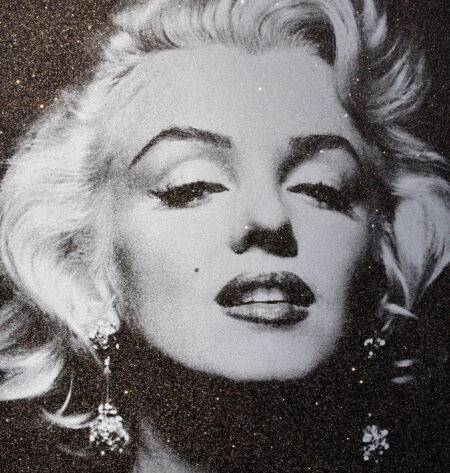
How tiered buyer’s premiums hit multi-million dollar purchases
Tiered buyer’s premiums calculate extra fees by applying different percentage rates to specific slices of a lot’s hammer price.
Auction houses use a sliding scale where lower price brackets carry higher percentage fees, while upper price brackets shift into lower percentage rates. Because these fee tiers stack on top of each other, buying a multi-million-dollar painting means paying high-tier percentages on the initial millions before reaching the discounted top rates.
When major auction houses adjust these threshold lines or percentage points, total transaction expenses rise immediately across all price tiers. For prominent buyers building high-value portfolios, these fee changes mean hundreds of thousands of dollars in extra costs per transaction.
2026 buyer premium tier breakdown at top global auction houses:
| Auction House | Low-Tier Threshold & Rate | Mid-Tier Threshold & Rate | High-Tier Threshold & Rate |
| Sotheby’s | Up to $1,000,000 at 27% | $1,000,001 to $8,000,000 at 22% | Above $8,000,000 at 15% |
| Christie’s | Up to $1,500,000 at 27% | $1,500,001 to $8,000,000 at 22% | Above $8,000,000 at 15% |
| Phillips | Up to $2,000,000 at 29% | $2,000,001 to $8,000,000 at 22% | Above $8,000,000 at 15% |
Sotheby’s Cost Comparison table:
| Hammer Price | Low-Tier Fee (27% on 1st $1M) | Mid-Tier Fee (22% from $1M–$8M) | High-Tier Fee (15% above $8M) | Total Buyer Premium | Total Invoice (Pre-Tax) |
| $2,000,000 | $270,000 | $220,000 | $0 | $490,000 | $2,490,000 |
| $5,000,000 | $270,000 | $880,000 | $0 | $1,150,000 | $6,150,000 |
| $10,000,000 | $270,000 | $1,540,000 | $300,000 | $2,110,000 | $12,110,000 |
Understanding how a final bill comes together helps explain why celebrity art collectors must budget well beyond the hammer price.
- Calculate the low-tier segment: The auction house applies its highest percentage rate to the initial price threshold.
- Calculate the mid-tier portion: The portion of the hammer price falling between the low threshold and the middle tier cap is taxed at a secondary rate.
- Calculate the high-tier remainder: Any remaining hammer price amount above the top threshold incurs the lowest percentage rate.
- Sum the tiers and local taxes: The individual tier results are added together alongside regional sales tax or import duties to produce the final invoice total.
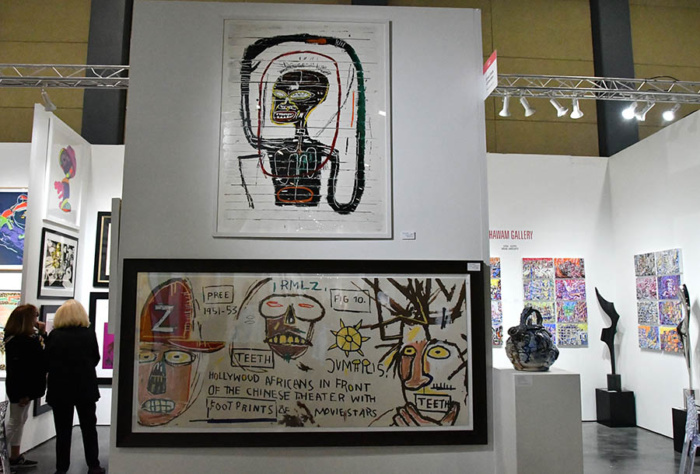
Why high-profile buyers are rethinking public bidding
Surging auction house fees are pushing elite buyers toward private sales channels where commission rates and final transaction details stay completely discreet.
Public auctions subject high-profile buyers to stiff premiums and intense public attention. When notable figures bid publicly, competing buyers often drive up hammer prices simply due to the excitement of competing against a celebrity.
Just as busy professionals and students rely on writing services like EssayService to manage demanding writing workloads, elite art buyers hire private art advisors to discreetly handle acquisitions off the auction floor. Private negotiations allow buyers to negotiate flat seller fees and avoid steep public buyer premiums.
Furthermore, collectors interested in acquiring authentic celebrity artwork often discover that private gallery sales offer far cleaner financial terms than public evening auctions. Acquiring original artwork by celebrities through direct gallery deals eliminates the unpredictable bidding wars that drag public buyer premiums into the multi-million-dollar range.
Public auction bidding vs. private gallery acquisitions
| Acquisition Metric | Public Evening Auctions | Private Sales & Gallery Deals |
| Buyer Premium Overhead | 15% to 29% based on price tiers | 0% buyer premium (flat negotiated commission) |
| Price Confidentiality | Publicly recorded hammer prices | Strict non-disclosure agreements |
| Bidding Dynamics | Competitive live room atmosphere | One-on-one direct negotiation |
| Delivery Timelines | Fixed seasonal auction calendar | Year-round immediate transfer |
Inside A-list holdings: from modern masters to contemporary icons
Prominent celebrity art holdings feature blue-chip works by iconic artists like Jean-Michel Basquiat, Andy Warhol, and Mark Rothko.
Hollywood legends and music moguls have built world-class collections over several decades. Legendary figures like Beyoncé and Jack Nicholson represent two distinct styles of collecting. Nicholson has assembled a famous collection featuring Modigliani, Matisse, and Picasso, while Beyoncé and her husband focus heavily on post-war and contemporary masters.
The celebrated Jay-Z art collection highlights masterpieces by Basquiat, Richard Prince, and Tim Noble. As these artists set new auction record prices, fee shifts mean that adding new blue-chip pieces requires paying heavy premium surcharges.
High-profile collectors invest in top-tier fine art for several key strategic and personal reasons:
- Cultural prestige: Owning historical masterpieces establishes cultural influence and legacy beyond entertainment careers.
- Wealth preservation: Blue-chip fine art serves as a hedge against inflation and broader economic volatility.
- Personal passion: Many famous figures collect out of a genuine appreciation for artistic expression and creative history.
- Philanthropic display: High-profile holdings are frequently loaned to major museums, providing public visibility and tax benefits.
Famous collections demonstrate how famous people art choices influence broader market trends across global galleries. When top entertainers acquire specific artists, market interest in those contemporary figures quickly accelerates.
A-list art collections and highlighted holdings:
| Collector / Couple | Key Featured Artists | Primary Collection Focus |
| Beyoncé & Jay-Z | Jean-Michel Basquiat, Andy Warhol, Richard Prince | Contemporary & Modern Blue-Chip |
| Jack Nicholson | Amedeo Modigliani, Henri Matisse, Fernando Botero | 20th-Century European Masters |
| Leonardo DiCaprio | Salvador Dalí, Ed Ruscha, Oscar Murillo | Surrealism & Contemporary Pioneers |
| Steve Martin | Francis Bacon, Cindy Sherman, Pablo Picasso | Post-War Figurative & Modern Art |
The growth of private art loans and collateralized financing
Rising auction fees encourage collectors to use specialized art financing solutions to fund new acquisitions without selling existing pieces.
Many collectors use their existing holdings as collateral to secure short-term capital for new purchases. Financial institutions and boutique art lenders offer credit lines backed directly by verified blue-chip collections.
This financial strategy allows buyers to maintain control of their portfolio while covering auction premiums and immediate transaction fees. Collectors typically complete several key steps to secure collateralized art financing:
- Appraise existing art assets: Certified appraisers evaluate the current market value of the collector’s art portfolio.
- Establish loan-to-value terms: Lenders offer line-of-credit funding typically equal to 40% to 50% of the art’s appraised value.
- Lock in fixed interest rates: Borrowers secure short-term or multi-year financing to fund new purchases or private acquisitions.
- Acquire new masterpieces: The borrowed funds cover hammer prices, buyer premiums, and import taxes without liquidating stock portfolios.
How art advisory firms guide high-net-worth buyers through fee structures
Navigating complex auction fee mechanics requires deep industry expertise, leading many prominent collectors to rely on full-service art advisory firms.
Art advisors inspect lot condition reports, analyze historical sales database records, and calculate all hidden house surcharges before placing a single bid. Their primary goal is to establish maximum hammer thresholds so clients never overpay due to unexpected buyer premium jumps.
By utilizing professional advisory services, collectors can participate in major evening sales with clear financial expectations and structured bidding plans.
Key benefits of hiring professional art advisors:
- Pre-sale financial modeling: Advisors project the exact final invoice cost across multiple bidding scenarios before the live auction starts.
- Discreet bidding representation: Representatives place bids on the floor or phone on behalf of high-profile clients, hiding their identity from public competitors.
- Access to private off-market lots: Advisors connect collectors directly with private sellers, eliminating tiered public auction premiums in favor of flat, negotiated private commissions.
- Post-sale logistics management: Specialists manage transit insurance, framing, white-glove shipping, and customs clearance once a lot is won.
Estate planning strategies for high-value celebrity art collections

Managing multi-million-dollar art portfolios requires sophisticated wealth transfer planning to protect assets from severe tax burdens during estate transfers.
High-net-worth collectors often establish specialized art trusts, family limited partnerships, or private foundations to hold valuable collections. These legal structures help reduce capital gains taxes, simplify estate settlements, and preserve artistic legacies for future generations.
In addition, gifting strategies allow collectors to transfer individual artworks to family members or public museums over time, generating significant tax deductions while avoiding future auction fee penalties.
Strategic steps for structuring fine art wealth transfer:
- Catalog and value portfolio assets: Maintain regular professional appraisals to track current fair market values for every piece in the collection.
- Form art holding entities: Transfer ownership of blue-chip artworks into trusts or LLCs to protect assets and streamline administrative transfers.
- Plan charitable museum donations: Arrange fractional or outright gifts to public art institutions to qualify for charitable tax deductions.
- Establish heirs’ access plans: Create clear operational guidelines for heirs regarding insurance coverage, storage protocols, and eventual private sales.
The true cost impact on blue-chip celebrity art portfolios
Recent buyer’s premium adjustments mean that acquiring top-tier secondary market masterpieces requires factoring in significant overhead cash outlays before factoring in taxes or shipping costs.
The cumulative financial effect of these tier adjustments changes how high-net-worth individuals structure their bids. Bidders must calculate where house percentage cuts drop from their peak rates down to lower secondary tiers, ensuring their maximum bidding caps account for full transaction totals.
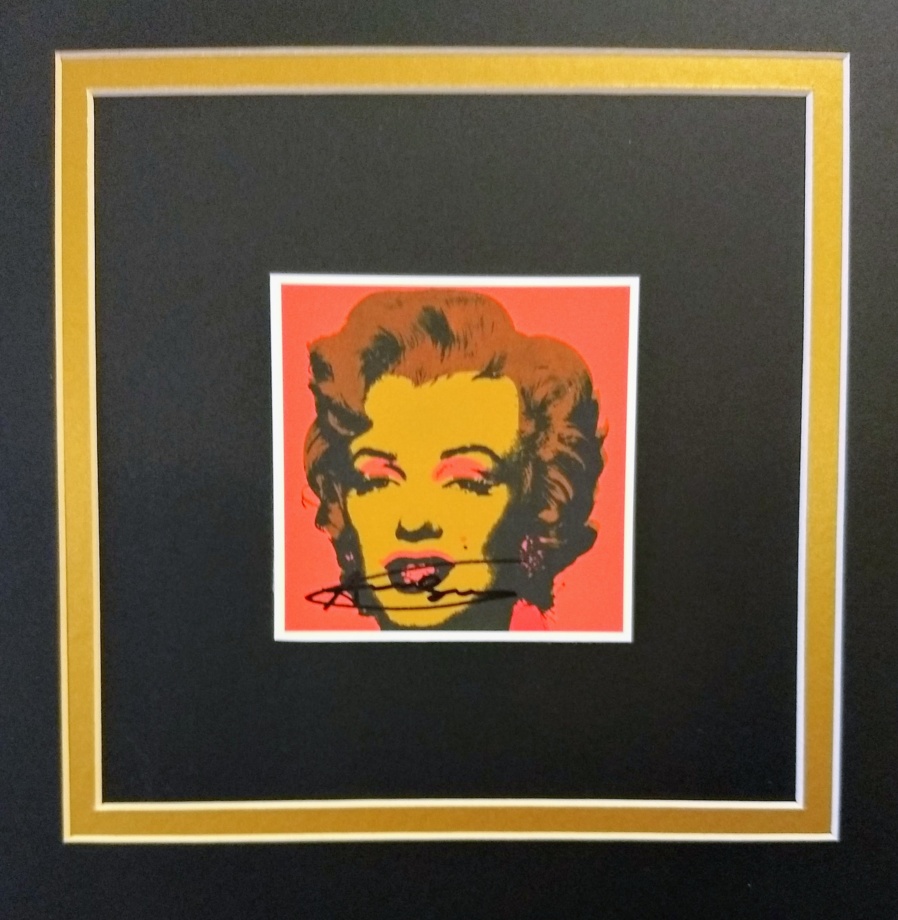
Building famous art collections in the current market environment requires strict financial planning to prevent unexpected fee spikes from eroding investment returns. High-profile bidders adopt several strategic tactics to mitigate steep auction house fee jumps:
- Set hard hammer limits: Bidders establish strict hammer caps that account for the exact buyer’s premium percentage tiers before placing a bid.
- Utilize priority bidding options: Some houses offer reduced buyer premiums for submitting binding written bids well prior to auction start.
- Leverage third-party guarantees: Buyers negotiate irrevocable bids or third-party guarantees to lock in financing terms and offset potential premium costs.
- Shift toward direct private treaty: Collectors arrange direct private sales through auction house private channels to negotiate flat, lower buyer fees.
Dollar cost comparison of auction premiums across hammer prices (Sotheby’s 2026 Rules)
| Hammer Price | Low-Tier Fee (28% on 1st $2M) | Mid-Tier Fee (22% from $2M-$8M) | High-Tier Fee (15% above $8M) | Total Buyer Premium | Total Invoice (Pre-Tax) |
| $2,000,000 | $560,000 | $0 | $0 | $560,000 | $2,560,000 |
| $5,000,000 | $560,000 | $660,000 | $0 | $1,220,000 | $6,220,000 |
| $10,000,000 | $560,000 | $1,320,000 | $300,000 | $2,180,000 | $12,180,000 |

Frequently asked questions
What is an auction buyer’s premium?
An auction buyer’s premium is an extra percentage fee charged by the auction house on top of the winning hammer price. The buyer pays this extra amount directly to cover the auction house’s operating costs and profit margin.
Why did major auction houses change their premium rates?
Major auction houses raised premiums to offset rising marketing expenses, specialist overhead, and lower seller commission revenues. Higher buyer premiums allow auction houses to remain profitable even when offering low commission rates to artwork sellers.
Do celebrity art collectors pay the exact same buyer premiums as general public bidders?
Celebrity collectors pay the exact same published buyer premiums as any public bidder when competing in live public auctions. However, to avoid these standard public tiers, high-profile buyers frequently utilize early priority written bids for fixed rate discounts or acquire works through private sales channels where commission terms are negotiated directly.
How does the celebrity collection art trend impact broader art market values?
High-profile purchases create strong public interest and raise demand for featured artists across galleries worldwide. When public attention shines on celebrity art acquisitions, auction houses often see increased bidding activity across similar contemporary categories.