During times of social and economic upheaval, diverse groups advocate for change in unique ways. Students may protest in the streets, scholars critique systemic flaws through research, and others express their dissent in personal, creative forms. Artists advocating social justice play a vital role in social and political movements. Their painting, murals, music, poems, posters can challenge authority and inspire change, striking fear into the hearts of those in power. Through their unusual creations, several artists have gained global recognition for their art. Let’s explore some social and political activism through art in greater detail.
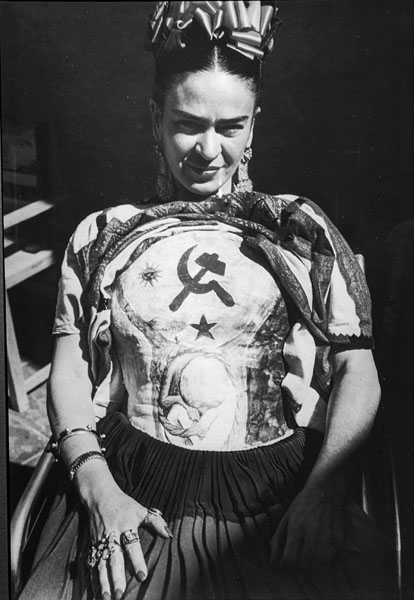
How Art Catalyzes Social Change
Art may not immediately come to mind when considering social activism, but it serves as a powerful force for transformation. By revealing the underlying causes of societal issues and bringing them into the public’s awareness, art often drives meaningful change, and political activism through art takes central stage during election season.
You can even think about this on a personal level. If you want to discover more about yourself and where you came from, you can take a DNA test or look further into your genealogy. If you have a dog whose behavior you want to understand further, you can do a dog genetic testing to determine its breed composition. Basically whatever you want to find out about the world, you can do through careful research and through the right channels.
Cesar Chavez: Art and Advocacy
Cesar Chavez, a 20th-century Mexican-American artist and activist, was a pivotal figure in the labor movement. His painting symbolized the struggles of the working class, particularly farmworkers.
Chavez’s art, characterized by vibrant murals, depicted the hardships faced by farmers in their daily labor. These large-scale murals promoting social equality, often displayed in public spaces, were accessible widely to raise awareness among common people. Despite his amateur art style, his painting inspired a broader social movement, contributing to the passage of fairer laws for agricultural workers.
Pablo Picasso: Art as a Catalyst for Social Awareness
Pablo Picasso, the renowned Spanish artist, is celebrated for his unusual insights into the human condition. Living through the early 20th century, a period marked by significant social and political turmoil in Spain and beyond, Picasso used his art to highlight pressing societal issues.
His iconic painting Guernica (1937) captured the atrocities of the Spanish Civil War in black and white colors, exposing the devastation caused by fascism. This monumental work, with its chaotic imagery of suffering and destruction, brought global attention to the conflict’s horrors.
Moreover, Picasso’s recurring use of the dove as a symbol of peace, like Dove of Peace (1949), became a universal emblem of hope and reconciliation, resonating worldwide. Through some of his art he made statements, attracted attention, and left a lasting legacy.

Picasso’s “Dove of Peace” is a series of images, most famously a simple, graphic line drawing of a white dove, that became a global symbol of peace after its creation in 1949. Inspired by a real pigeon gifted to him by Henri Matisse, Picasso created the image for the 1949 International Peace Conference in Paris. The image’s impact grew, appearing on posters, prints, and other media for peace movements worldwide and representing hope, purity, and the collective effort needed for peace.
Banksy: Street Art for Social Change
Banksy, the enigmatic British street artist whose identity remains a mystery, is globally celebrated for his provocative and instantly recognizable work. His stenciled murals, often rendered in flat colors of black and red, decorate buildings across the UK and beyond, addressing pressing social issues with street style imagery.
Anti-War Advocacy: Banksy’s art frequently conveys powerful anti-war messages. Murals like Balloon Girl (2002), depicting a girl releasing a heart-shaped balloon, and Rage, the Flower Thrower (2003), showing a rioter throwing a bouquet, symbolize peace and resistance against violence.
Anti-Capitalism Critique: Banksy critiques consumerism and capitalism through striking symbols. In Shop Until You Drop (2011), he portrays a woman falling amidst shopping bags, highlighting the excesses of consumer culture. Similarly, Barcode Shark (2008) uses a barcode to represent the commodification of nature.
Anti-Establishment Sentiment: His work often mocks political authority, as seen in Sweeping It Under the Carpet (2006), where a maid sweeps dirt under a wall, critiquing institutional cover-ups. This rebellious streak may contribute to his choice to remain anonymous.
Banksy’s art has transcended street corners, inspiring global social movements and even influencing merchandise, from prints to clothing. His famous art goes beyond street painting and can be seen on Art Basel in Miami almost every year. This famous artist continues to resonate, sparking dialogue and driving change worldwide.
Ai Weiwei: Contemporary Art as Defiance
Ai Weiwei, a globally celebrated Chinese artist, is renowned for his provocative contemporary art and social issues that challenge authority, often clashing with Chinese officials due to his political messages. His anti-establishment art has led to his exile from China, a consequence of his unyielding critique of governmental oppression.
Born to a dissident poet, Ai Weiwei’s life has been marked by displacement, from his early years in China to his later residences in the United States, Germany, and Portugal. This international journey has amplified his influence, allowing him to inspire audiences worldwide. His art, like Sunflower Seeds (2010), a sprawling installation of millions of handcrafted porcelain seeds symbolizing individuality and mass production, and Dropping a Han Dynasty Urn (1995), a performative act questioning cultural value and authority, have moved people and challenged conversations about freedom and human rights. Today, artist Ai Weiwei speaks about the global refugee crisis in his book titled, Humanity.
Diego Rivera: Art for Social Revolution
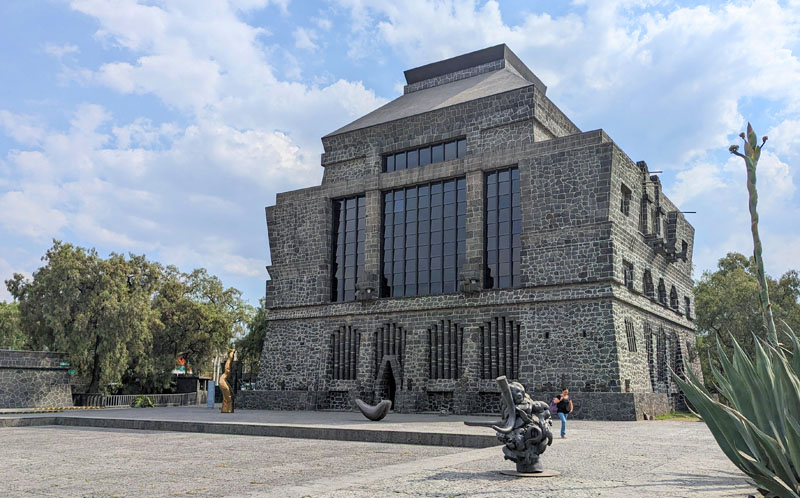
Diego Rivera (1886–1957), a famous Mexican artist and a husband of Frida Kahlo, is celebrated for his monumental murals that championed social justice and celebrated Mexican culture. As a leading figure in the Mexican Muralism movement, Rivera used his art to address issues of class struggle, indigenous identity, and political revolution, leaving a lasting impact on Mexico and the global art world.
Born in Guanajuato, Mexico, Rivera studied art in Europe, where he was influenced by Cubism and Renaissance frescoes. Returning to Mexico in the 1920s, he embraced muralism as a public medium to educate and inspire the masses. His works often decorated government buildings, schools, and public spaces, making his messages accessible to common people.
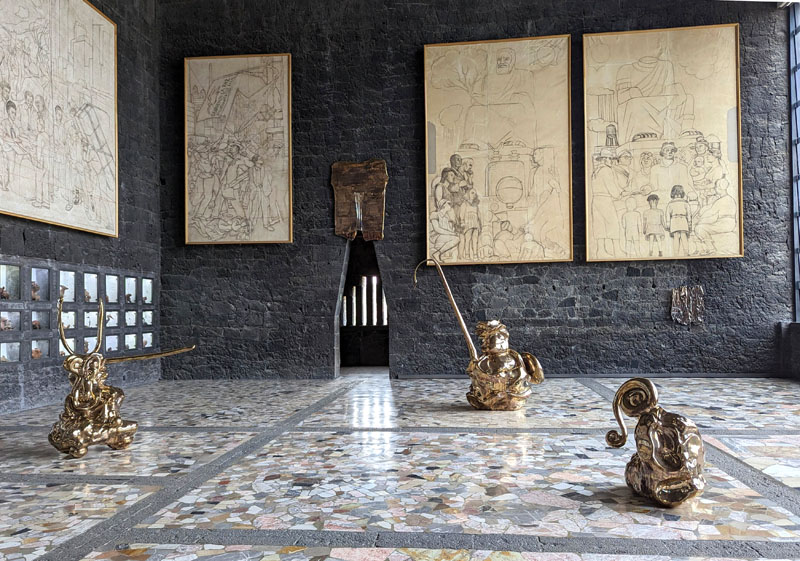
Key Art:
Man at the Crossroads (1933–1934): Originally commissioned for Rockefeller Center in New York, this mural depicted workers, technology, and social progress but included a portrait of Lenin, sparking controversy and leading to its destruction. A recreated version, Man, Controller of the Universe (1934), in Mexico City’s Palacio de Bellas Artes, critiques capitalism and celebrates collective labor. You can see it today by visiting the center in the heart of Mexico City.
The History of Mexico (1929–1935): Located in the National Palace in Mexico City, this sprawling mural series portrays Mexico’s indigenous heritage, colonial oppression, and revolutionary struggles. It highlights the exploitation of workers and peasants, advocating for social equality and national pride.
Detroit Industry Murals (1932–1933): Created for the Detroit Institute of Arts, these murals glorify industrial workers and critique the dehumanizing effects of industrialization. Rivera’s vivid imagery blends technology with human labor, emphasizing the dignity of the working class.
Rivera’s art was deeply political, often aligning with Marxist ideals and advocating for the rights of workers and indigenous peoples. His bold depictions of social inequality and historical narratives challenged the status quo, earning both admiration and criticism. Despite controversies, including his conflicts with patrons like the Rockefellers, Rivera’s murals inspired social movements and solidified his legacy as a voice for the marginalized. Rivera’s murals still attract lots of attention from tourists visiting the museums in Mexico.
The Transformative Power of Art

The impact of artists on social change can be profound, with countless creators using their talents to influence societies and the world at large. While artists like Banksy, Ai Weiwei, and Pablo Picasso are widely celebrated for their statements, many others have also driven change through their work. Visionaries like Frida Kahlo, with her introspective paintings such as The Two Fridas (1939), explored identity and cultural struggles, while Shepard Fairey’s Hope (2008) poster became a global symbol of political optimism. Beyond visual art, musicians like Bob Dylan, filmmakers like Ava DuVernay, and even dancers like Alvin Ailey have woven powerful social messages into their craft. When visiting an art gallery or engaging with any creative medium, look beyond the surface—each piece may carry a deeper call for change.
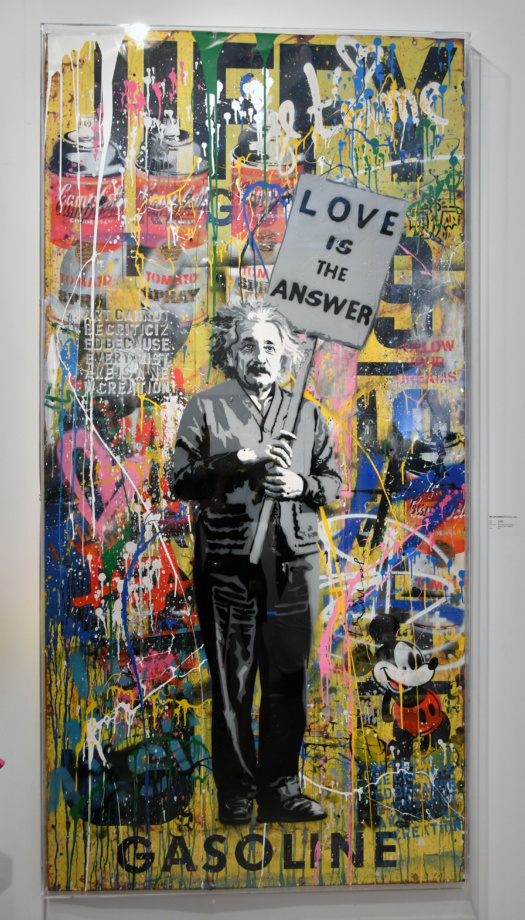
Artists to Explore Further:

- Frida Kahlo: Known for her raw, personal depictions of gender, identity, and Mexican heritage.
- Shepard Fairey: Creator of iconic street art with political resonance, including the Obey series.
- Kara Walker: Uses silhouettes to confront race, history, and power dynamics in works. An American artist renowned for her provocative silhouettes and installations. Her work A Subtlety (2014), a massive sugar-coated sculpture, critiqued the legacy of slavery and exploitation in the sugar trade, talking about racial injustice.
- Yayoi Kusama: Her immersive installations, such as Infinity Mirrored Room (1965–present), challenge perceptions and advocate for mental health awareness.
- Judy Chicago: This American artist created feminist art for social change. She used her installations to challenge gender inequality and advocate for social change. Active since the 1960s, Chicago’s art confronts patriarchal structures and celebrates women’s contributions. Her most famous work, The Dinner Party (1974–1979), a massive triangular table with 39 place settings honoring historical women, redefined art’s role talking about feminism. By addressing issues like gender oppression and women’s erasure from history, Chicago’s multimedia art installations continue to inspire activism and empower movements for equality.
Written by Alice Yang & Veronica Winters
