Written in the early 14th century (between1304-1316), Dante Alighieri’s Divine Comedy is a three-part epic poem that details a visionary journey of a man through the afterlife. It’s a masterpiece of Italian literature that describes the soul’s journey from the circles of Hell to the spheres of Heaven. As a living being Dante travels through the dark realms and encounters monsters, ghosts, and tortures of the dead for their sins. Unlike the dead men stuck in fixed state, Dante can still change his fate traveling across realms with Virgil, his guide. As he moves upwards toward God, Dante encounters Beatrice, angels, and people who died honorably. At the end of his journey, he meets God. These realms is an allegory of the Christian soul’s journey from sin to divine union.
The author made a conscious choice to write this poem in Italian language to make it accessible to common people, as the Latin was the language of the elite and the Church. By picking the language, Dante also makes a point about the soul’s salvation without the Institution.
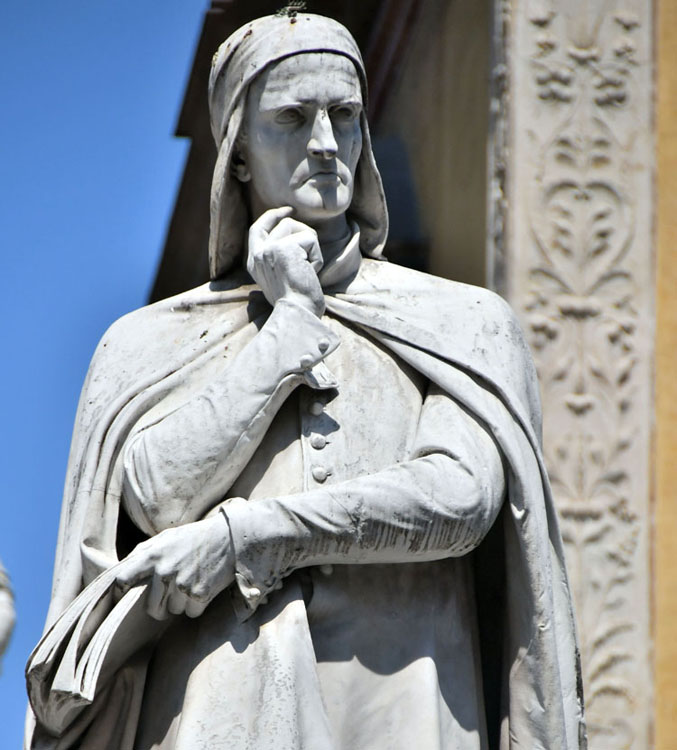
About the poet: Visualizing Dante
Dante Alighieri was born in Florence around 1265 to a family of minor nobility (the Alighieri). The family claimed ancient Roman roots, descending from a branch of the Elisei family. His father, Alighiero II, and grandfather were involved in moneylending. Dante’s mother died when he was a young child. He had a brother (Francesco) and a sister (Tana/Gaetana) from his father’s second marriage. He was baptized in the Baptistery of San Giovanni in Florence, a place that held deep symbolic meaning for him as representative of his beloved city. Dante received early education in grammar, rhetoric, and Latin classics. He studied under the influential Guelph intellectual Brunetto Latini, who introduced him to French culture, philosophy, and civic humanism. This education, combined with the flourishing of vernacular poetry in Tuscany (including the Sicilian School and dolce stil nuovo), shaped his poetic voice. He distinguished himself with poems in praise of Beatrice (his idealized love), later collected and explained in La Vita Nuova.
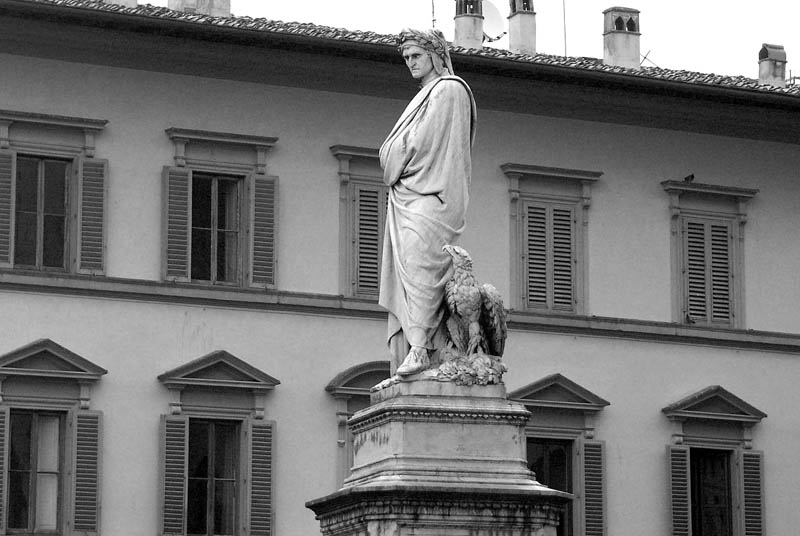
Dante actively participated in Florence’s turbulent politics during the Guelph-Ghibelline conflicts and the later split between White and Black Guelphs. He fought in the Battle of Campaldino (1289) against the Ghibellines of Arezzo. He enrolled in the Guild of Physicians and Apothecaries to qualify for office under the Ordinances of Justice. He served as a prior (one of the highest offices) in 1300 and acted as ambassador to San Gimignano.
As a White Guelph who opposed Pope Boniface VIII’s interference in Florentine affairs, Dante was sent on an embassy to Rome in late 1301. While he was away, Charles of Valois entered Florence, enabling the Black Guelphs to seize power. In 1302, Dante was accused of corruption, fined, and sentenced to exile. When he did not pay the fine, the sentence was escalated to death. He never returned to Florence.
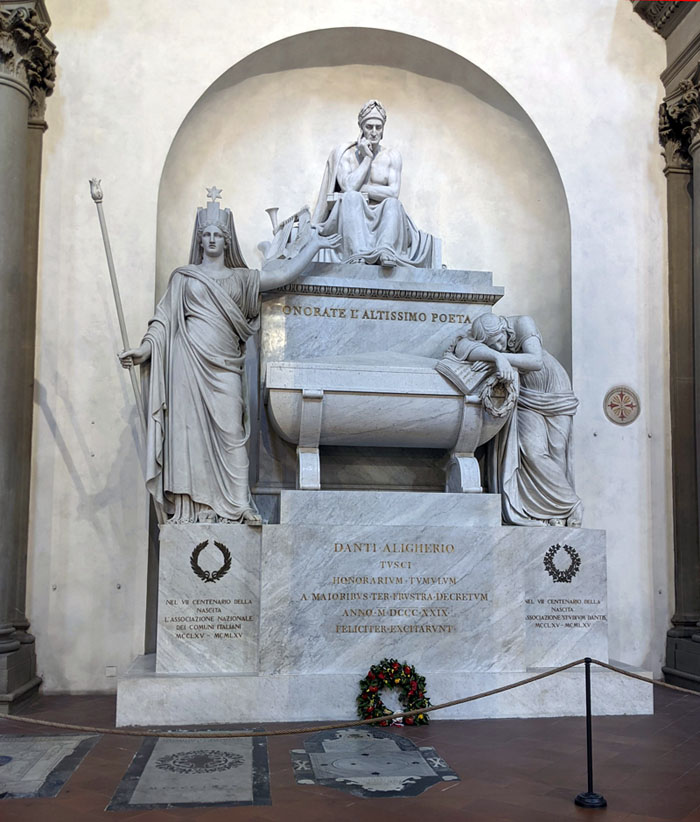
Life in Exile (1302–1321)
Dante initially joined other White Guelph exiles in attempts to regain power militarily, but after their defeat (e.g., at Lastra a Signa in 1304), he distanced himself (“formed a party of one”). He wandered through Italian cities, including: Bologna, Verona, Lucca, Casentino, Sarzana. He placed great hope in Emperor Henry VII’s descent into Italy (around 1310–1313) as a way to restore order and possibly return home, writing political letters and the treatise De Monarchia. After Henry’s death in 1313, those hopes ended. Later, he stayed with Cangrande della Scala in Verona and finally found a peaceful refuge in Ravenna under Guido Novello da Polenta. He completed The Divine Comedy there. Sent as an ambassador to Venice, he contracted malaria on the return journey. Dante died in Ravenna during the night of 13–14 September 1321, shortly after finishing Paradiso. He left behind his masterpiece, The Divine Comedy (which later generations called “Divine”), along with other major works in both vernacular and Latin. His exile profoundly shaped his writing, blending personal loss, political critique, moral vision, and spiritual hope.
Dante Alighieri: Biography Summary is based on the official Museo Casa di Dante page https://www.museocasadidante.it/en/dante-alighieri/biography )
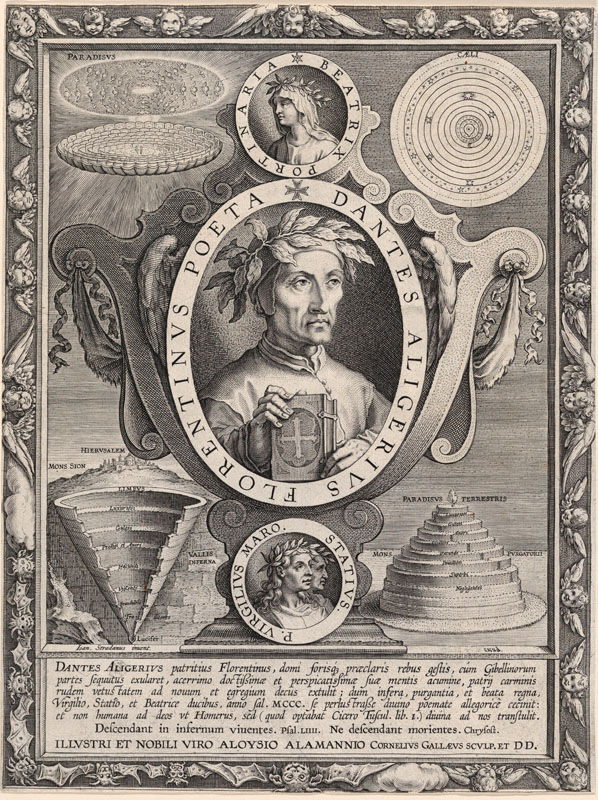
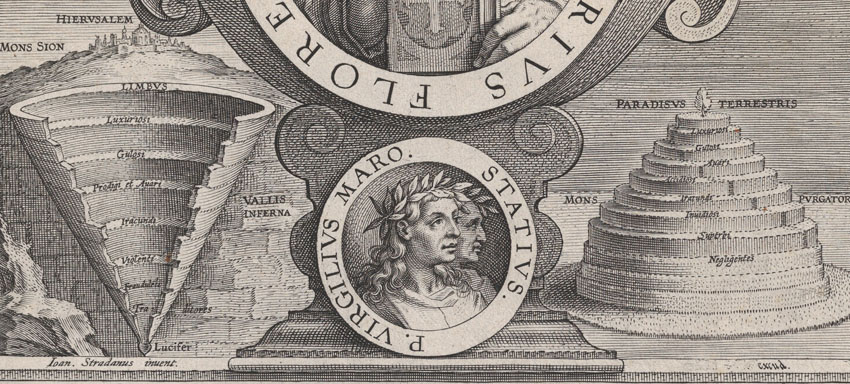
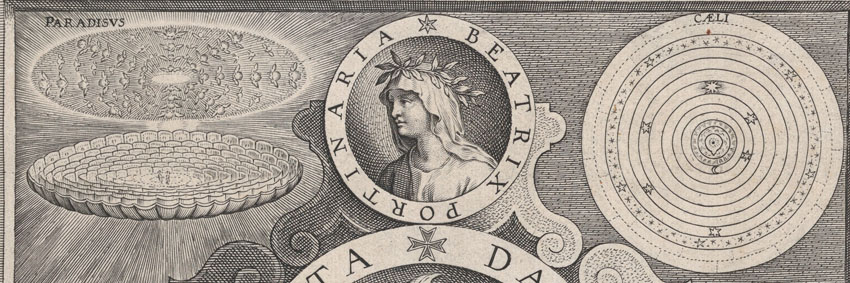
Artist: Cornelis Galle I (Netherlandish, Antwerp 1576–1650 Antwerp), 1595, Engraving, size: 10 5/8 x 7 7/8 in. (27 x 20 cm).
Engraving celebrating Dante. The central roundel includes a large portrait of the poet. A smaller roundel above includes a portrait of Beatrice and a smaller roundel below represents a double portrait of Virgil and Statius. Portraits surrounded by four diagrams in each corner representing Paradise, the Heavens, Jerusalem with Limbo and Hell as well as the Terrestrial Paradise. The inscription at the base of the image boasts of Dante’s Florentine origins and his work and dedicates the image to Luigi Alamanni.
The Divine Comedy: Literary Symbolism
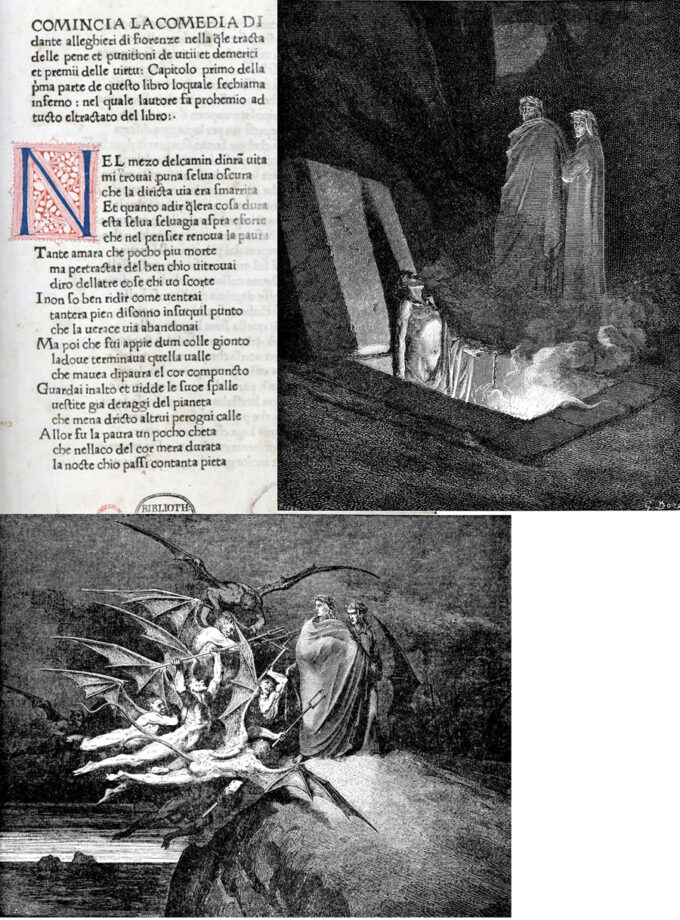
The poem is divided into three sections: Inferno, Purgatorio, and Paradiso. The narrator and protagonist, Dante, begins his journey lost in the dark woods of sin on Good Friday in 1300, possibly representing a mid-life spiritual crisis.
1. Dante Inferno (Hell)
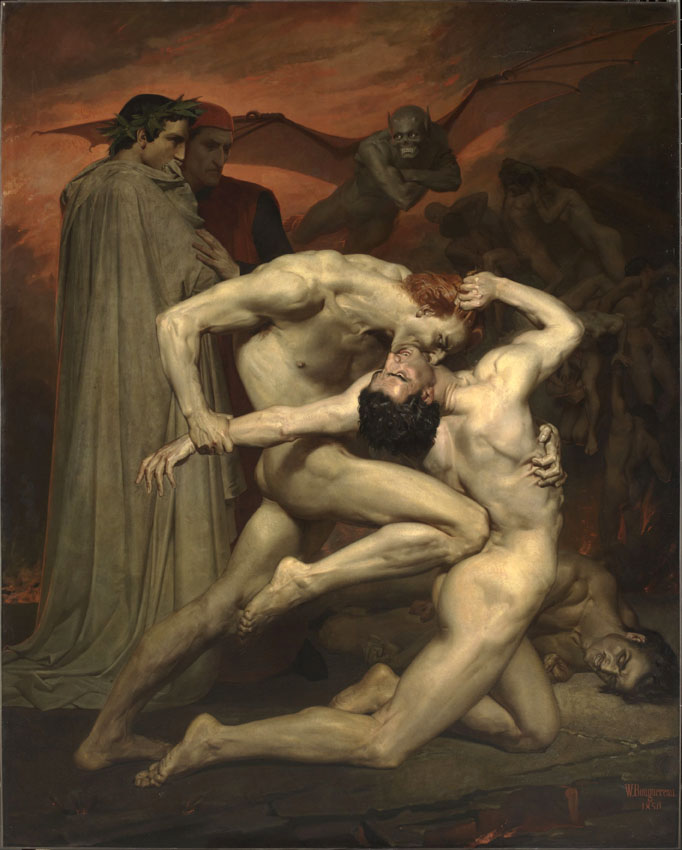
Guided by the Roman poet Virgil, Dante descends through nine concentric circles of suffering. Hell is a descending cone of increasing wickedness toward the center of the Earth. It is divided into 10 levels: the Ante-Inferno and nine circles of hell. After the first six circles, the seventh is divided into three sub-circles or rounds, the eighth into ten pits, and the ninth into four levels- Caina, Antenora, Ptolomea, and Judecca.
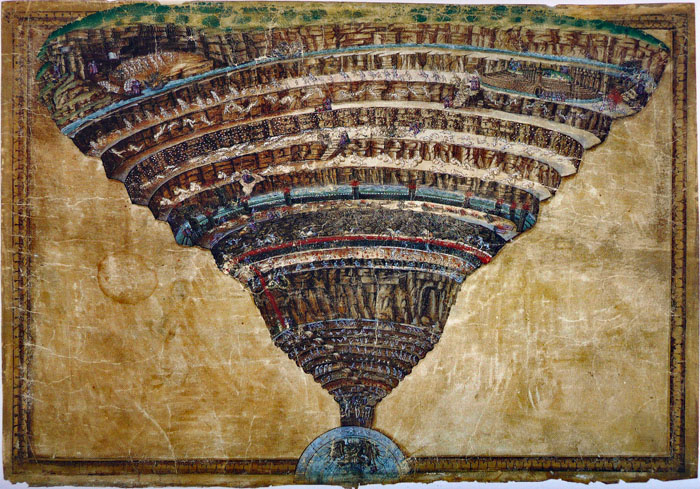
The structure of Hell is governed by the concept of contrapasso, a system where the punishment of a sinner reflects their sin during their life. Dante describes each circle’s environment with its monsters (the infernal hurricane, the eternal rain, Fortune and her wheel, Styx, the gates and city of Dis, etc.), why people get there, and how they get punished for their sins. Sins are categorized broadly as incontinence (lack of self-control), violence, and fraud/malice. The descent symbolizes moving farther from God.
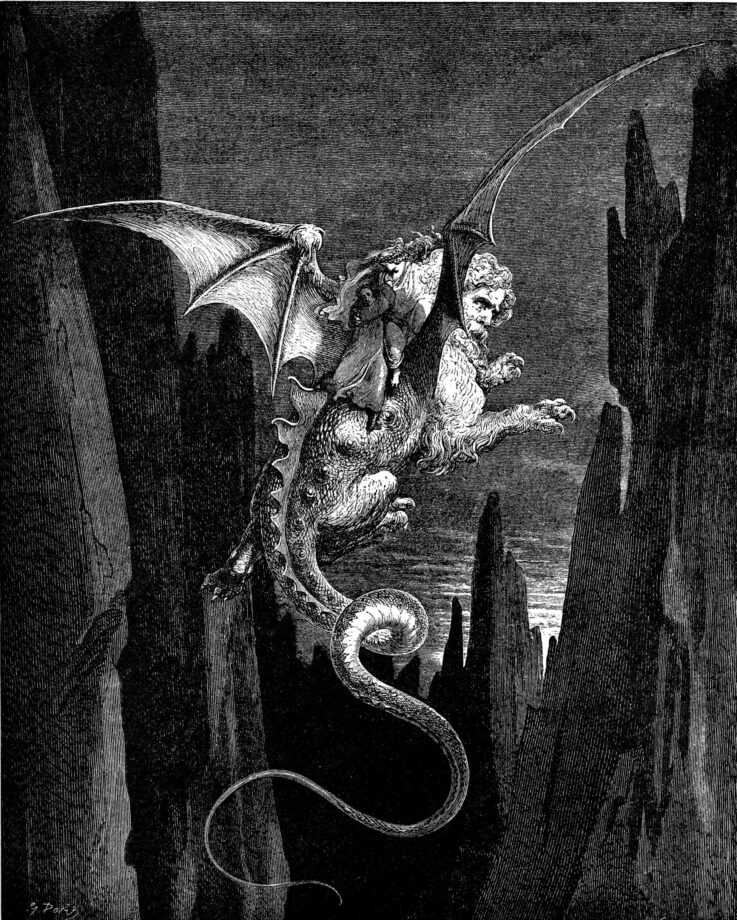
- Upper Hell: Reserved for sins of incontinence (lust, gluttony, greed).
- Lower Hell: Contains more “human” sins such as heresy, violence, treachery, and fraud.
- The Bottom: In the frozen lake of Cocytus, Dante finds Satan—a three-faced monster—chewing on the world’s greatest traitors: Judas Iscariot, Brutus, and Cassius.
- The First Circle—Limbo, or the border land of the unbaptized people (who got there before the birth of Christ)
Hell Symbolism
- Ante-Inferno (or Vestibule): The indifferent or neutral souls who took no sides in life (e.g., those who lived without praise or blame).
- Symbolism: Cowardice and moral neutrality; they chase a banner while being stung by insects, representing their futile, restless existence.
- Circle 1: Limbo — Virtuous pagans and unbaptized souls (e.g., Homer, Socrates, Aristotle).
- Symbolism: Lack of Christian revelation or baptism; a place of natural reason and mild longing, without torment but without the beatific vision.
- Circle 2: Lust — Carnal sinners (e.g., Cleopatra, Helen, Paris).
- Symbolism: Uncontrolled passion; souls are tossed eternally by stormy winds, mirroring how lust swept them away in life.
- Circle 3: Gluttony — Gluttons and those excessive in consumption.
- Symbolism: Self-indulgence; souls lie in vile slush under freezing rain and are torn by Cerberus, reflecting their wallowing in earthly excesses.
- Circle 4: Greed (Avarice/Prodigality) — Hoarders and wasters.
- Symbolism: Misuse of material goods; souls push heavy weights against each other in endless conflict, showing the futility of greed.
- Circle 5: Wrath (and Sullenness) — The wrathful and the sullen.
- Symbolism: Uncontrolled anger or repressed resentment; wrathful fight in the muddy Styx, while the sullen gurgle beneath it.
- Circle 6: Heresy — Heretics and those who deny the soul’s immortality.
- Symbolism: Intellectual/spiritual falsehood; souls are trapped in burning tombs.
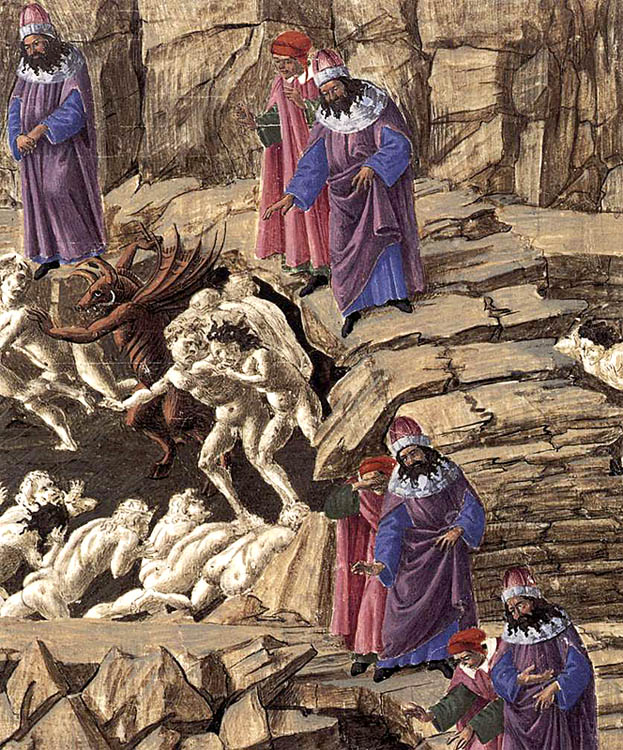
- Circle 7: Violence (divided into three rings) — Against others (tyrants in boiling blood), against self (suicides as twisted trees), and against God/nature/art (blasphemers, sodomites, usurers in a desert of burning sand/flames).
- Symbolism: Harm to neighbor, self, or divine order.
Canto XVII Geryon—The violent against art—Usurers—Descent into the abyss of Malebolge.
“Behold the monster with the pointed tail,
Who cleaves the hills, and breaketh walls and weapons,
Behold him who infecteth all the world.”
Thus unto me my Guide began to say,
And beckoned him that he should come to shore,
Near to the confine of the trodden marble;
And that uncleanly image of deceit
Came up and thrust ashore its head and bust,
But on the border did not drag its tail.
The face was as the face of a just man,
Its semblance outwardly was so benign,
And of a serpent all the trunk beside.
Two paws it had, hairy unto the armpits;
The back, and breast, and both the sides it had
Depicted o’er with nooses and with shields.
With colors more, groundwork or broidery
Never in cloth did Tartars make nor Turks,
Nor were such tissues by Arachne laid.
As sometimes wherries lie upon the shore,
That part are in the water, part on land;"
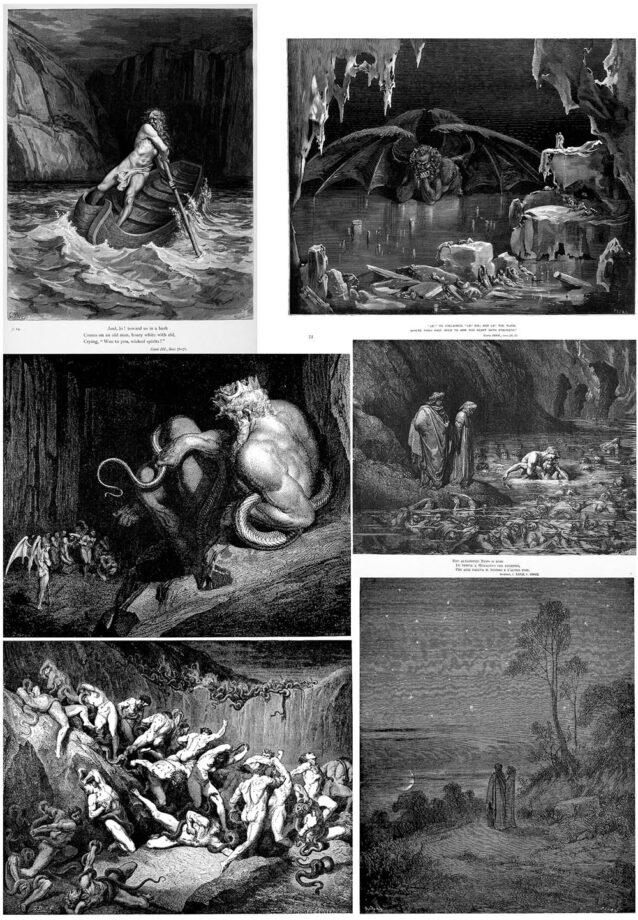
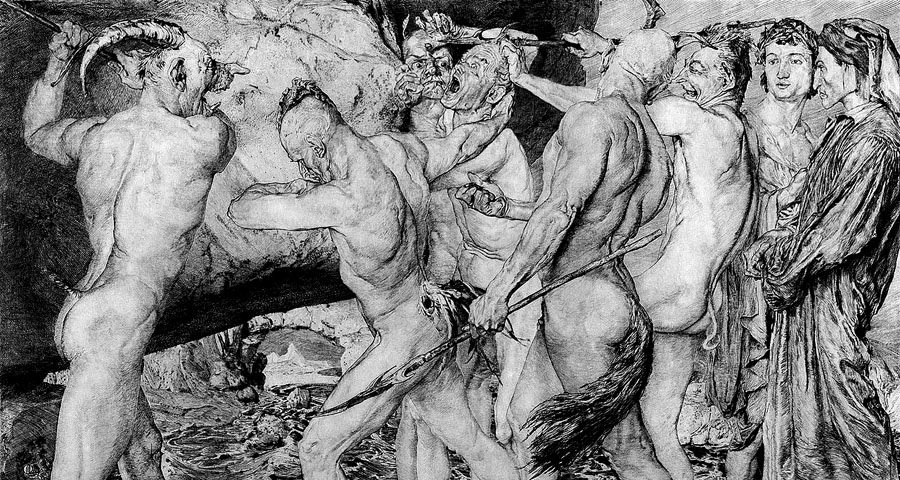
- Circle 8: Fraud — 10 bolgias (ditches) for various frauds (e.g., panderers, flatterers, simoniacs, sorcerers, barrators, hypocrites, thieves, false counselors, schismatics, falsifiers).
- Symbolism: Deception and betrayal of trust; complex, inventive punishments fitting each deceit.
- Circle 9: Treachery (divided into 4 rounds: Caina, Antenora, Ptolomaea, Judecca) — Traitors to family, country, guests, and lords/benefactors.
- Symbolism: Ultimate betrayal of trust and love; frozen in ice (Cocytus), with Satan at the center chewing the worst traitors – Judas, Brutus, and Cassius. Represents the coldest, most isolated sin.
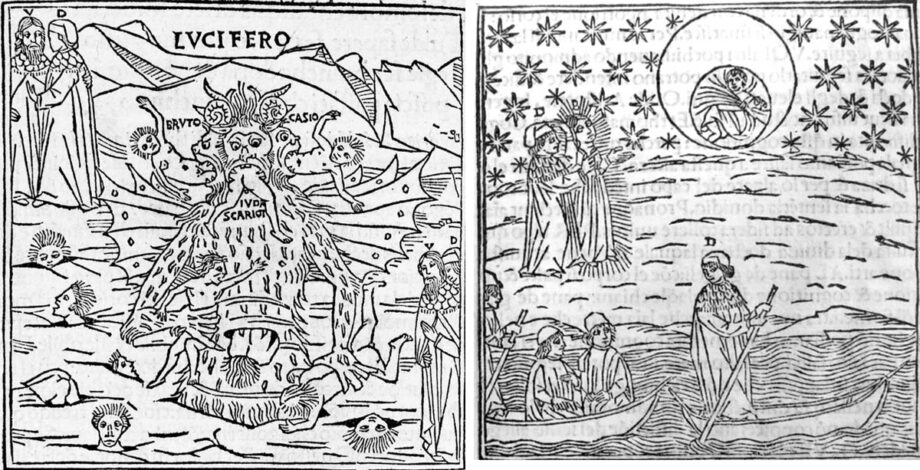
"Underneath each came forth two mighty wings,
Such as befitting were so great a bird;
Sails of the sea I never saw so large.
No feathers had they, but as of a bat
Their fashion was; and he was waving them,
So that three winds proceeded forth therefrom.
Thereby Cocytus wholly was congealed.
With six eyes did he weep, and down three chins
Trickled the tear-drops and the bloody drivel.
At every mouth he with his teeth was crunching
A sinner, in the manner of a brake,
So that he three of them tormented thus.
To him in front the biting was as naught
Unto the clawing, for sometimes the spine
Utterly stripped of all the skin remained.
“That soul up there which has the greatest pain,”
The Master said, “is Judas Iscariot;
With head inside, he plies his legs without.
Of the two others, who head downward are,
The one who hangs from the black jowl is Brutus;
See how he writhes himself, and speaks no word.
And the other, who so stalwart seems, is Cassius.
But night is reascending, and ’tis time
That we depart, for we have seen the whole.”
As seemed him good, I clasped him round the neck,
And he the vantage seized of time and place,
And when the wings were opened wide apart,
He laid fast hold upon the shaggy sides;
From fell to fell descended downward then
Between the thick hair and the frozen crust.
When we were come to where the thigh revolves
Exactly on the thickness of the haunch,
The Guide, with labor and with hard-drawn breath,
Turned round his head where he had had his legs,
And grappled to the hair, as one who mounts,
So that to Hell I thought we were returning.
“Keep fast thy hold, for by such stairs as these,”
The Master said, panting as one fatigued,
“Must we perforce depart from so much evil.”
Then through the opening of a rock he issued,
And down upon the margin seated me;
Then tow’rds me he outstretched his wary step.
I lifted up mine eyes and thought to see
Lucifer in the same way I had left him;
And I beheld him upward hold his legs."
2. Dante Purgatorio (Purgatory): Ante-Purgatory + 7 Terraces + Earthly Paradise
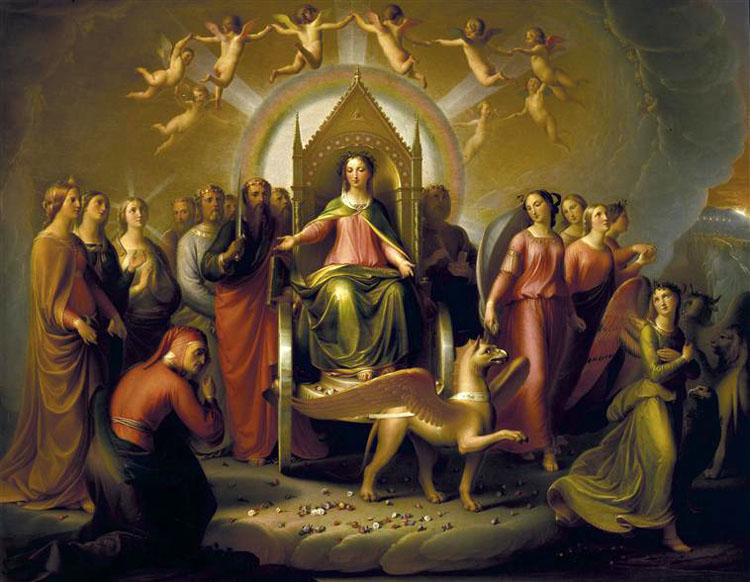
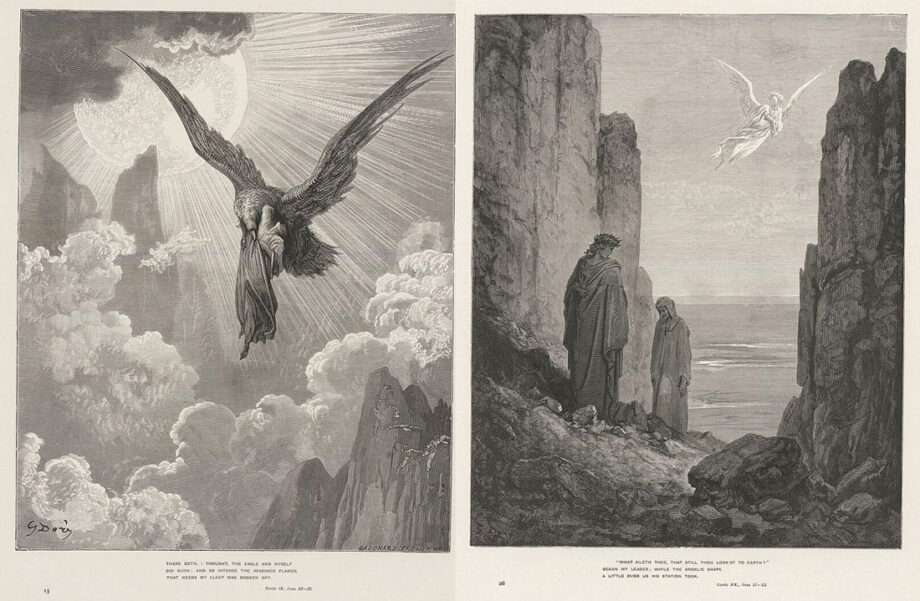
Dante and Virgil emerge on the shores of Mount Purgatory that they need to climb to reach Heaven. It is divided into three parts: Ante-Purgatory, Purgatory divided into second terraces, and the Earthly Paradise at the top of the mountain. Unlike the eternal punishments of Hell, Purgatory is a place of hope and purification for repentant souls. It’s an ascending mountain that symbolizes hope and moral growth. Here, they undergo penance for the seven deadly sins to cleanse themselves before ascending to Heaven’s realm. At the summit, Virgil—representing human reason—cannot go further and leaves Dante. However, Dante meets Beatrice, who represents divine revelation and guides him through spheres of Paradise.
https://www.ashmolean.org/collections-online#/item/ash-object-877057
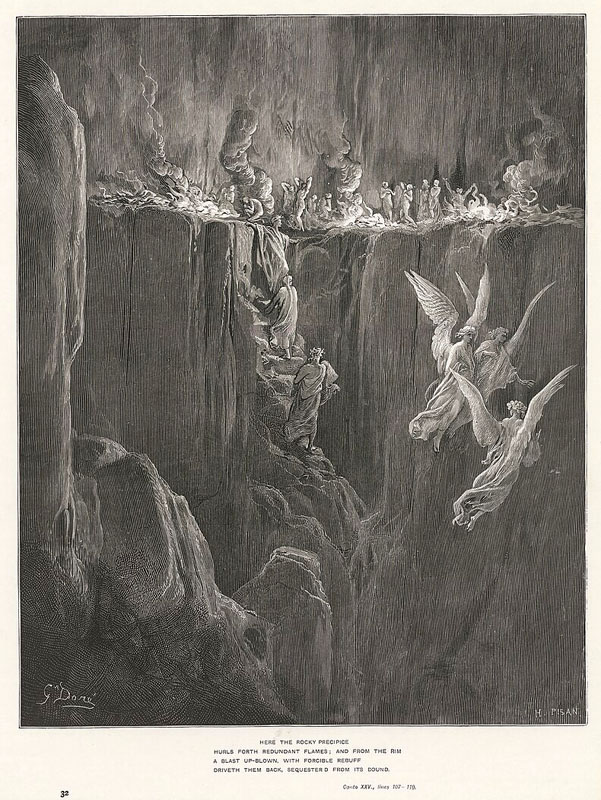
Purgatory Symbolism
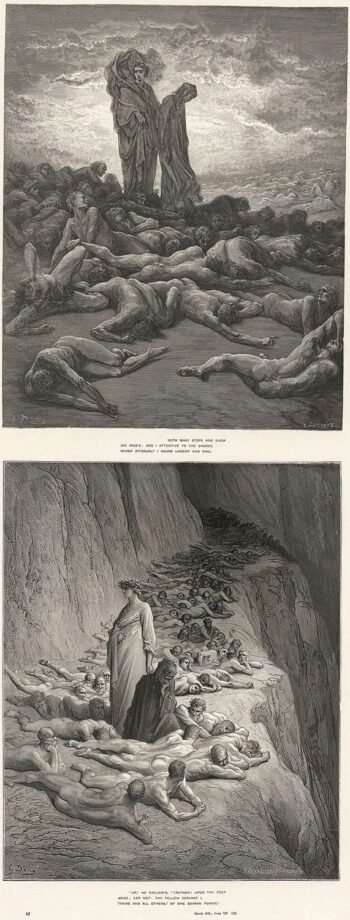
- Ante-Purgatory: Late-repentant souls, excommunicated, and those distracted by worldly cares (e.g., princes). Symbolism: Delayed repentance; souls wait and pray.
- Terrace 1: Pride — Souls bent under heavy stones. Symbolism: Humbling of the arrogant; carved examples of humility (e.g., Mary) aid correction.
- Terrace 2: Envy — Souls with sewn-shut eyes, weeping. Symbolism: Blinding oneself to others’ good; examples of generosity.
- Terrace 3: Wrath — Souls in blinding smoke. Symbolism: Obscuring of reason by anger; examples of meekness.
- Terrace 4: Sloth (Acedia) — Souls running zealously. Symbolism: Remedy for spiritual laziness; examples of diligence.
- Terrace 5: Avarice (Greed) — Souls weeping face-down, bound. Symbolism: Attachment to earthly goods; examples of poverty and generosity.
- Terrace 6: Gluttony — Souls emaciated, tormented by unreachable fruit and water. Symbolism: Temperance through hunger; examples of moderation.
- Terrace 7: Lust — Souls in purifying flames. Symbolism: Burning away disordered love; examples of chastity.
- Earthly Paradise (Garden of Eden): At the summit. Symbolism: Restored innocence and original state before the Fall; Dante undergoes final purification (Lethe and Eunoe rivers) and meets Beatrice. It bridges Purgatory and Heaven.
3. Dante Paradiso (Paradise)
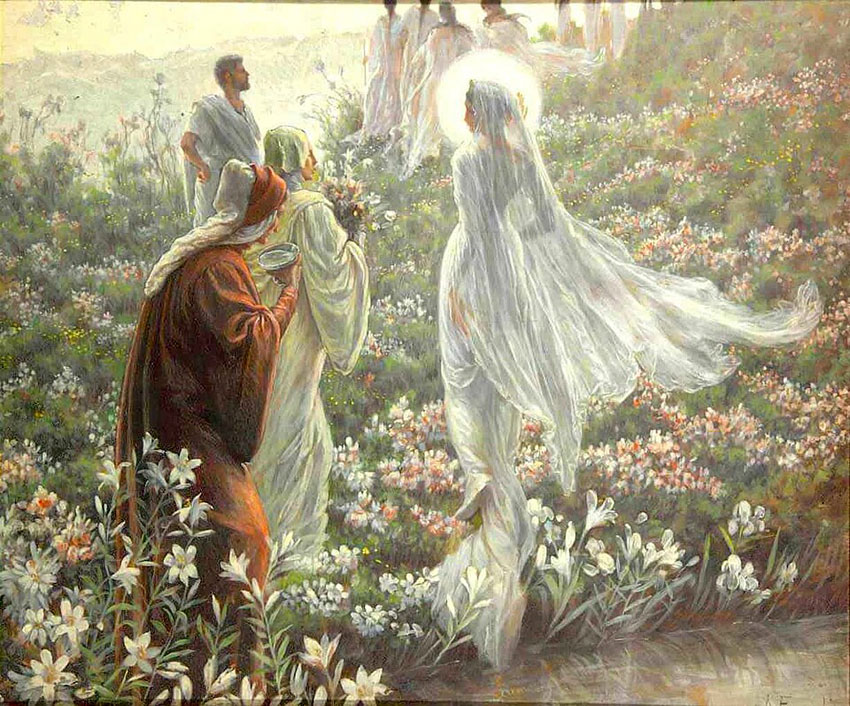
In the third part of the Divine Comedy, Paradiso, Dante travels through nine celestial spheres, which are based on the Ptolemaic (earth-centered) model of the universe, each associated with a different virtue and planetary body (like the Moon, Mars, Mercury). Heaven represents the soul’s ascent toward God through increasing light, love, and understanding. Souls appear in different spheres according to their capacity, but all enjoy the beauty of paradise.
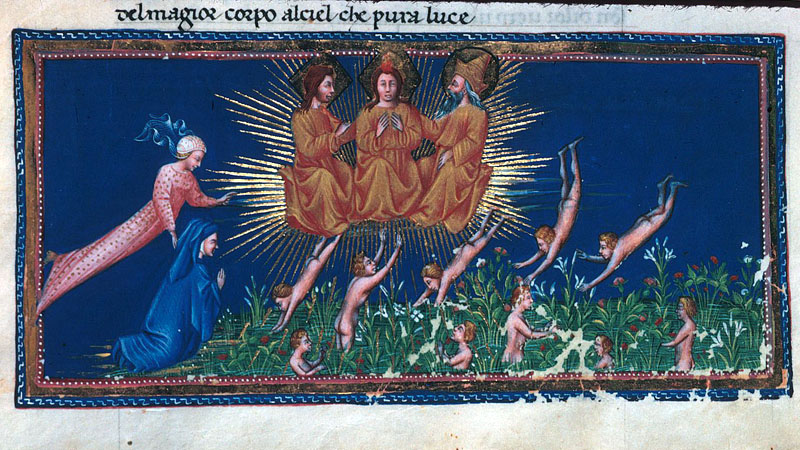
The journey culminates in a tenth, non-physical realm, in the Empyrean, where Dante experiences a fleeting, transcendent vision of God as three blinding circles of light, signifying the Holy Trinity. Beatrice replaces Virgil in this realm. Beatrice appears before Dante and Virgil. Unlike the Inferno, where souls are trapped in specific circles due to their sins, the souls in Paradiso all reside in the presence of God but appear to Dante in different spheres to help him understand their varying degrees of bliss.
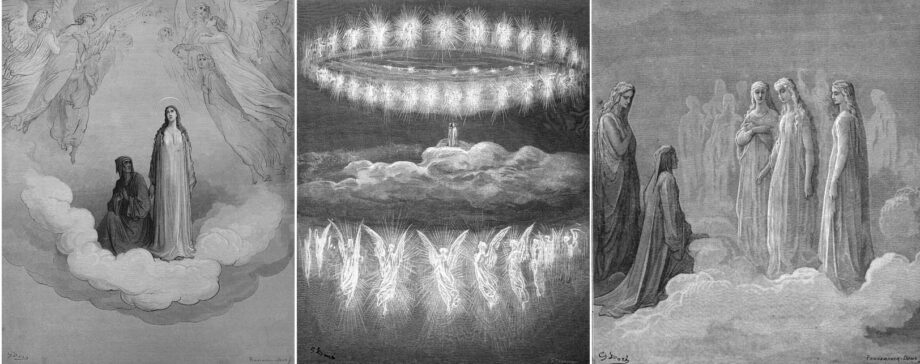
Heaven Symbolism:
- Sphere 1: Moon — Inconstant souls (e.g., those who broke vows). Symbolism: Inconstancy and imperfection; Those who were virtuous but failed to keep their sacred vows (often due to outside pressure). The Moon’s changing phases and faint light represent their lack of steadfastness.
- Sphere 2: Mercury — Ambitious souls who sought fame/honor. Symbolism: Active but somewhat self-interested virtue. Those who performed great and virtuous deeds primarily to gain earthly fame and honor. Mercury is small and often hidden by the sun’s rays, much like their personal glory is now absorbed into God’s.
- Sphere 3: Venus — Loving souls (lovers, those with excessive but redeemed affection). Those whose virtue was fueled by love, though it was sometimes misdirected toward earthly passion before being purified. Symbolism: Human love as a reflection of divine love. Venus is the planet of love, now transformed into divine affection.
- Sphere 4: Sun — Wise souls, philosophers, scholars, and theologians (e.g., Thomas Aquinas, king Solomon). Symbolism: Intellectual light and prudence/wisdom. The Sun represents the light of intellectual and spiritual wisdom.
- Sphere 5: Mars — Warriors, crusaders, and martyrs who fought for faith. Symbolism: Fortitude and courage in defense of the good. The planet appears red, and the souls form a giant, glowing cross.
- Sphere 6: Jupiter — Leaders who administered justice with wisdom (e.g., King David and Constantine). Souls of justice. Symbolism: Justice and righteous governance (eagle formation). The souls arrange themselves to form the shape of a giant eagle, the symbol of Roman imperial justice.
- Sphere 7: Saturn — Contemplative souls and mystics. Monks and hermits who dedicated their lives to prayer and meditation (e.g., Saint Benedict). Symbolism: Temperance and divine contemplation. A golden ladder reaches upward, symbolizing the soul’s ascent through contemplation.
- Sphere 8: Fixed Stars — The Triumphant Church. The Apostles and the Virgin Mary. Here, Dante is examined on the three theological virtues: Faith, Hope, and Love.. Symbolism: Theological virtues and the Church triumphant. A realm of pure light and celestial song representing the victory of Christ.
- Sphere 9: Primum Mobile — This is the physical boundary of the universe. It moves all other spheres and is moved directly by God.. Symbolism: The swiftest sphere imparting movement to the cosmos; angelic hierarchies. Dante sees nine rings of fire whirling around a point of intense light, representing the nine hierarchies of angels.
- Empyrean: The highest heaven, outside space and time; the abode of God or the “True Home” of God, the angels, and all the redeemed. Symbolism: Direct presence of God (the “love that moves the sun and other stars”); the rose of the blessed. Dante experiences the Beatific Vision here: The souls form a massive White Rose. The poem ends with Dante’s direct vision of the Holy Trinity as three distinct circles of light.
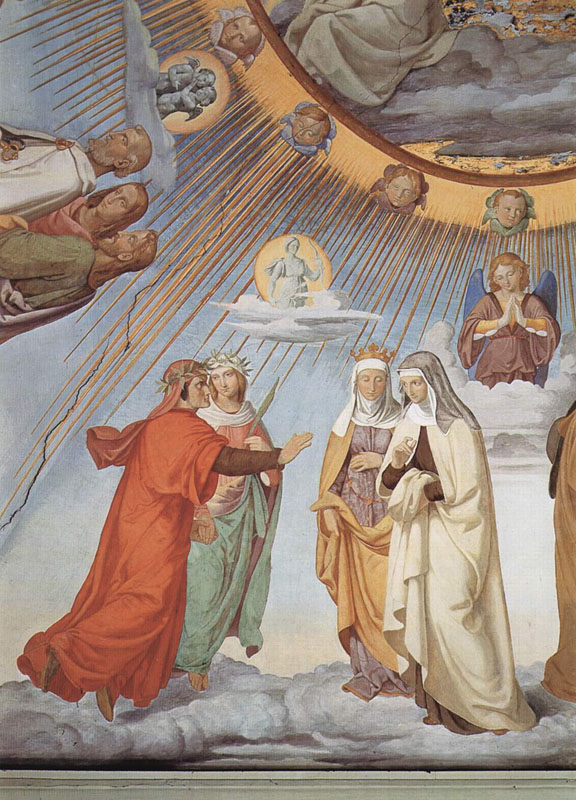
"Within the deep and luminous subsistence
Of the High Light appeared to me three circles,
Of threefold color and of one dimension,
And by the second seemed the first reflected
As Iris is by Iris, and the third
Seemed fire that equally from both is breathed.
O how all speech is feeble and falls short
Of my conceit, and this to what I saw
Is such, ’tis not enough to call it little!
O Light Eterne, sole in thyself that dwellest,
Sole knowest thyself, and, known unto thyself
And knowing, lovest and smilest on thyself!
That circulation, which being thus conceived
Appeared in thee as a reflected light,
When somewhat contemplated by mine eyes,
Within itself, of its own very color
Seemed to me painted with our effigy,
Wherefore my sight was all absorbed therein.
As the geometrician, who endeavors
To square the circle, and discovers not,
By taking thought, the principle he wants,
Even such was I at that new apparition;
I wished to see how the image to the circle
Conformed itself, and how it there finds place;
But my own wings were not enough for this,
Had it not been that then my mind there smote
A flash of lightning, wherein came its wish.
Here vigor failed the lofty fantasy:
But now was turning my desire and will,
Even as a wheel that equally is moved,
The Love which moves the sun and the other stars."
Art Illustrating the Spheres of the Divine Comedy
The structure of Dante’s Heaven is deeply tied to medieval astronomy and theology. The Museo Galileo (Florence): This museum holds astronomical instruments from Dante’s era, helping visitors visualize how the Ptolemaic spheres were understood as physical realities in the 1300s. https://www.museogalileo.it/en/galileo.html .
The British Library holds the Yates Thompson 36 manuscript, which contains 110 miniatures by Giovanni di Paolo (c. 1444). These are considered some of the finest depictions of the Paradiso ever created. https://searcharchives.bl.uk/catalog/040-002354967 https://www.facsimilefinder.com/facsimiles/divine-comedy-yates-thompson-manuscript-facsimile
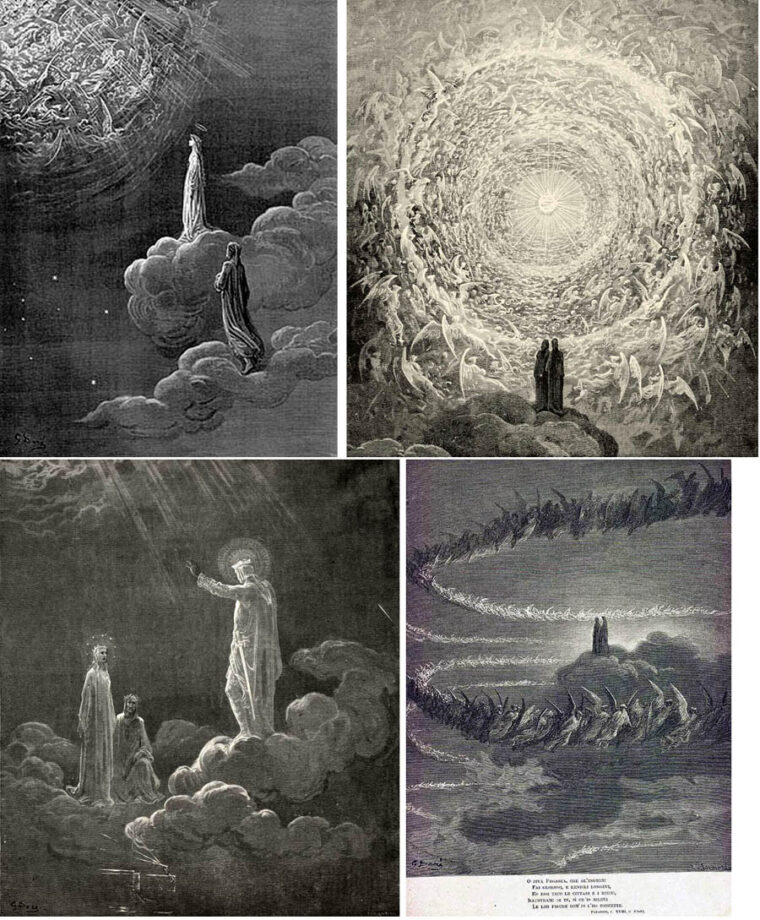
Gustave Doré, The Celestial Rose: A famous engraving showing the Empyrean as a vast, light-filled amphitheater of souls. https://commons.wikimedia.org/wiki/File:Paradiso_Canto_31.jpg and Sandro Botticelli, The Nine Skies of Paradise: Sketches that emphasize the circular, harmonious nature of Heaven compared to the jagged depths of his Inferno maps. https://en.wikipedia.org/wiki/Divine_Comedy_Illustrated_by_Botticelli
https://www.ashmolean.org/collections-online#/item/ash-object-877080
Visualizing the Divine Comedy in Art
The Divine Comedy has inspired centuries of visual art, with major collections held in institutions like the Vatican, the British Museum, and the Louvre.
Renaissance Era:
- Sandro Botticelli (mid-1480s–mid-1490s): A series of full-page drawings (mostly silverpoint on parchment, a few colored) illustrating nearly every canto. Commissioned for a lavish manuscript by the Medici; considered masterpieces of Renaissance draftsmanship. Includes the famous Map of Hell (a detailed conical diagram of Inferno). Many are housed in the Kupferstichkabinett, Berlin, and the Vatican. https://en.wikipedia.org/wiki/Divine_Comedy_Illustrated_by_Botticelli
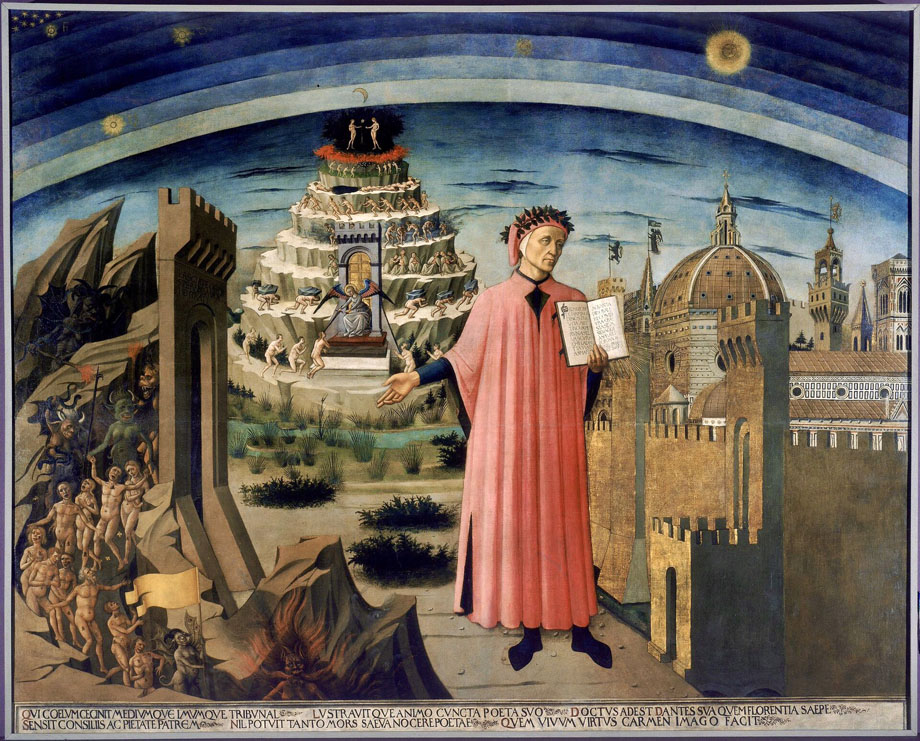
- Domenico di Michelino (1465): La Divina Commedia di Dante — A large fresco in Florence Cathedral showing Dante standing outside the city with the three realms of the afterlife depicted around him (Hell, Purgatory mountain, and celestial spheres). https://duomo.firenze.it/en/discover/cathedral/9143/domenico-di-michelino-dante-firenze-e-la-divina-commedia
- Luca Signorelli, The Damned Cast into Hell (1499–1504): Located in the Orvieto Cathedral, these frescoes were heavily influenced by Dante’s descriptions of physical suffering and the psychological weight of sin.
- Giovanni di Paolo, Paradiso Illuminations (1440s): For a stark contrast to the darkness of the Inferno, these 15th-century manuscript illuminations (now held at the British Library) use ethereal blues and golds to depict Dante and Beatrice moving through the celestial spheres.
18th–19th Century Romantics:
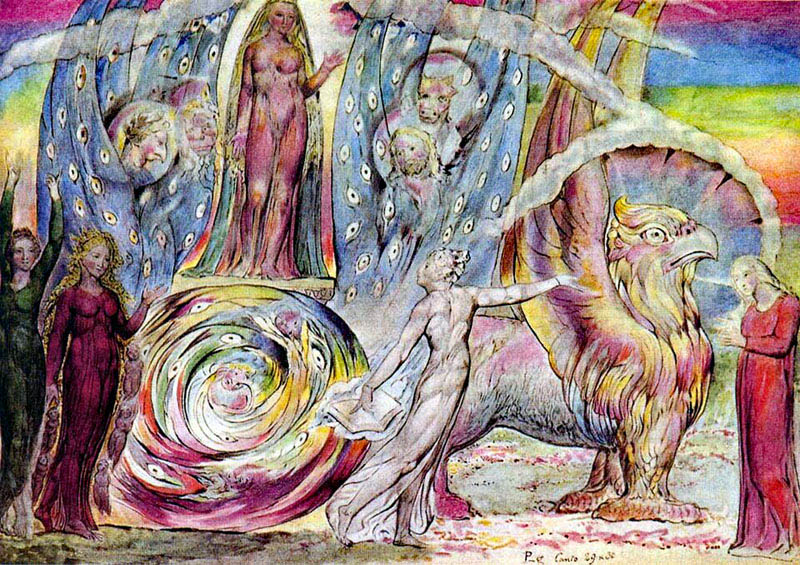
- William Blake (1824–1827): 102 watercolor drawings and sketches (with 7 engravings completed). Blake created these in his final years, blending his mystical style with Dante’s visions. Notable examples include The Circle of the Lustful: Paolo and Francesca and scenes of thieves attacked by serpents. Housed in collections like the Tate and others.
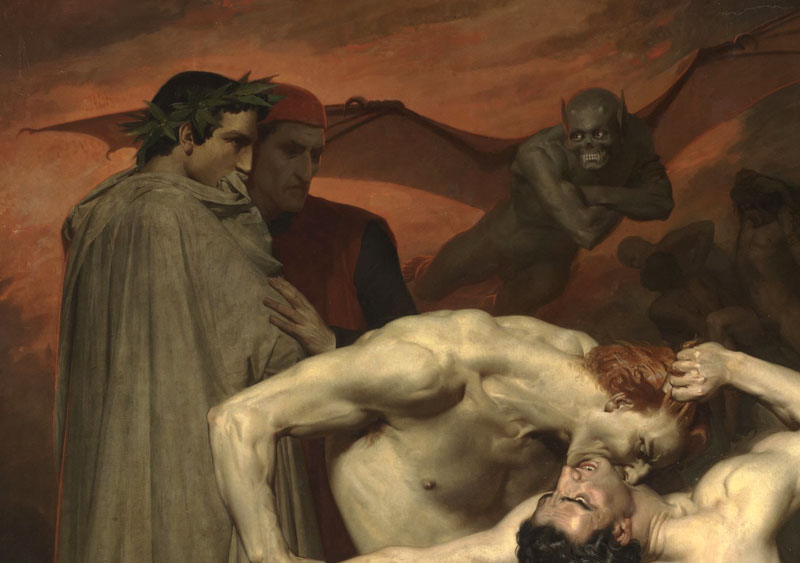
- Gustave Doré (1861–1868): over 100 dramatic, black-and-white engravings, the most extensive and widely reproduced series that are my favorite besides the painting by Bouguereau. Dore illustrated every canto with the dark, atmospheric Inferno plates (e.g., Satan in the ice of Cocytus, Paolo and Francesca in the storm), and lighter Purgatorio and Paradiso.
- Auguste Rodin, The Gates of Hell. A massive bronze sculptural group (over 6 meters tall) featuring figures like The Thinker (Dante) and The Kiss. Housed at the Rodin Museum.
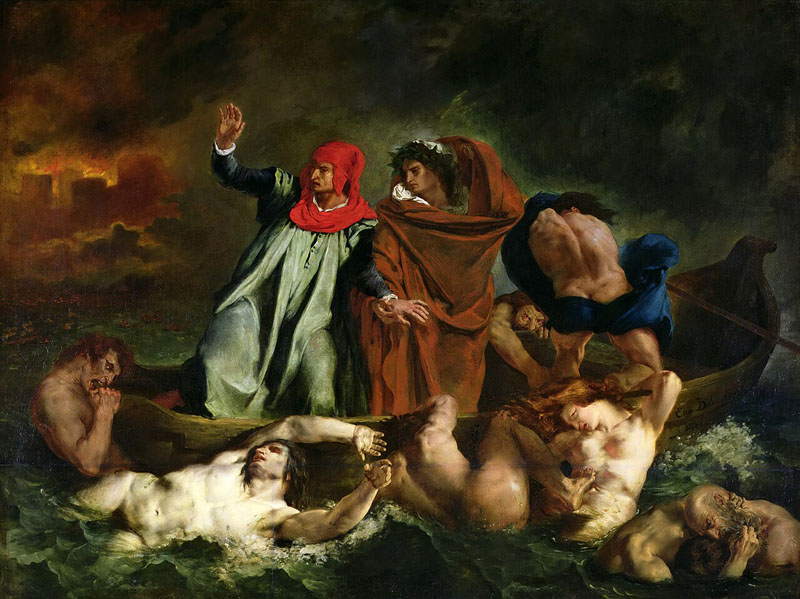
- Eugène Delacroix, The Barque of Dante (1822): This painting, currently in the Louvre Museum, depicts Dante and Virgil crossing the river Styx while the damned souls cling to their boat. It is a landmark of the Romantic movement, emphasizing movement and raw emotion.
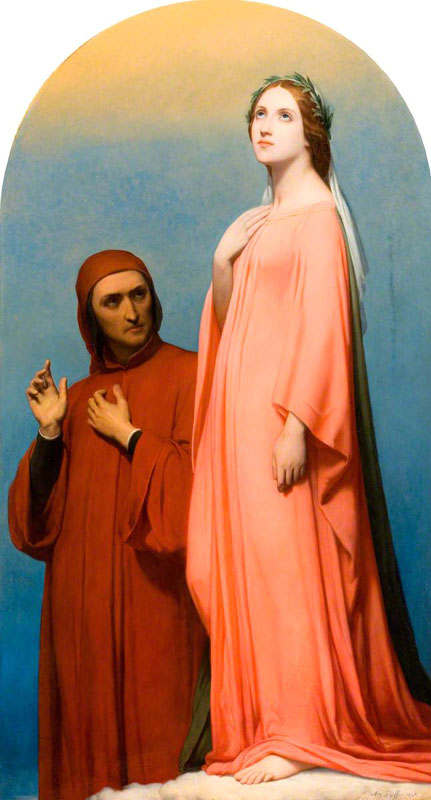
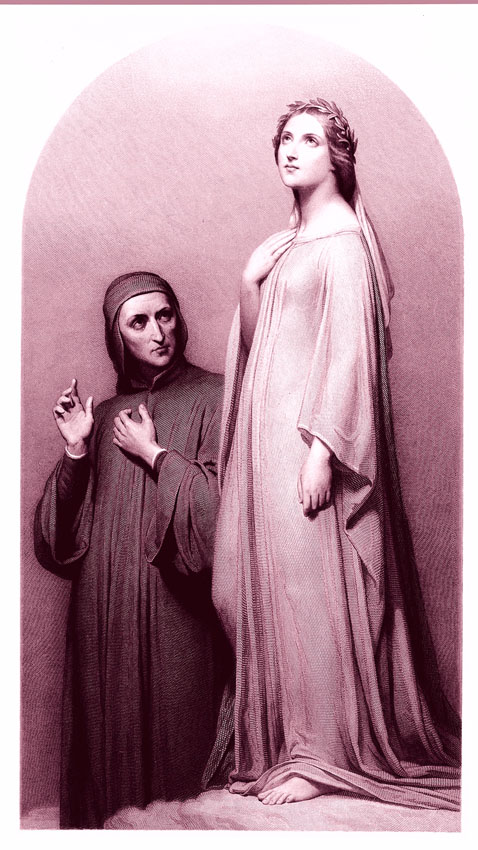
- Ary Scheffer, Dante and Beatrice (1851): While many artists focused on the horrors of Hell, Scheffer’s work (found in the Museum of Fine Arts, Boston) captures the more spiritual and serene relationship between the poet and his muse in the higher realms.
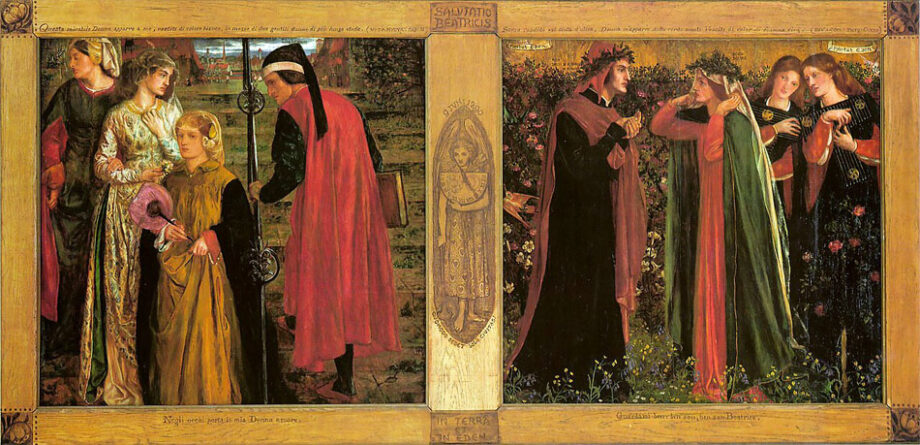
- Pre-Raphaelites: Dante Rossetti painted several images on the theme.
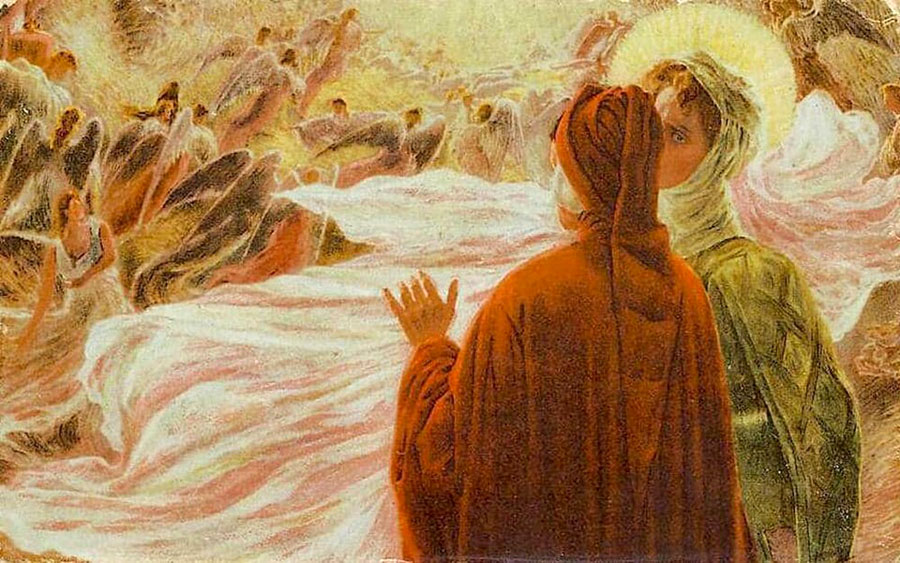
- Raffaele Giannetti (1837–1915), First meeting of Dante and Beatrice, 1877 https://commons.wikimedia.org/wiki/File:Raffaele_Giannetti_-_First_meeting_of_Dante_and_Beatrice.jpg
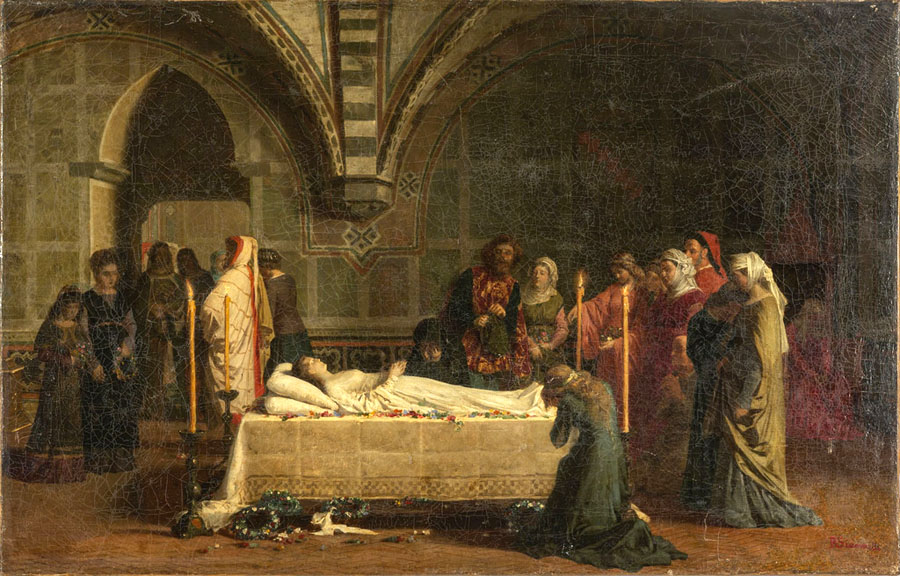
More Art
- John Flaxman (early 19th century): Neoclassical line drawings/engravings for a popular edition, influential for their simplicity and clarity. See every page here: https://archive.org/details/McGillLibrary-rbsc_la-divina-comedia_dante_folioPQ4329F551802-20446/page/18/mode/2up
- Bartolomeo Pinelli (early 19th century): 145 prints offering a detailed, dramatic interpretation.
- Stradanus (Jan van der Straet) (1587–1588): Sepia-toned prints of scenes from the poem.
- William Dyce, Dante And Beatrice, oil painting
- Eyre Crowe, The meeting of Dante and Beatrice (La Vita Nuova), oil painting
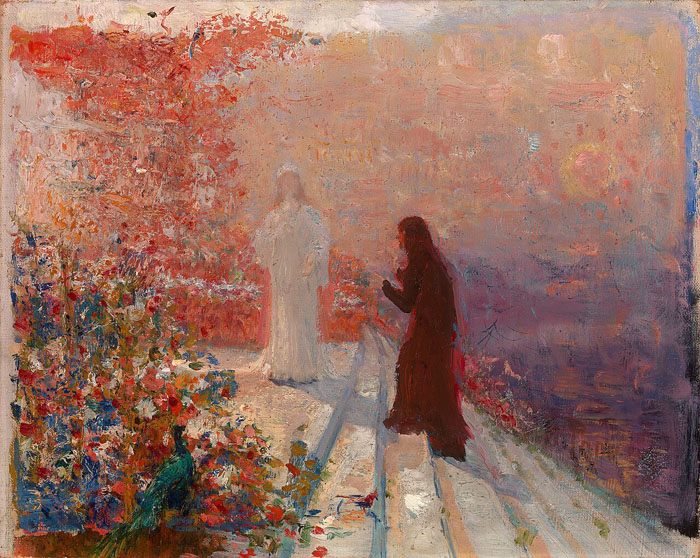
- Ruggero Focardi, Dante e Beatrice nel Paradiso Terrestre, oil painting
- Odilon Redon, Dante et Béatrice, watercolor, Uehara Museum of Art
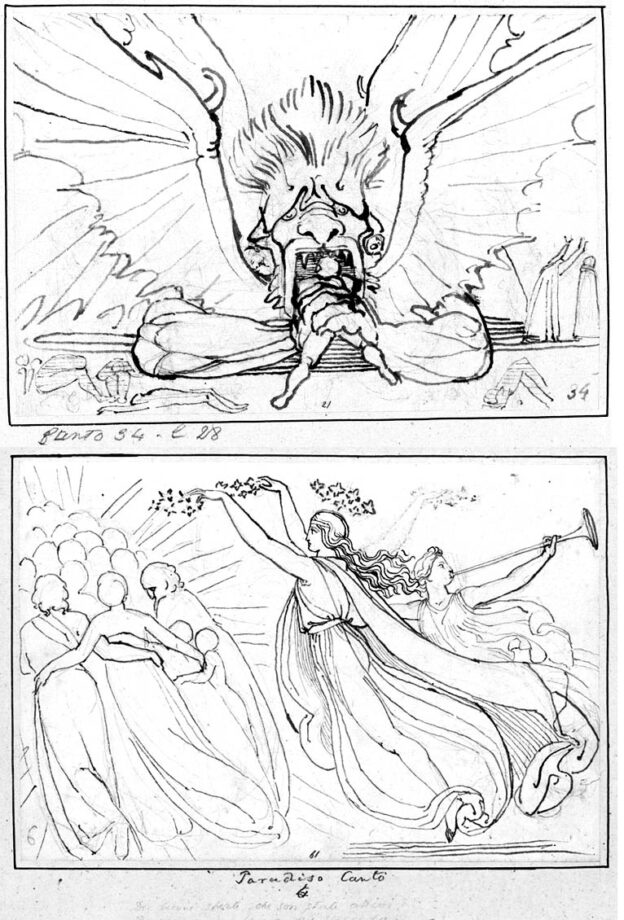
20th Century:
- Salvador Dalí (1951–1963): 100 watercolor illustrations (later turned into prints/wood engravings). A surrealist take commissioned to mark the 700th anniversary of Dante’s birth. Covers all three realms with Dalí’s dreamlike style.
- Bellagio, Lake Como – statue of Dante and Beatrice
Many other artists have created individual paintings or smaller series.
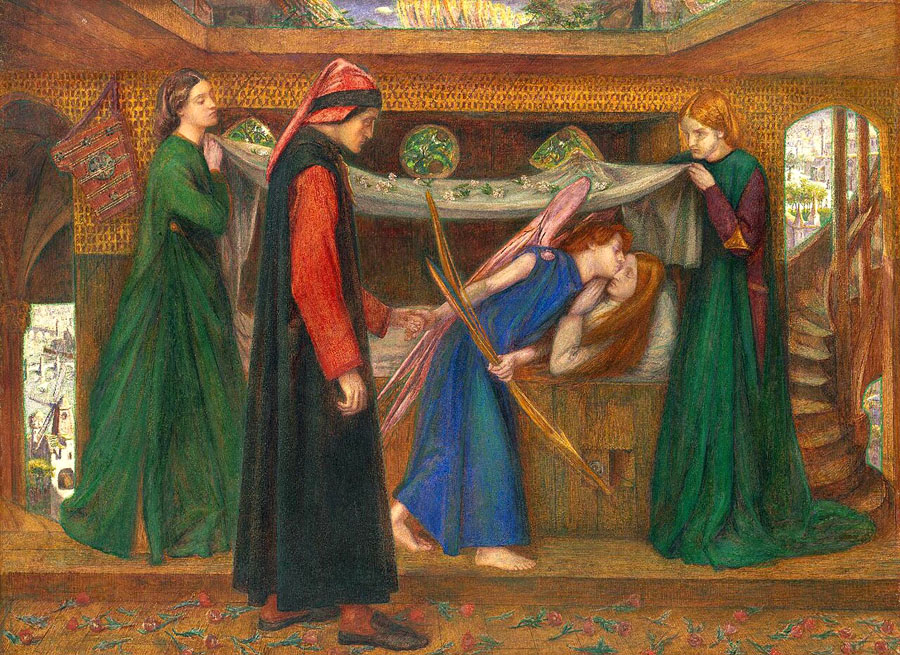
Museums and Historical Collections:
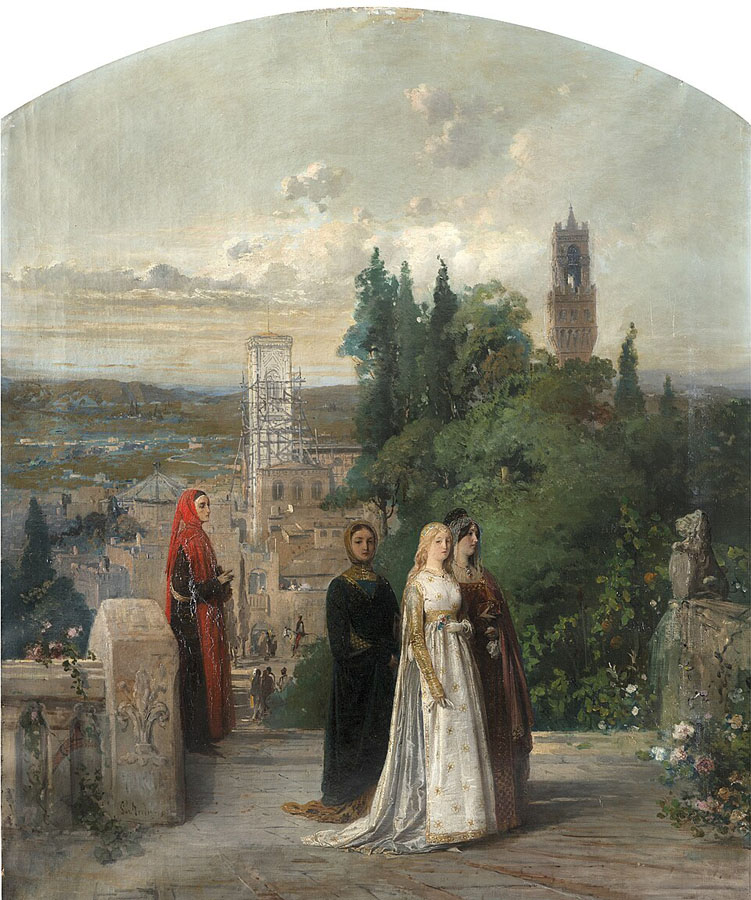
If you want to see the “historic accounts” in person, these institutions hold the primary evidence:
- The Dante House Museum (Museo Casa di Dante), Florence: Located in what is believed to be the district where he lived, this museum houses documents regarding his political life and the legal papers of his exile. https://www.museocasadidante.it/en/
- The Laurentian Library, Florence: Contains some of the earliest and most beautiful manuscripts of the poem, showing how the “story” was physically distributed before the printing press.
- The Classense Library, Ravenna: This city is where Dante finished the Paradiso and where he is buried. They hold significant historical records of his final years and his interactions with the local nobility that allowed him to finish his masterpiece.
- Free ebook: https://standardebooks.org/ebooks/dante-alighieri/the-divine-comedy/henry-wadsworth-longfellow
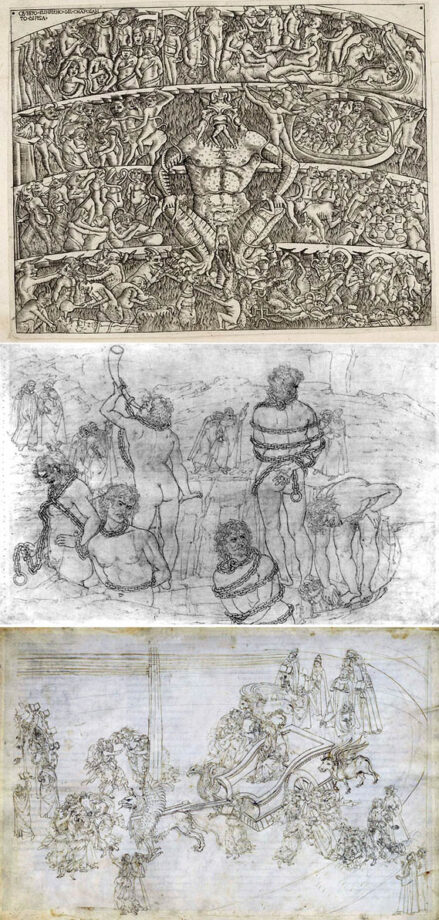
The Divine Comedy: Dante
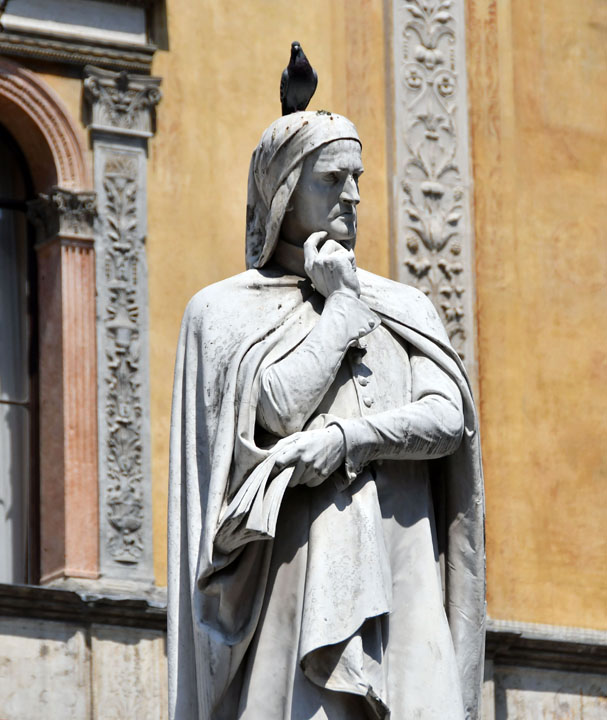
In the Divine Comedy, Dante is both the author and the protagonist. This dual identity creates a unique narrative where the character experiencing the journey is also the poet reflecting on it years later.
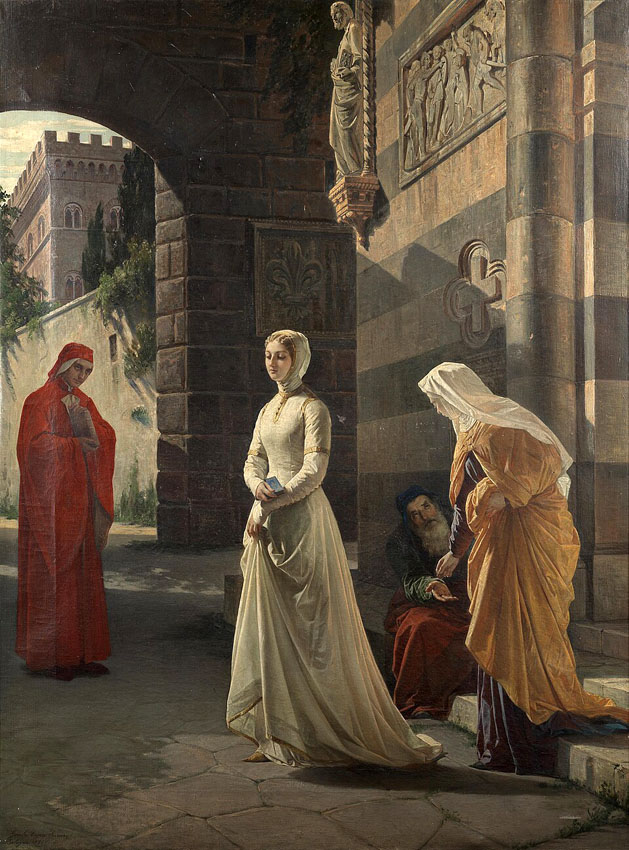
1. The Protagonist
At the start of the poem, Dante presents himself as a lost soul. He is not a hero of mythic proportions but an ordinary man who has gone astray. The poem begins in the middle of things. Dante doesn’t enter the afterlife through a traditional “gate of death.” Instead, he wakes up in a “Dark Wood”, having lost the “straight path” of righteousness.
- The Mid-life Crisis: He begins the poem with the famous line, “Midway upon the journey of our life,” placing him at age 35 (based on the biblical lifespan of 70).
- The Pilgrim: Throughout the journey, he is referred to as “The Pilgrim.” He reacts to the afterlife with very human emotions: he faints from pity in Hell, trembles in fear, and feels immense joy in Paradise.
- The Learner: His character arc is one of spiritual education. At first, he is often too sympathetic toward sinners, and Virgil must scold him, teaching him that divine justice is perfect and that he must align his will with God’s.
How the Souls Know He is Alive
The fact that Dante is a living man in a realm of spirits creates several dramatic moments throughout the poem:
- The Shadow: In Purgatorio, the souls are shocked because Dante casts a shadow. Since the spirits are made of “aerial bodies,” the sun passes right through them, but Dante’s physical body blocks the light.
- The Weight: When Dante climbs into Charon’s boat to cross the river Acheron, or when he is carried by the giant Antaeus, the poem notes that the vessels or arms sink under his weight. The spirits, being weightless, don’t move things the way he does.
- His Breath: Souls in the Inferno notice he is breathing, which is a sign of life that immediately draws their attention (and often their envy or anger).
2. The Political Exile
Dante wrote the poem while in actual, physical exile from his home city of Florence. This real-world trauma heavily colors his character in the poem.
- The Prophecies: Since the poem is set in 1300 but written years later, the “character” Dante hears many “prophecies” from souls in the afterlife about his upcoming exile and the political corruption of Florence.
- The Judgment: By placing real-life political enemies—including Popes and Florentine leaders—in Hell, the character of Dante acts as a moral judge, using the poem to find the justice he was denied in his own life.
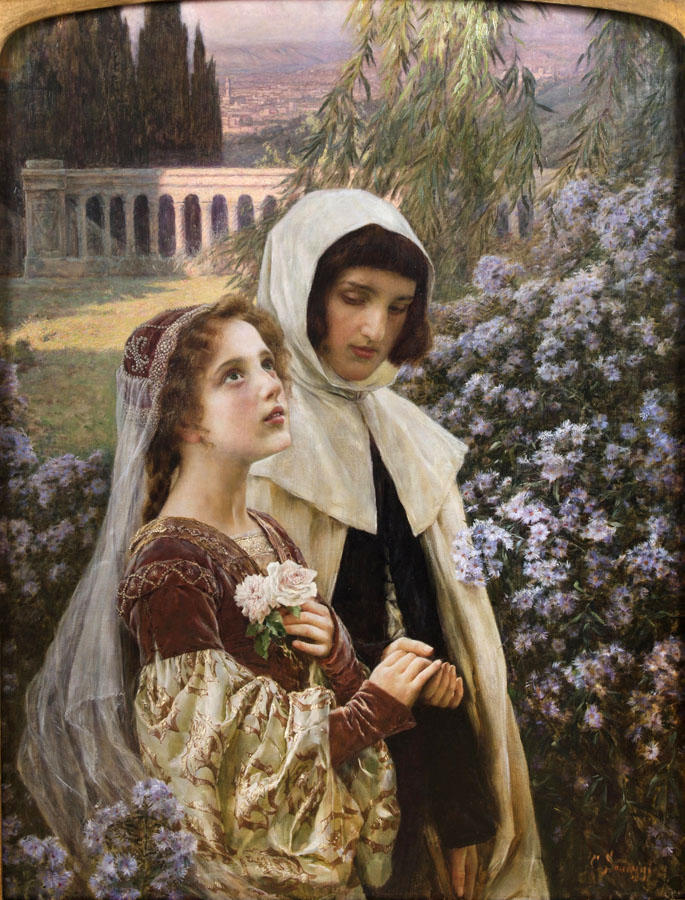
3. The Lover (The Connection to Beatrice)
Dante’s primary motivation for the journey is his love for Beatrice.
- In the poem, Beatrice (a woman Dante loved in real life who died young) looks down from Heaven, sees Dante lost in the “dark wood” of sin, and sends Virgil to rescue him. As he tries to climb a sunlit mountain, he is blocked by three beasts (a leopard, a lion, and a she-wolf). From Heaven, Beatrice sees his distress and asks the Virgin Mary and Saint Lucia for help. They authorize Virgil to descend from Limbo to find Dante.
- His identity is defined by this “Courtly Love” transformed into divine devotion; he endures the horrors of Hell specifically so he can eventually see her again in Paradise.
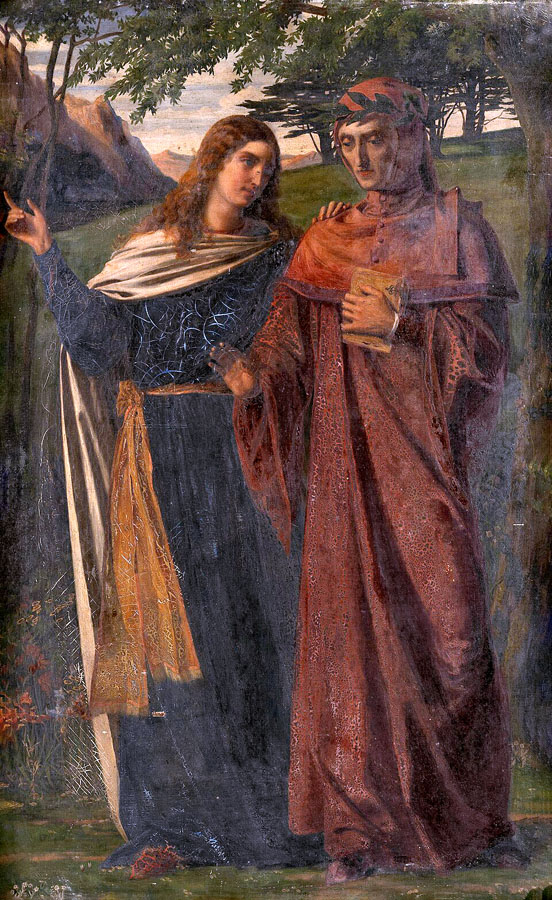
Symbolic Meaning of “Dante”
Unlike the shades (ghosts) he meets, Dante has a physical body that casts a shadow and makes the ground move, symbolizing that he still has the “weight” of mortal life and the opportunity to change.
The Permission: Virgil explains to Dante—and later to the various demons and guardians of Hell—that Dante’s journey is willed by God. He is being granted a rare, “special grace” to see the afterlife while still in his mortal body so that he can return to Earth and warn others.
He represents the Human Soul. His journey from the depths of Hell to the heights of Heaven symbolizes the potential for any person to achieve salvation through self-reflection and grace.
As a poet, he is the “vessel” for the story. By the end of the poem, he is charged by the saints to return to Earth and write down everything he saw to help others.
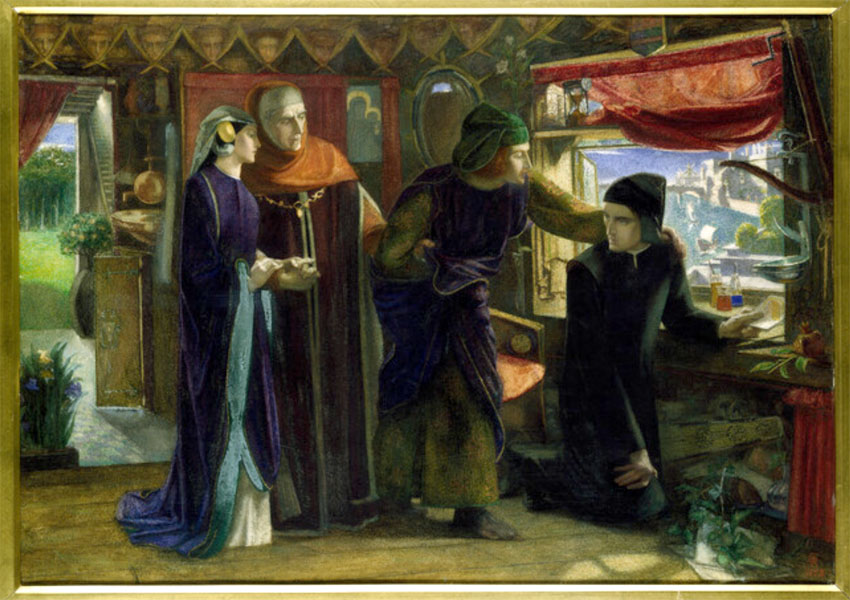
How and why Dante came up with the story
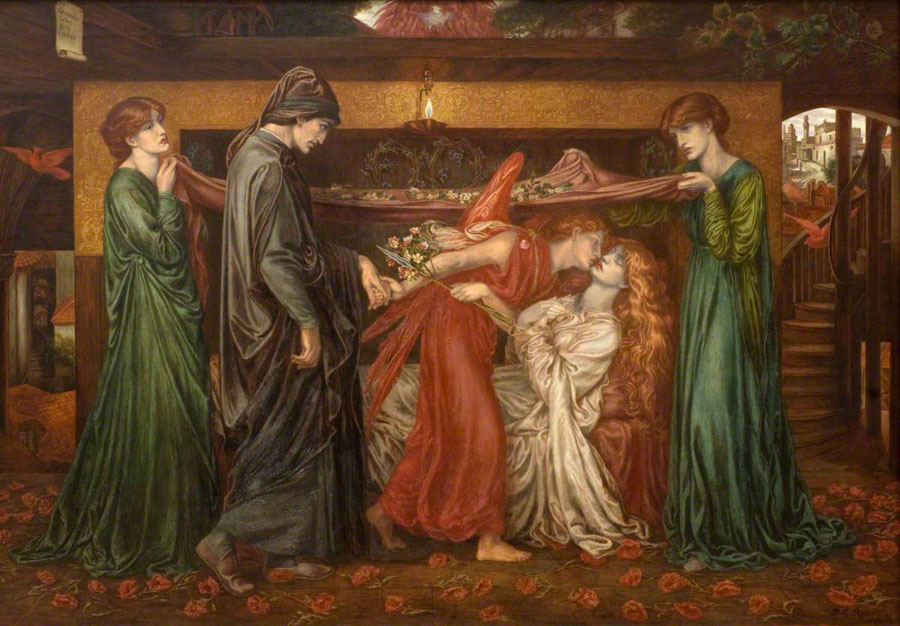
Historians and literary scholars point to a perfect storm of personal tragedy, political bitterness, and medieval philosophy that forced the Divine Comedy into existence. The story was forged through several events including his exile in 1302, and the popularity of vision literature (heaven and hell).
The most direct historic “account” of why he wrote this story is his own political downfall. Dante was a high-ranking politician in Florence. When a rival faction (the Black Guelphs) took power, he was falsely accused of corruption, fined, and sentenced to be burned at the stake if he ever returned. He spent the rest of his life wandering from city to city. Scholars believe the Divine Comedy was his way of “reconstructing” the world he lost. By creating an afterlife where he was the judge, he could punish those who had betrayed him and find a higher sense of justice that the earthly courts had denied him.
There is a famous historical document called the “Letter to Cangrande della Scala” (Dante’s patron in Verona). In this letter, Dante explains his own intent: He states the poem is meant to “remove those living in this life from a state of misery, and to lead them to a state of happiness.” He confirms that the story should be read on four levels: literal, allegorical, moral, and anagogical (spiritual).
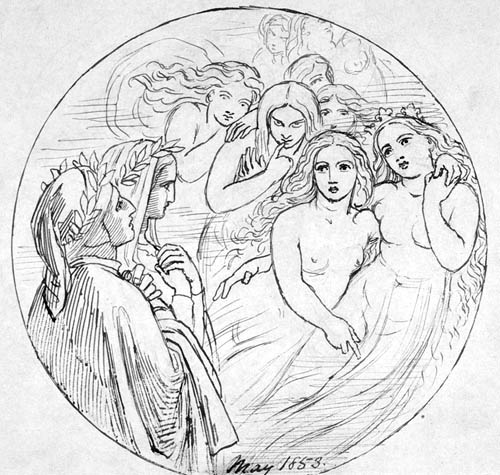
Dante Depictions in Art
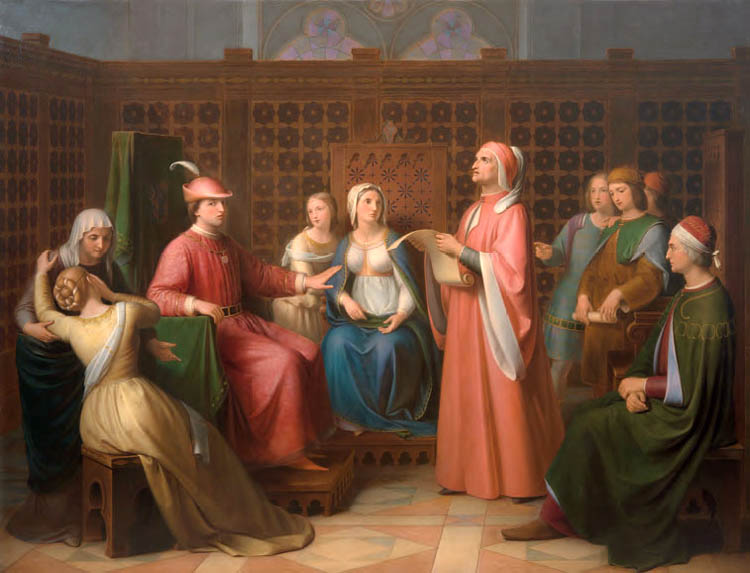
Dante is almost always depicted in art wearing a red robe and a laurel wreath (the symbol of a master poet). In the Palazzo Vecchio in Florence, you can see the “Cenotaph of Dante.” While his physical remains are actually in Ravenna (due to his exile), Florence treats him as a perpetual “living” presence through their monuments.
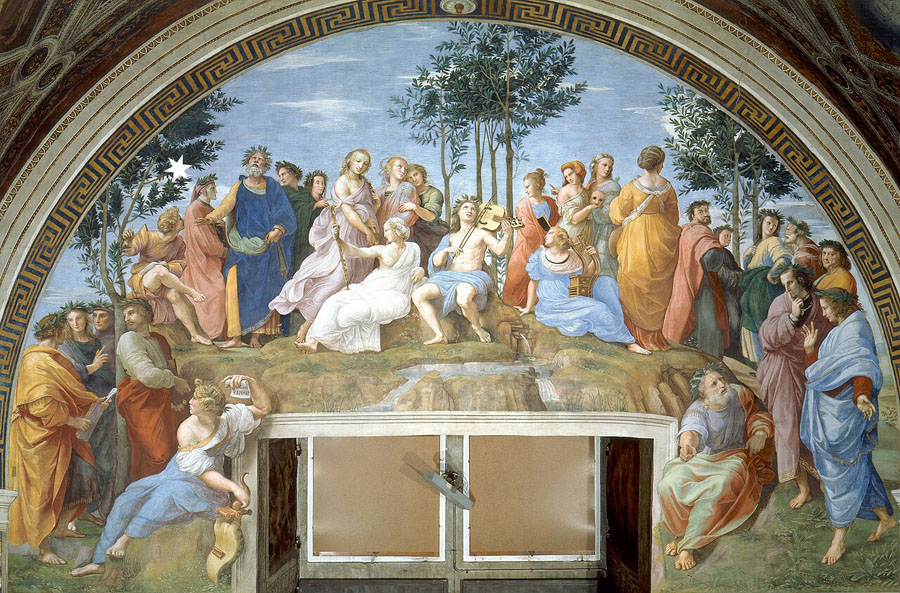
- Raphael, The Parnassus (1511): Located in the Vatican Museums, this fresco shows Dante among the greatest poets of history.
- The “Dante Mask”: Several museums, including the Palazzo Vecchio in Florence, display what was long thought to be Dante’s death mask, though it is now considered a 15th-century commemorative sculpture. It captures the hooked nose and somber expression that have become his definitive look.
- Dante Gabriel Rossetti, The First Anniversary of the Death of Beatrice: This painting illustrates the “historic” grief that eventually led to the Divine Comedy. View at the Ashmolean Museum.
- Federico Zuccari, Dante in the Dark Wood: Part of a rare collection at the Uffizi Gallery, these drawings show the poet in his study, bridging the gap between his historical reality and his fictional journey.
- William Blake, Dante Running from the Three Beasts: This watercolor captures the moment a living, terrified Dante realizes he is lost. View at the Tate Modern.
- Gustave Doré, The Dark Wood: One of the most famous illustrations, showing a physical Dante looking small and vulnerable among giant, gnarled trees. https://rmc.library.cornell.edu/visionsofdante/art_dore.php
- Filippino Lippi, Allegory: Various Renaissance depictions often show Dante holding a book, bridging the gap between the “Living Poet” and the “Divine Journey.”
- Dante by Dali: https://rmc.library.cornell.edu/visionsofdante/art_dali.php
- Dante gazes at Mount Purgatory in an allegorical portrait by Agnolo Bronzino, painted c. 1530, Gallery of Art, Washington DC
The Divine Comedy: Virgil
Virgil (70–19 BCE) was a classical Roman poet, widely considered one of the greatest writers in Western history. While he is a central character in Dante’s Divine Comedy, he was a real historical figure who lived more than 1,300 years before Dante. Born Publius Vergilius Maro near Mantua, Italy, Virgil lived during a period of intense political upheaval as the Roman Republic transitioned into the Roman Empire.
His most famous work is an epic poem commissioned by the first Roman Emperor, Augustus. It tells the story of Aeneas, a Trojan hero who traveled to Italy and became the ancestor of the Romans. The poem was designed to provide Rome with a grand national origin story and to legitimize Augustus’s rule.
During the Middle Ages, Virgil was viewed with almost mystical reverence. Many Christians believed his Fourth Eclogue—which foretold the birth of a child who would bring a new Golden Age—was a pagan prophecy of the birth of Jesus Christ. This “Christianizing” of Virgil made him an acceptable and beloved figure for medieval writers like Dante.
Virgil’s Role in the Divine Comedy
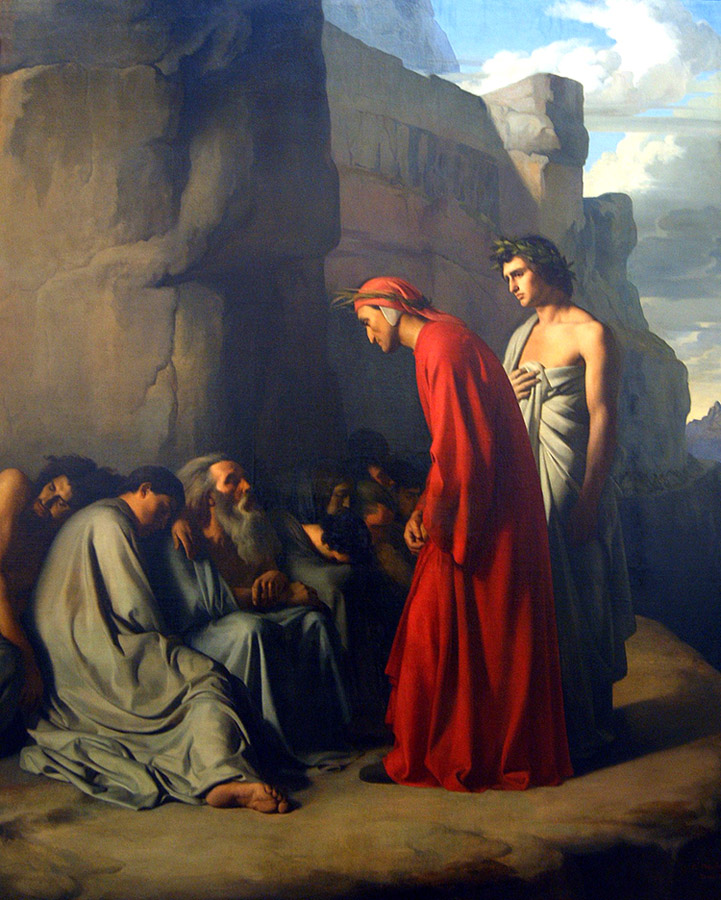
In the poem, Virgil serves as Dante’s guide through Inferno and Purgatorio and a protector. Dante’s choice to use him was purposeful and symbolic:
- The Voice of Reason: Allegorically, Virgil represents human reason and classical wisdom. He can guide Dante through Hell and Purgatory because reason can recognize sin and the need for repentance.
- The Mentor: Dante refers to him as “Master” and “Author,” crediting Virgil’s poetry as the primary influence on his own writing style.
- The Limitation of Reason: Because Virgil was born before Christ and never knew “the true way,” he cannot enter Heaven. He represents the highest level of achievement possible for a human without divine grace (faith).
- The Farewell: At the summit of Mount Purgatory, Virgil must disappear. He is replaced by Beatrice, who represents Divine Revelation/Theology, as reason alone is insufficient to comprehend the mysteries of Paradise.
To the real-life Dante, Virgil was the “Prince of Poets.” Dante’s primary historical goal was to prove that the Italian language of the common people could be just as noble as Latin. When Virgil eventually disappears at the end of Purgatorio, Dante weeps. It is one of the most heartbreaking moments in literature because it signifies the moment where “thinking” is no longer enough, and “feeling/believing” must take over. The “second meaning” (or allegorical layer) of Virgil is that he represents Human Reason. In the medieval worldview, God granted humans “Natural Reason” to understand the world, ethics, and justice even without the Bible.
- Why Virgil guides through Hell: Reason is sufficient to understand that sin is destructive. You don’t need a miracle to see that greed or violence leads to misery; you only need a clear mind.
- Why Virgil guides through Purgatory: Reason can help a person discipline themselves and build better habits (virtue).
- The “Tragedy of Virgil”: The most profound second meaning is that Virgil represents the limitation of the human mind. He can lead Dante to the edge of Heaven, but he cannot enter. This symbolizes the belief that while science, philosophy, and logic are great, they cannot bridge the final gap to the “Divine”—that requires Faith (represented by Beatrice).
There is a fascinating historical “second meaning” to Virgil known as the Messianic Eclogue. In his real-life Fourth Eclogue, Virgil wrote about a “child” who would be born to bring peace to the world. Medieval Christians (including Dante) believed Virgil had accidentally prophesied the birth of Jesus. Because of this, Virgil’s role in the poem is that of a “Pagan Prophet”—a man who held the light up for others to see the way, even though he remained in the dark himself.
Virgil’s depictions in Art
- https://www.ashmolean.org/collections-online#/search/simple-search/virgil/%257B%257D/4/16/_score/desc/catalogue
- William Blake, Virgil Rescuing Dante from the Three Beasts in Tate Britain https://www.tate.org.uk/. Shows Reason (Virgil) physically pulling the Human Soul (Dante) away from the animal instincts of the “beasts.”
- Raphael, The School of Athens in the Vatican Museums. the placement of classical figures near Dante in the Parnassus nearby emphasizes Virgil as the peak of human logic.
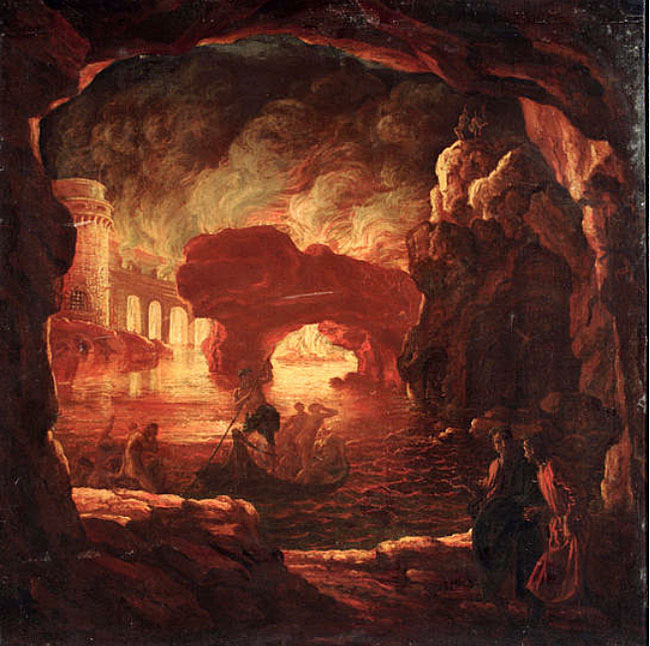
- Gustave Doré, Virgil and Dante looking into the Geryon Abyss. Virgil is always shown standing taller and more composed, symbolizing the steady nature of Reason in the face of chaos.
The Divine Comedy: Beatrice
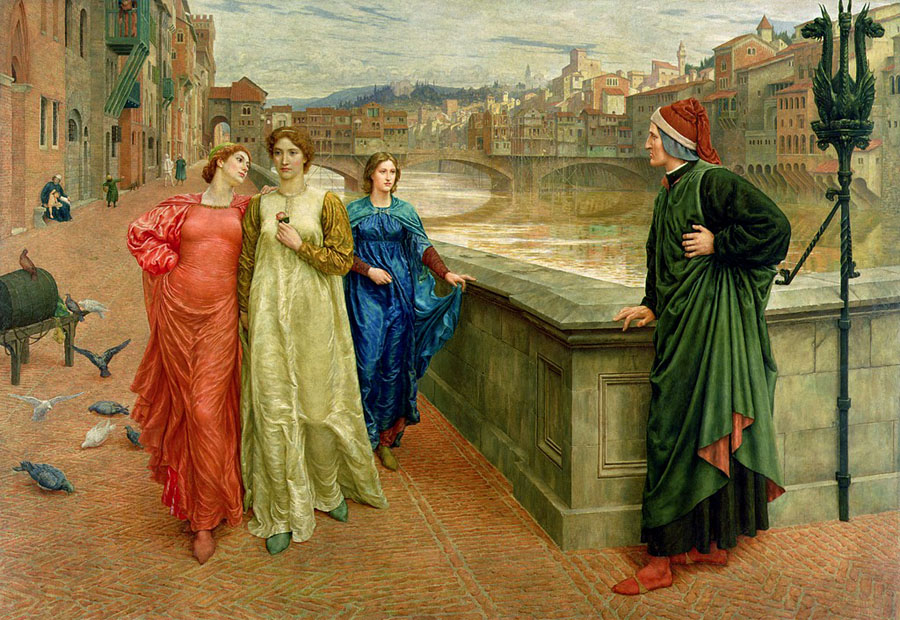
Long before he wrote the Comedy, Dante wrote La Vita Nuova (The New Life), a collection of poems about his unrequited love for Beatrice Portinari. When she died young (around 1290?), Dante was devastated. At the end of La Vita Nuova, he promised he would one day write of her “what hath never been written of any woman.” The Divine Comedy is the fulfillment of that promise. He “invented” the journey through Hell and Purgatory essentially as a massive narrative bridge to reach the Beatrice he had lost. So Beatrice represents everlasting Love as she is priestess of love and angel of salvation.
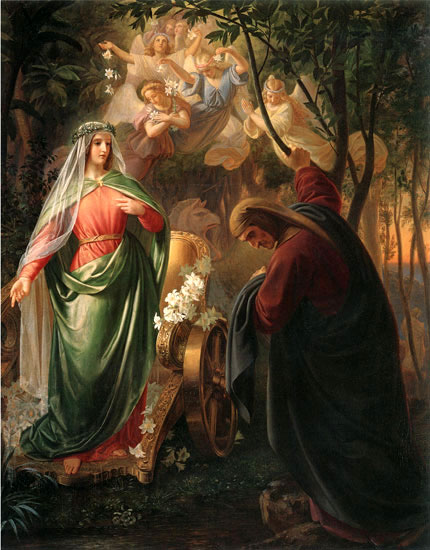
In Gustave Doré’s wood engravings for Purgatorio (Canto 30 and 31 located at Cornell University Library)
Beatrice chastises him for having loved others after her death. In Canto 31, she offers Dante forgiveness through a second baptism, plunging him in the waters of Lethe (λήθη = the river in Greek mythology whose name means “oblivion.”)
Why the Divine Comedy is a masterpiece
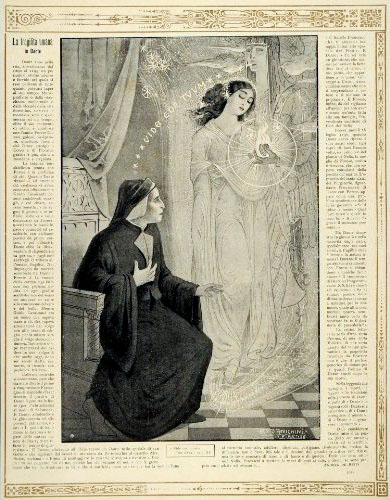
Here is why I find the Divine Comedy a masterpiece. Dante’s writing is highly symbolic and visionary: the journey mirrors the soul’s moral and spiritual progress, with Virgil representing reason (limited to lower realms), Beatrice divine grace/theology, and numerical/symbolic structures (3 for Trinity, 7 for sins/virtues) tying into Christian theology and medieval cosmology.
The Divine comedy has profound meaning. We-humans have freewill to live and create life we want to inhabit. We are not machines or creatures with pre-determined fate. While it’s easy to engage in treachery and fraud, to steal or betray, it takes effort to imagine, build, nurture, and create life that expands our universe. Some people choose to end up in the circles of Hell, while others make a decision to aspire to a better life via love and devotion.
The Divine Comedy emphasizes the divine spark inside our souls. Dante walks in the heavenly realms with Beatrice, his love. The realms emphasize justice, freewill, love (perverted in Hell, purified in Purgatory, perfected in Heaven), and the ultimate goal of union with the divine. We save ourselves by love through giving, and that’s how we reach the heavens. Sometimes we get lost in problems and difficulties spiraling to the circles of hell inside us, but it’s Love that gives our life meaning and return to God.
Explanation by the Predictive History:
I find this poem difficult to comprehend due to ancient language in translation. I think Professor Jiang from “Predictive History” gives a very good explanation of this poem. You can watch his lecture here:
Art books from the artist: