Why Edinburgh Feels Like a Fantasy Novel
I didn’t come to Edinburgh to make a travel video… I came because this city feels like someone painted my dreams and forgot to wake me up. I spent 3 days in Edinburgh, and it felt like stepping into a painting. Hi, I’m Veronica Winters, an artist who chases light in visionary art.
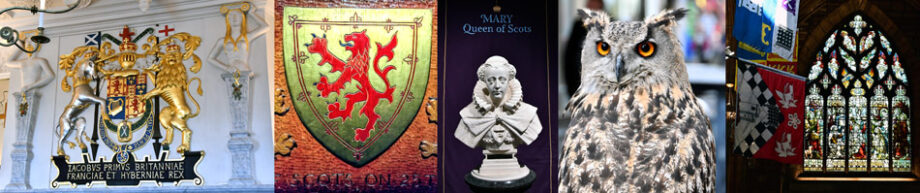
And Edinburgh? It’s a pure fantasy novel for painters. Every corner begs to be sketched. Cobbled streets are older than some countries. Giant stone buildings rising to the sky like they’re telling history about the 16th century. I thought I saw beauty… until Edinburgh burst me open.
Edinburgh’s history unfolds like a painting in layers of volcanic rock, smoke, and northern light. The city began on an extinct volcano that became Castle Rock around 8500BC. By the 7th century, a hillfort- Din Eidyn crowned it. That dramatic silhouette—steep, dark, monumental, unyielding—has obsessed artists ever since.
Pro tip from a creative visitor: Bring a tiny watercolor kit to sketch the colossal castle-like city, palace, and parks in May or June, the best time of the year. Visit the Scottish National Galleries for more inspiration. They are free. The 19th and 20th centuries brought the Scottish Colourists together to paint the northern beauty. (I have a separate video about the best art inside the Scottish National Gallery. Watch it next!)
In the Middle Ages, the immortal town clung to the ridge between castle and Holyrood like a dark brushstroke. Houses rose to 6 storeys in vertical stacking, leaning over narrow closes so tightly that daylight barely reached the cobblestones. Craftsmen and tradesmen alike lived in limited spaces of vertical chaos, monumental houses built upward to accommodate the growing city. By the 1500s, Edinburgh was Scotland’s capital, a crowded, stinking, brilliant place.
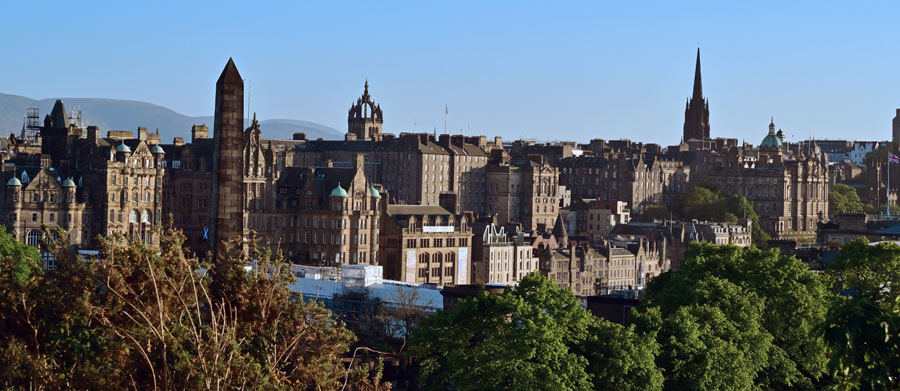
Edinburgh is even more beautiful than in the movies. Forget the guidebook highlights for a second. Walk down the Royal Mile– enormous stone houses, lovely people, pure magic. This place feels like The Lord of the Rings, but five minutes from Starbucks.
Mary King’s Close or The Vaults tour doesn’t allow photography or video inside, but offers a glimpse into hardship, sickness, work, and hope of Scottish people centuries ago.
Visit one of the most beautiful, medieval churches in Europe -St Giles on the High Street, unique stained glass windows and Scottish spirit. Founded in 1124 by King David I, the rising church over the Royal Mile has been open for over 900 years.
St Giles’ Cathedral History
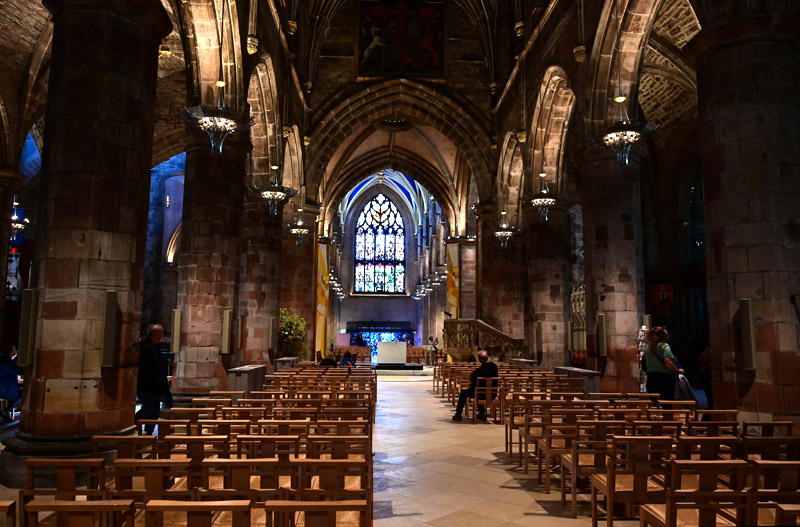
- Early Origins: Began as a small Romanesque church, possibly founded around 1124, with its site used for worship for centuries before the current structure.
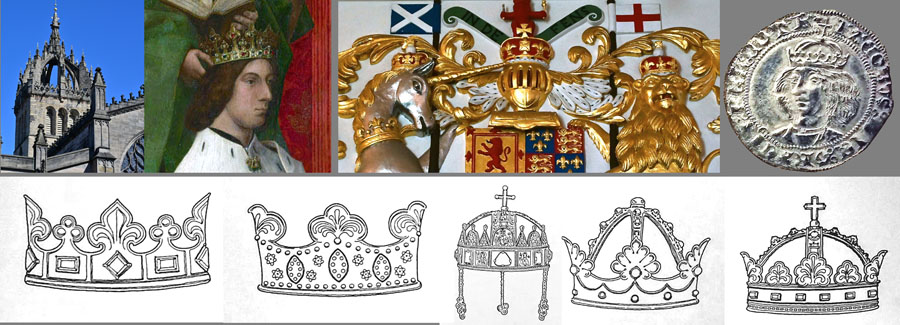
- Fire & Rebuilding: Severely damaged by fire in 1385, most of the building was rebuilt in the 14th/15th centuries, featuring its iconic crown-shaped tower added in the 1490s.
- Scottish Reformation: Became the center of Scottish Protestantism, with John Knox preaching there after 1559; it was subdivided into multiple churches under one roof.
- Covenanters & Royal History: Site of significant Covenanter events, it hosted state funerals, including that of the Marquis of Montrose, and witnessed royal drama, including riots over a new prayer book.
- Current Status: Now known as the High Kirk, it’s a working church of the Church of Scotland, not technically a cathedral as it lacks a bishop, but remains central to Scottish life.
The Thistle Chapel (Added 1909-1911)
- Purpose: Scotland’s only private chapel for the Order of the Thistle, the nation’s highest chivalric order, founded by James III.
- Design: Created by architect Robert Lorimer, it’s a masterpiece of Scottish Gothic, filled with heraldry, stalls for knights, and unique features like angels playing bagpipes.
Walk through Greyfriars Kirkyard at twilight. Visit a Harry Potter store and cafe to experience magic.
Hike Arthur’s Seat in Holyrood Park. This ancient extinct volcano offers breathtaking views of the palace and busy Scottish city life. See changing exhibitions from the Royal Collection in the Palace of Holyroodhouse, featuring old master paintings, rare furniture, decorative arts and images from the vast photograph collection.
Another high point of the city is Calton Hill, the headquarters of the Scottish Government. Quiet moments on Calton Hill can’t be skipped. An entire fortress city spreads below in the picture-perfect, warm, welcoming sunset.
Visit the castle standing on Castle Rock since the Iron Age. The immortal castle shares historical conflicts, wars, and the Crown Jewels of Scottish monarchs with numerous visitors today. At the top, the city spreads beneath you like someone spilled diamonds across black velvet. Powerful. Emotional. Real. Depending on the hour, you can enjoy a colorful play of brown-stone streets, green trees, and deep blue sea and sky. I came up here to make a discovery and snap pictures for my future art, but realized the city had already been painting me.
Edinburgh faced political decline after 1603 when the court moved to London. And in 1767, a young architect, James Craig, won a competition to build a New Town across the valley. Broad streets, elegant squares, pale sandstone terraces—Edinburgh suddenly had perfect neoclassical bones beneath its Gothic skin. It became the center of culture and finance.
If you have three hours, visit the National Museum of Scotland, a fascinating blend of Scottish medieval history, culture, archeology, geology, science, technology, art, and curiosity.
Long Nights that made me smile. Eat: Cullen skink (Cullen skink is a thick, creamy traditional Scottish soup made primarily of smoked haddock, potatoes, and onions), haggis (made with sheep’s heart, liver, and lungs), Scotch pies, millionaire shortbread, anything with whisky in it. Drink: Hot chocolate with Baileys when you feel cold. Listen: There’s live traditional music every single night. Let it mesmerize you.
In the late eighteenth century, Scotland experienced cultural revival. Scientists like the chemist Joseph Black and engineers like James Watt became leaders in science and industrialization. Scientific and industrial changes somewhat eroded the religious beliefs that had previously guided society for centuries.
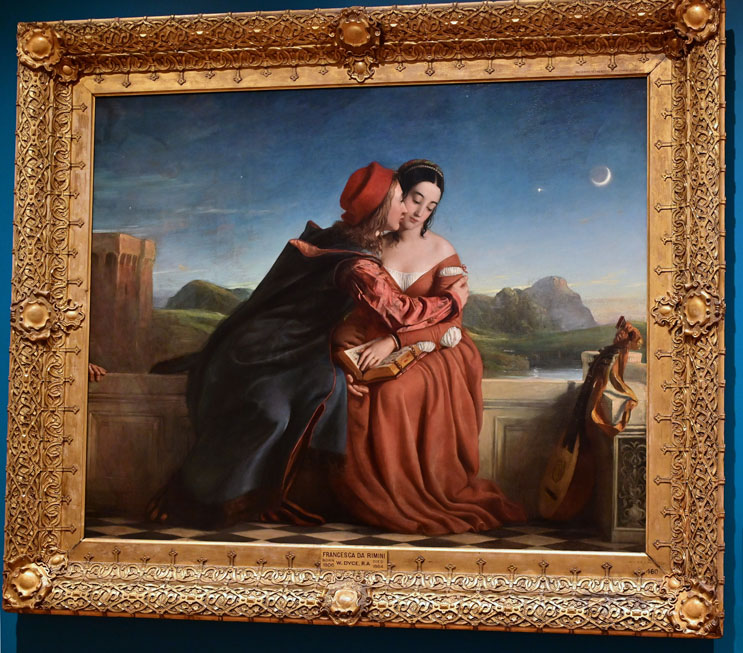
Intoxicating Romanticism arrived with Sir Walter Scott and Robert Burns in literature. He mythologized Scotland’s past and turned Edinburgh into a stage set of tartan and legend. The Scott Monument (1844), a soaring Gothic spire on Princes Street, still looks like something drawn in pen and ink by a fevered Victorian hand. The ancient city rises over the sunlit trees like in a medieval manuscript.
In the late 19th century, people expressed a lot of interest in artists and their craft. Local and national artists were raised to a celebrity status, sharing their behind-the-scenes painting process in their studios that generated and convinced art collectors to make a sound investment in art. After all, these marketing principles stay the same across decades and even centuries.
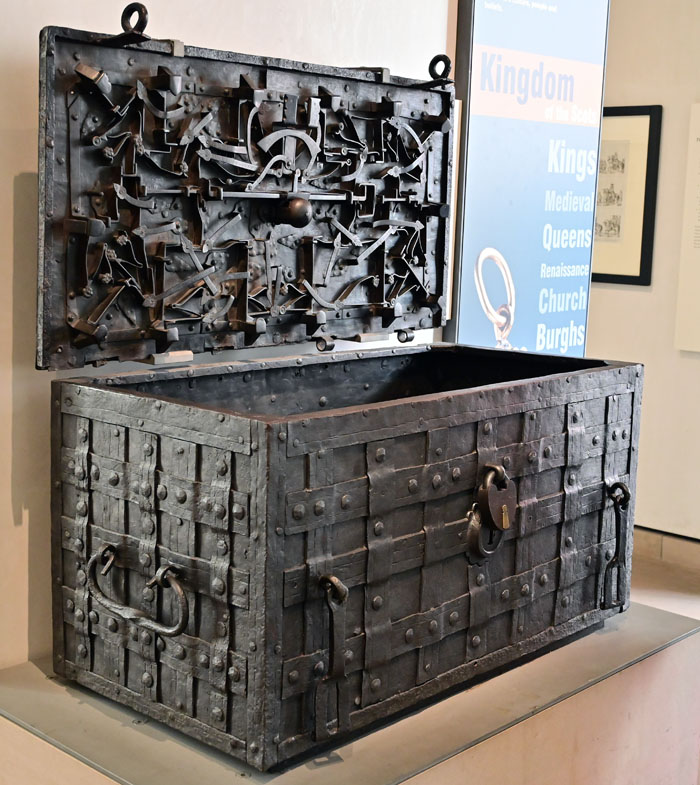
Edinburgh felt Like stepping into a Painting. The whole city is a living canvas—performers, painters, tourists spilling into the streets. For centuries, artists have tried to capture it and never quite succeeded. The city always keeps one shadow, one slant of light, one impossible angle still waiting to be drawn.
You can’t call Edinburgh a regular European town. It’s haunted, proud, ancient, mysterious, beautiful, alive. It makes you want to create. It makes you fall stupidly in love with a city you just met.
I did take a ton of pretty pictures. But Edinburgh gave me more than awesome views. It reminded me why I started painting in the first place. If you’re tired, lost, or just need to feel something again… come here. This city still believes in light, Love, and magic. And for 3 days, it made me believe again, too.
So if you’ve ever wanted to feel like the main character in a novel…Come here. Bring a sketchbook and an open heart. Edinburgh will do the rest. The most fascinating city in Europe is yours. i can promise you that Edinburgh is Even More Beautiful Than the Movies.
Drop a heart if this city lives in your soul now, too.
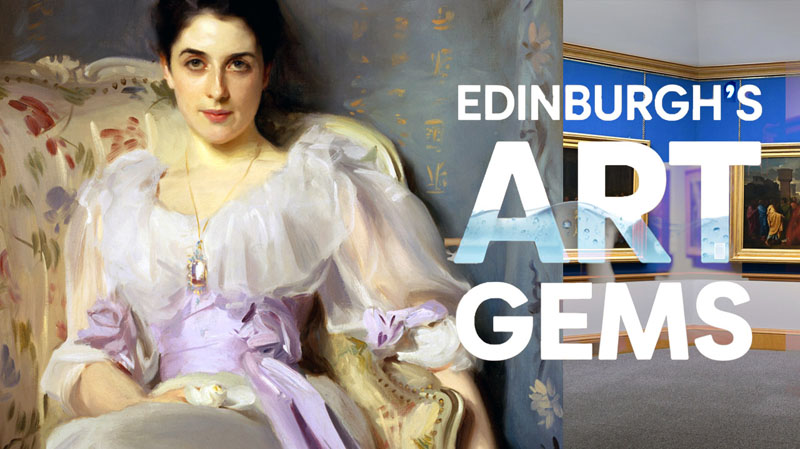
Reformation to Revolution in Scotland
*The following information comes from the museum’s description in Scotland.
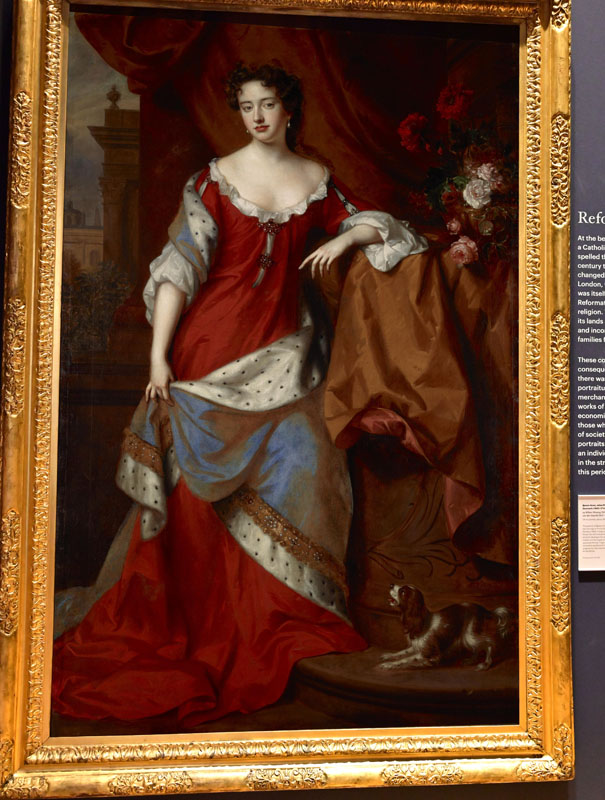
At the beginning of the sixteenth century Scotland was a Catholic state governed by the Stewart dynasty (who later spelled their name Stuart). By the close of the seventeenth century the monarchy, church and parliament had all changed drastically. After 1603 the Stuarts, now based in London, were absentee rulers, and the nature of kingship was itself increasingly contested. The huge upheavals of the Reformation saw Protestantism become the nation’s official religion. The collapse of the old church and the dispersal of its lands and wealth brought about a major shift of power and income: new landed classes vied with established noble families for status and influence.
These complex changes had important cultural consequences. With religious painting no longer acceptable there was an increase in demand for secular art forms, portraiture in particular. This coincided with a growing merchant and professional class beginning to commission works of art to display their increased ambition and economic strength. Painted portraits were expensive, and those who acquired them came from the wealthiest levels of society, both old and new. These men and women used portraits to assert ideas of social status as well as to record an individual likeness. Their images played a significant role in the struggles for power, identity and nationhood during this period.
.
Between 1760 and 1860, Scotland’s place in the world was dramatically transformed. With the collapse of the Jacobite cause after the Battle of Culloden in 1746, Scots became less politically divided and began to focus instead on cultural, economic and personal advancement.
Edinburgh and Glasgow became centers of philosophical and scientific thought. Scotland’s trade with Britain’s vast overseas Empire expanded dramatically. ‘Improving’ landowners and adventurous entrepreneurs developed new products and processes. With growing confidence and ambition, Scots now took their place across the wider world as soldiers, sailors, and traders; as poets, novelists, and artists; and as politicians and administrators. And while they did so they took increasing pride in their own identity, a development that bore fruit in the poetry and novels of Scotland’s great romantic writers. But this transformation came at great cost. The new imperial economy was built on slavery and warfare, while industrialization destroyed established trades and the mining and burning of coal ravaged the natural environment. The result was a period that has left a complex, and sometimes troubling, legacy – a legacy that we, in our own era of economic and environmental crises, are still struggling to manage and understand.
Cultural Revival in Scotland
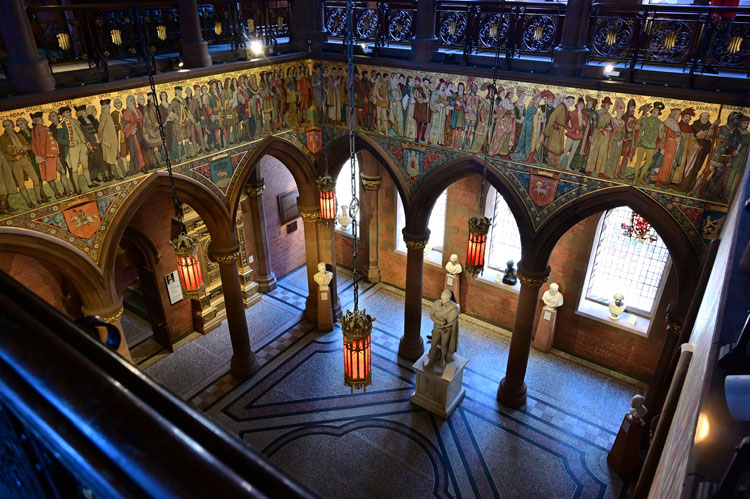
In the later eighteenth century, Scotland’s cultural revival gave it a central role in European life. Scientists like the chemist Joseph Black and engineers like James Watt laid the foundations for modern science and industry. These achievements were paralleled in literature by the intoxicating romanticism of Robert Burns and Sir Walter Scott. These changes, however, also gave rise to new challenges. Science and technology eroded the religious beliefs that had previously given society its shared values. Mechanical power marked the beginning of our destructive dependence on fossil fuels. The spell woven by Scott’s poetry and novels could all too easily hide Scotland’s rapidly changing social reality behind a veil of romantic escapism.
Nowhere are these paradoxes sharper than in Scotland’s extensive involvement in Britain’s growing empire. Able colonial administrators, such as the lawyer Sir Thomas Strange, sought to apply enlightened principles to their work. At the same time. however, the Atlantic ‘triangular trade’ was taking thousands of slaves from Africa to the plantations of North America and the Caribbean, and shipping slave-produced sugar, rum and tobacco to the British Isies. The plantation trade enriched Glasgow’s merchant elite and provided secure incomes for the thousands of middle and upper class Scots with plantation investments. Others, however, were moved by the sufferings of slaves such as George Dale, whose biography is reproduced on this panel. Often drawing strength from deeply held religious and moral principles, they opposed the appalling human cost of the slave trade, in the face of fierce resistance, abolitionists, including the prominent Scottish liberal lawyer and politician, Lord Brougham, finally brought slavery to an end in 1838.
The Most Underrated Art Gallery in Europe? Edinburgh Stole My Heart in 4K
Art books from the artist: