At first glance, forex charts and gallery walls feel like they belong in two totally different worlds. One runs on fast paced market data, the other on creativity and cultural value. But if you look a little bit deeper, the two markets quietly influence each other in ways collectors, artists, and speculators are starting to notice.
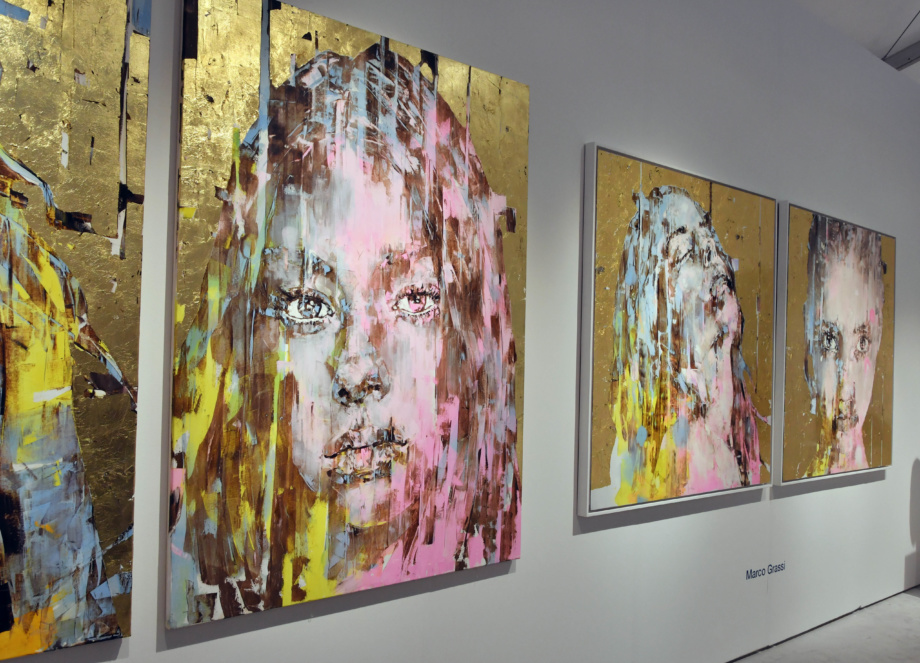
Forex Market Volatility Can Influence the Art Market Trends
The foreign exchange (forex) market, which determines currency exchange rates, exerts a considerable indirect influence on the art market through global trade dynamics, pricing mechanisms, investor sentiment, and economic volatility. While the art market is not as directly tied to forex as, say, commodities or stocks, its international nature— with over 40% of global sales involving cross-border transactions—makes it sensitive to currency fluctuations.
When major currencies move, they can impact how art is priced, traded, and even which artists gain attention. Recent shifts in the blue-chip sector show how economic pressures are trickling into collecting habits. Below, I’ll outline the key ways this influence manifests.
When Forex Trends Influence Art Prices
Art prices are famously subjective, but the costs around art are not. Shipping, insurance, framing, legal work, and auction premiums all depend on real-world currencies.
1. Pricing and Affordability for International Buyers and Sellers
Currency shifts directly alter the cost of art for global participants. Artworks are often priced in major currencies like the USD or EUR, but buyers pay in their local currency, exposing transactions to forex volatility.
- A weaker USD (e.g., due to U.S. trade policies or interest rate cuts) makes American art more affordable for foreign buyers from Europe, Asia, or the Middle East, potentially boosting demand and sales at U.S. auctions and galleries. For instance, if the dollar depreciates by 10% against the euro, a $1 million painting becomes cheaper for a European collector, encouraging impulse buys or competitive bidding.
- Conversely, a stronger USD increases the relative cost of imported art (e.g., European masterpieces for U.S. buyers), dampening demand and leading to softer prices at auction. This was evident in 2024–2025, when USD strength amid global trade tensions contributed to a 12% decline in global art sales to $57.5 billion.
- Primary market gallerists often price in the artist’s local currency to hedge risks, but secondary market auctions (e.g., Sotheby’s or Christie’s) amplify forex effects due to their USD-denominated sales.
2. Trade Policies and Tariffs as Forex Catalysts
Forex movements often stem from geopolitical events like tariffs or trade wars, which ripple into the art market via higher costs.
- U.S. tariffs on imports (e.g., on steel, aluminum, or cultural goods) raise production expenses for artists reliant on global materials, such as rare pigments from Asia, squeezing margins and leading to higher artwork prices. These policies also trigger retaliatory measures, destabilizing currencies and reducing cross-border art flows.
- In 2025, escalating U.S.-China trade frictions weakened the yuan, making Chinese contemporary art more competitive globally but increasing logistics costs for Western importers. Dealers mitigate this by using freeports (tax-deferred storage hubs in places like Geneva) or digital sales platforms to bypass physical shipments.
In a study by Cornford and Cross, analysts note that geopolitical tension and shifting trade routes reshape buyers’ behavior. Add currency swings to the mix, and suddenly, certain markets become more appealing than others. This is where a CFD trading broker can help art collectors better understand wider art market trends. While not about buying or selling art, these trading platforms offer insights into global macro forces that can indirectly affect art investments and art market trends.
3. Investor Sentiment and Wealth Effects
Forex trends signal broader economic health, influencing high-net-worth individuals’ (HNWIs) spending on art as a “passion investment” or hedge.
- During forex-driven uncertainty (e.g., volatile emerging market currencies amid inflation), HNWIs shift toward “safe-haven” assets like blue-chip art (e.g., Picasso or Warhol), which has shown hedging properties against financial turmoil, including currency crises. Studies indicate art’s low correlation with forex pairs like EUR/USD can make it appealing for portfolio diversification.
- Bullish forex environments (e.g., stable appreciating currencies) correlate with rising liquidity and speculative art buying, as seen in crypto-wealth booms inflating contemporary prices. However, the art market lags these shifts by 3–6 months due to its illiquid nature and long sales cycles.

4. Quantitative Evidence and Trends
This table got compiled by Grok.
| Factor | Forex Influence | Art Market Impact | Example (2024–2025) |
|---|---|---|---|
| USD Weakening | Trade deficits or rate cuts | ↑ Demand for U.S. art from abroad | +17% in sub-$10M sales segment |
| Emerging Currency Volatility | Geopolitical risks (e.g., tariffs) | ↓ Cross-border imports; ↑ Local focus | 12% global sales drop |
| Inflation-Linked Forex Shifts | Real rates rising with strong currencies | ↓ Discretionary art spending | Slower high-end auctions |
| Safe-Haven Flows | Flight to stable currencies | ↑ Prices for established works | Art as hedge vs. stocks/forex |
Empirical data from the 2025 Art Basel/UBS report shows forex-related economic slowdowns (e.g., IMF’s 2.8% global growth forecast) as a drag on art, with mid-tier works ($1M–$10M) more resilient than ultra-high-end lots.
According to reporting by Barron’s, overall art sales in recent seasons have softened, partly because high-value buyers are becoming more selective. Currency instability adds another layer to the purchasing power of a multimillion-dollar art.
Shifts in Demand and Wealth Effects
Some categories benefit during currency swings. Contemporary art and emerging artists often attract collectors looking for lower entry points during turbulent periods. Meanwhile, categories with a strong resale history may see temporary boosts from buyers seeking more stable stores of value against persistent inflation.
How Global Auctions Change
Auctions thrive on international competition. When currencies move sharply, the geographic mix of bidders can shift from one sale to the next. That helps explain findings from Maddox Gallery, which highlight how mid-market segments show resilience even when high-end buyers pull back.
Currency Fluctuations & Auctions: Impact on Art Collector Behavior
To see how real sales reflect market sensitivity, consider recent auction highlights. For example, Piet Mondrian’s Composition with Large Red Plane, Bluish Gray, Yellow, Black, and Blue sold for 47.6 million dollars during a period shaped by economic uncertainty and tariff pressures, with far fewer bidders than expected.
Claude Monet’s Poplars on the Banks of the Epte, Dusk also exceeded expectations, selling for 43 million dollars in the same cycle, reflecting how collector confidence shifts in reaction to global financial conditions. Surrealist master René Magritte saw strong performance, with one of his works selling for 34.9 million dollars at auction, highlighting continued demand despite wider volatility.
Brexit was another pivotal moment for the art market, with the sharp drop in the pound making UK-based sales suddenly more attractive to overseas buyers. During Frieze week, the weaker currency effectively gave international collectors discounts of up to 20 percent, helping works like Jean Michel Basquiat’s Hannibal sell for £9.3 million at Sotheby’s, significantly outperforming its previous outing and drawing heightened interest from US and European bidders. This surge in cross-border buying power illustrates how quickly currency swings can redirect global demand during periods of market volatility.
Art Market and crypto trends
The art market, art investments, and cryptocurrency have converged dramatically by late 2025, with blockchain technology, NFTs, and digital assets reshaping everything from provenance tracking to sales mechanisms. While the global art market cooled to $57.5 billion in total sales (down 12% from 2024), the digital segment—fueled by crypto—emerged as a resilient bright spot, valued at $5.8 billion and projected to double by 2030.
Crypto is infiltrating legacy institutions, making the $10.2 billion fine art auction market more crypto-friendly. Christie’s accepted crypto bids on most lots in a March 2025 AI art auction, while Sotheby’s and Phillips mandated KYC/AML for high-value NFTs to comply with regulations like the EU’s MiCA.
Blockchain for Provenance and Tokenization:
Blockchain addresses art’s chronic authenticity issues, with 72% of major auction houses using it for verification, which might become the best use of blockchain tech in the art market’s future.
It’s clear that some trends (listed below) are highly speculative, while others may stay for good to define the future of art market transactions. Here are the trends:
- Digital Provenance: Immutable ledgers track ownership history, reducing fraud. Tools like ZK-proofs verify AI art creation logs.
- Tokenization: Fractional NFTs allow shared ownership of masterpieces (e.g., slices of Picasso or Rembrandt), lowering barriers. By 2030, this could redefine wealth preservation, with Ethereum enabling DeFi loans against art collateral.
- RWA Expansion: Real-world assets like physical art are tokenized for liquidity, with museums partnering with blockchain platforms for exhibitions.
The Bottom Line
The connection between forex markets and the art world is subtle but real. While not a one-to-one relationship, forex movements shape the art market’s accessibility, costs, and investor appetite, often amplifying downturns or recoveries. Collectors and dealers increasingly use forex hedging tools (e.g., forward contracts) to navigate this. For deeper dives, monitoring indices like the Mei Moses Art Index alongside forex pairs can reveal real-time correlations.
Collectors who pay attention to currency shifts often find better timing, pricing, and opportunities. Artists, too, can benefit by understanding when their markets are more accessible to international buyers due to currency fluctuations. If you enjoy exploring the hidden mechanics behind art, money, and trends, keep an eye on this opportunity. They might shape your next great addition to your collection.
This is all opinion, not advice. Consult your art advisor for the best outcomes.