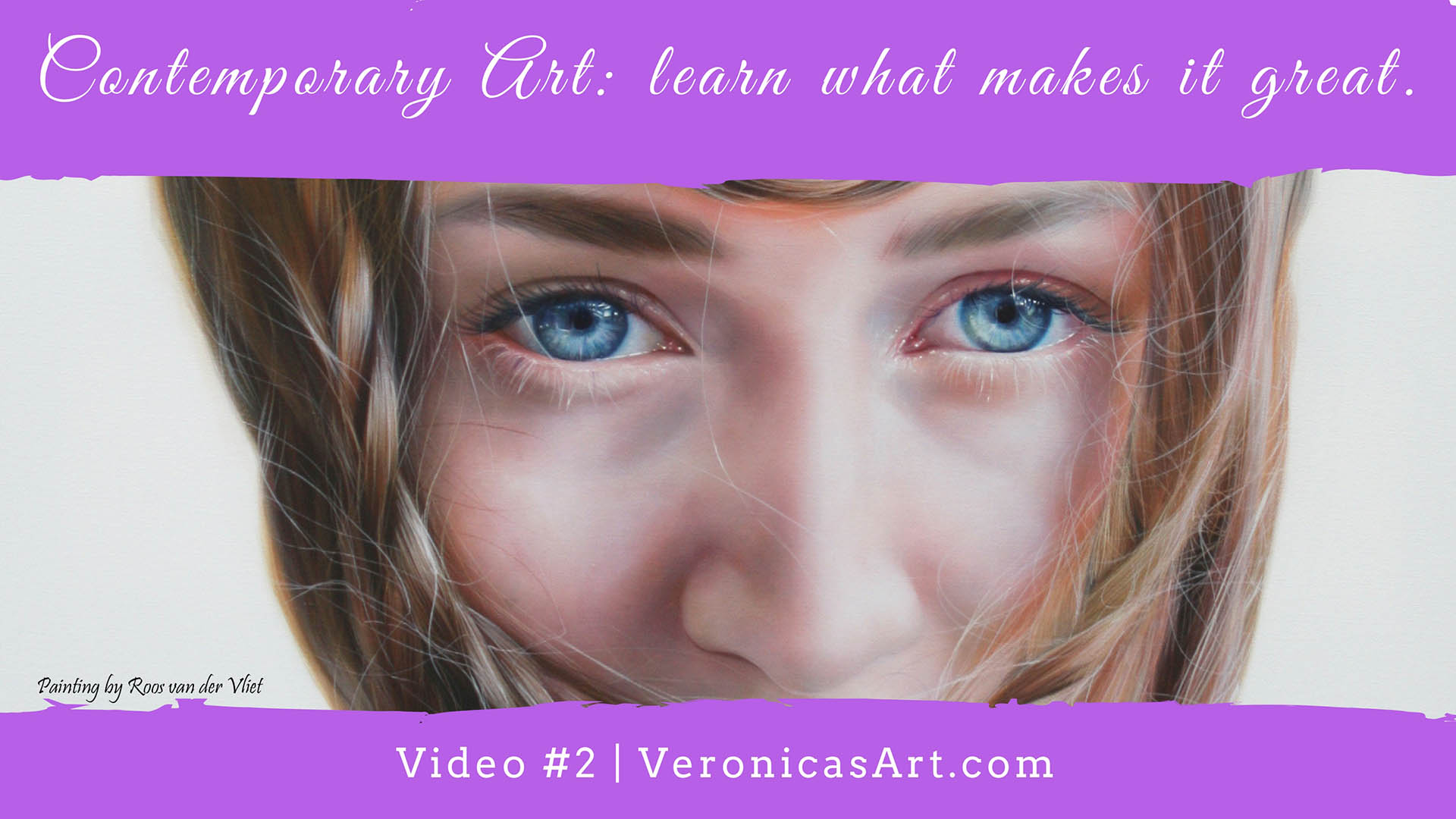
In the first video, you were introduced to classical painting created before the 20th century. In this article, let’s talk about some contemporary art to figure out why some “childish” paintings cost millions while relatively good art remains undervalued. Before I say anything about it, I’d like to note that I’m not an art critic, and I’m here not to judge artists; rather, I’d like to explain what’s great about contemporary painting, so you’d consider my understanding of art to make your own decisions. I also encourage you to reach out to the mentioned artists directly via their websites or Instagram. This video and writing are created as part of my mission to educate and inspire others to value and collect contemporary art.
Video #2
Art and art marketing often pull in opposite directions
In an era where entertainment dominates, engaging audiences with contemporary art is crucial. Artists compete with media and each other, striving to capture attention by shocking viewers, innovating their creative process, or sparking dialogue through their work. Dynamic forms like performance art, installations, reflective sculptures, or video displays draw us in far more than static paintings. Museums adapt to modern trends, creating interactive installations that invite selfies and social media sharing.
Contemporary paintings can feel inaccessible without explanation, pushing viewers to look beyond their senses. Rooted in concepts like abstract expressionism, these works often challenge straightforward interpretation.
We have to search for meaning in shown art in artist statements or curatorial writing, much like how students may turn to professional writing services by Essaypro to help interpret complex ideas and articulate them clearly in their own work.
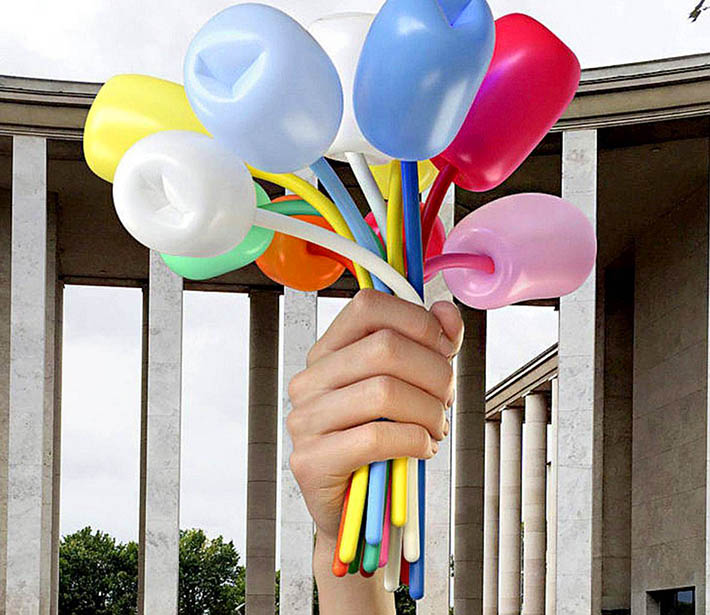
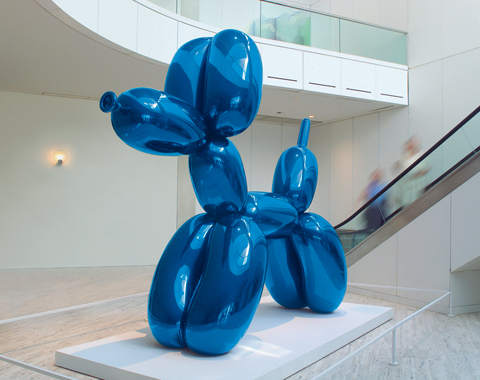
The quality of art often takes a backseat to publicity stunts and marketing, with an artist’s success hinging on popularity and branding. Name recognition is now critical to a thriving career, as seen with master art marketers like Jeff Koons, Marina Abramović, and Damien Hirst.
Performance art can powerfully convey messages but frequently leans on shock value for impact. For example, this link reveals how far some will go to exploit others in the name of art. Having viewed several of Abramović’s installations over the years, I’ve noted their varying degrees of message, shock, and impact.

Not all artists follow this path, instead prioritizing the cultivation of their audience through genuine artistic vision and skill. Yet, if the work lacks political or social charge, gaining recognition based on that vision alone becomes far more challenging—and this remains a foundational struggle for many creatives. The dilemma persists: Should an artist adapt their mindset to cater to the market and draw attention through novel tactics, or remain authentic, creating art purely for its own sake?
Art Buying Tiers and Social Behavior
Art purchasing operates within a tiered system, reflecting distinct social and economic behaviors.
Consumer Tier: At the base, consumerism dominates. Constant exposure to art in everyday life desensitizes us, making original artworks seem unappealing, inexpensive, or unnecessary. Many opt for affordable posters or merchandise instead of originals, either due to cost or reluctance to commit to original pieces. While prints offer little long-term value, they sustain emerging artists, providing income to hone their craft. Limited-edition signed prints hold greater appeal for collectors and help artists offset studio expenses.
Valuable Prints: Certain prints, like hand-pulled lithographs, silkscreens, and other traditional printmaking methods, carry significant value. Printmaking, as an original art form, produces limited multiples or editions, making these works more collectible.
Middle Tier: Here, buyers pay $100 to $1,000 for original art. This range, particularly the upper middle tier, is where most artists aim to sell, as it supports their livelihood. Collectors in this group are passionate about art and have the means to invest in and support artists directly.
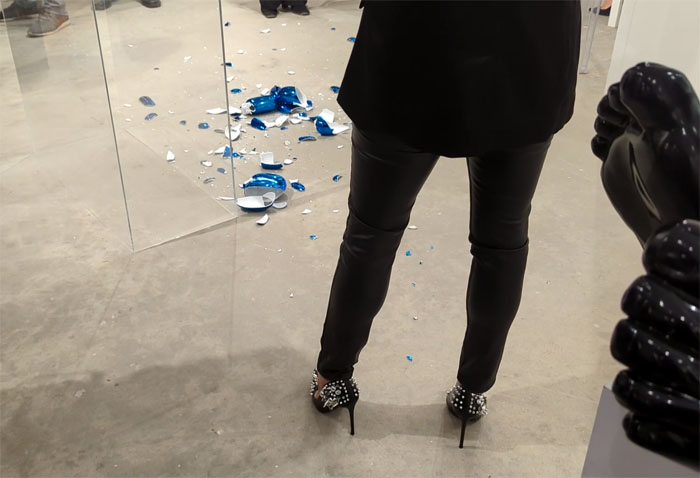
Top Tier: At the highest level, hedge fund managers and the ultra-wealthy dominate, often prioritizing financial investment over artistic appreciation. Contemporary art fetches astronomical prices at auction houses like Sotheby’s, where money dictates an artist’s and their work’s value.
High-Stakes Art Sales and Market Dynamics
A Jean-Michel Basquiat painting soared to $110.5 million at auction, surpassing the previous record of $105.4 million for Andy Warhol’s Silver Car Crash, Double Disaster. Other landmark sales include Pablo Picasso’s Garçon à la pipe (1881–1973) at $104.168 million and Edvard Munch’s The Scream (1895) at $119.922 million. These transactions reflect a market where art is primarily an investment vehicle. Buyers, often Wall Street hedge fund managers, Russian oligarchs, oil tycoon, and other billionaires, drive prices to dizzying heights.
To grasp this investment-driven motivation, the Netflix documentary Blurred Lines: Inside the Art World offers insight into why visually unappealing art can command such prices. Similarly, Exit Through the Gift Shop illustrates how an obscure street artist leveraged bold risks and savvy marketing to earn his first million.
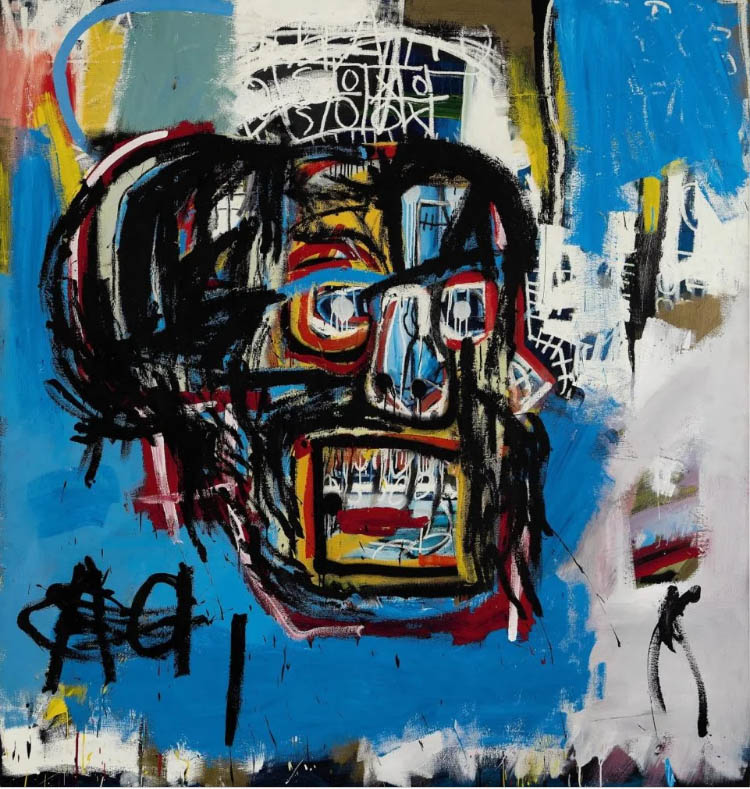
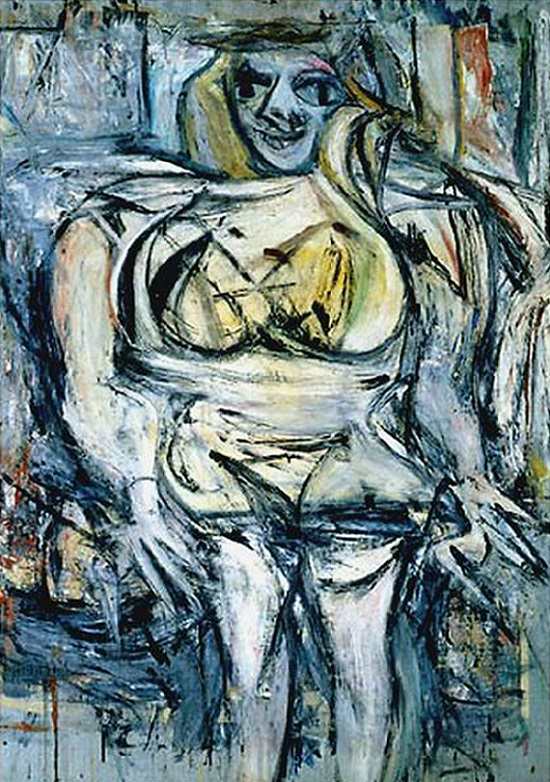
So, how do we distinguish good art from bad? I encourage you to form your own judgments, bypassing experts and critics—especially if you’re not acquiring pieces as investments. It’s simple: You either connect with it or you don’t. Determine what resonates with you personally, what stirs deeper emotions unrelated to hype, celebrity status, or clever marketing ploys.
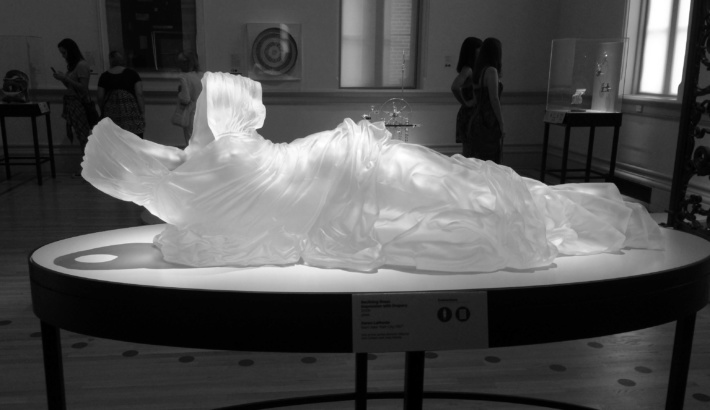
Art as a Business
Art operates firmly within the realm of business, shaped by capitalism’s relentless demands. This system fosters market manipulation, where non-artistic works are promoted as masterpieces to affluent buyers by influential dealers and curators. It’s a key factor behind the prevalence of unappealing pieces at contemporary art fairs and museums—a subtle collusion driven by commerce.
Galleries, curators, and dealers exist in hierarchical tiers. Vanity galleries charge artists hefty fees for exposure, attracting those who can pay rather than those with superior talent. These spaces provide representation through minor curators and dealers, who recoup costs while sustaining their operations. In contrast, prestigious galleries select emerging artists based on steady production, proven sales, and strong relationships with owners. The battle for placement in top galleries—which handle sales and split retail prices 50/50—is intensely competitive, breeding envy and rivalry among many artists, though some stay gracious and supportive.
For small and mid-sized galleries, the business is grueling due to soaring overhead costs that erode profits. Many shutter, relocate, or fail as buyers increasingly turn online, mirroring retail’s client exodus. This shift empowers independent artists to sell directly, sidestepping intermediaries. Thus, mastering art marketing and business strategies becomes as essential as the creative process itself.
Art Education Today
Contemporary art education in colleges often emphasizes deskilling, influenced by deconstructivism, abstract expressionism, and conceptual art movements. This leads students to create art from a place of limitation, accompanied by vague, complex artist statements. The devaluation of representational art has resulted in many institutions employing professors steeped in conceptual approaches, limiting education to their expertise. A glance at a professor’s work often reveals the scope of what students will learn. Those aiming to master classical painting techniques encounter resistance, as studio art programs prioritize conceptual development over skill, vision, or business acumen. Students pursuing classical oil painting often face unconstructive feedback due to the absence of clear standards, unlike the apprenticeships that once guided aspiring artists under master painters before modernism. Aspiring realists frequently feel isolated, lacking the artistic or business tools needed to succeed post-graduation. While the broader art world remains dominated by abstract and conceptual art, a resurgence of realism is evident in atelier schools and select studios.
Countering this trend, realist training is experiencing a revival. Over the past decade, atelier schools like the Grand Central Academy of Art in New York, Anthony Ryder’s school in Santa Fe (www.theryderstudio.com), and Nelson Shanks’ Studio Incamminati in Philadelphia (www.studioincamminati.org) have emerged, alongside other artists’ studios offering instruction in oil painting techniques, both in-person and online.
Not all abstract or conceptual art lacks merit, nor is every realist work exceptional. The key issue is choice: art education should support students’ individual aspirations rather than forcing them to conform to a system that stifles personal growth. Without established rules or standards, evaluating art becomes challenging. To understand modern or contemporary works, one must often consider the artist’s mission, background, and upbringing alongside the visual piece itself. In many cases, branding overshadows the art itself.
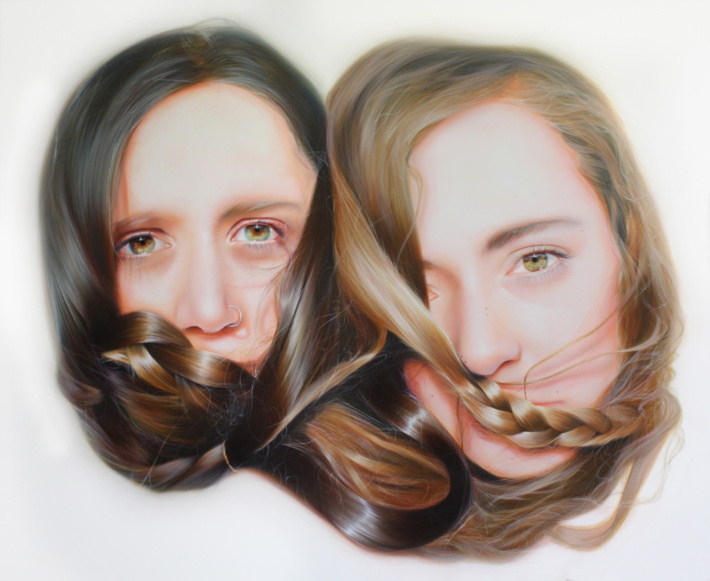
This contemporary portrait painting by Roos van der Vliet from the Netherlands is a wonderful example of great personal vision coupled with amazing acrylic painting technique. By looking at her paintings of women we ask questions about identity and alienation that we often feel being in a crowd of people, yet standing alone.
Why Artists Create is an essay on the theme of art creation.
Art Patrons & Influencers:
Major art patrons a century ago:
- The Frick Collection
- Andrew W. Mellon collection
- The Phillips collection in the U.S.
- Isabella Gardner
- The Tretykov gallery collection in Moscow, Russia and so on.
Art players and influencers today:
- Charles Saatchi & Larry Gagosian as well as other top art dealers
- Contemporary art museums and top curators
- Art investment firms and auction houses such as Sotheby’s
- Loot at MEI/Moses Fine Art Index explains the appreciation of art as a financial investment.
In this article you can read about art influencers:

Five Artistic Elements of Great Art
Many believe great art hinges solely on realistic detail or vibrant colors, but these alone don’t suffice. Bright pigments straight from the tube are easy to apply; the real challenge lies in mixing muted tones to achieve harmonious color balance. Similarly, beautiful details mean little without a compelling narrative, strong composition, or when the work feels overly decorative.
In contemporary art, we may be captivated by technical prowess or groundbreaking innovation, but traditional paintings can also innovate through fresh perspectives. Ultimately, great art—whether abstract or realist—resonates deeply, enriching our lives.
The five key elements that define exceptional painting and 3D art are: personal vision, emotional depth, innovative approach, skillful use of color and design, and technical mastery in conveying feeling.
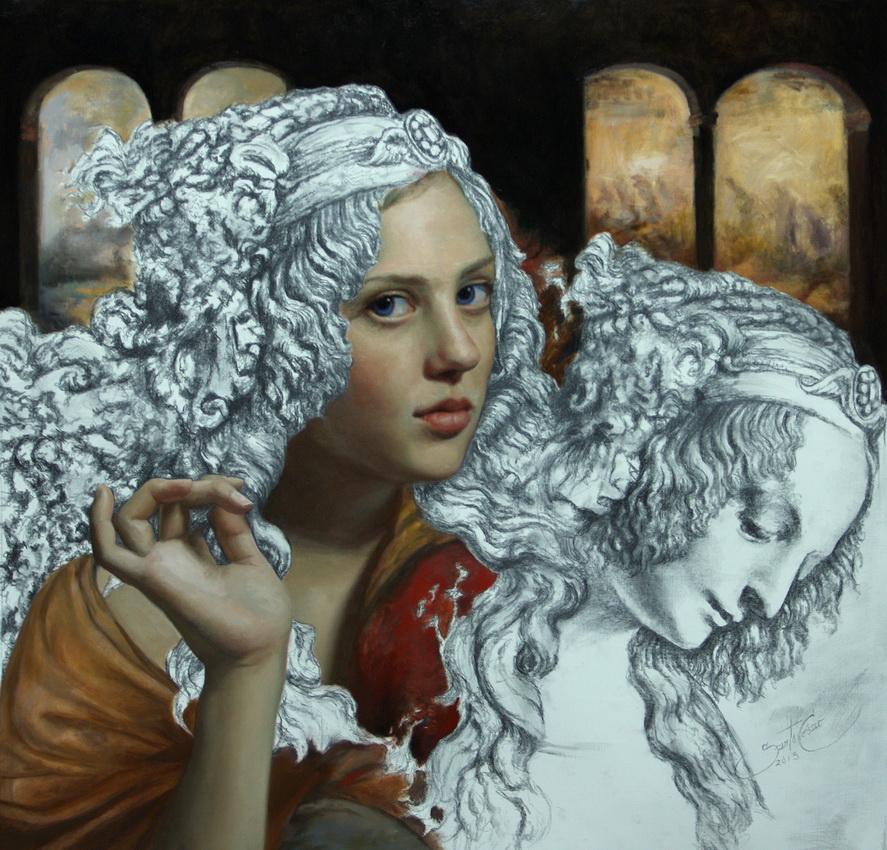
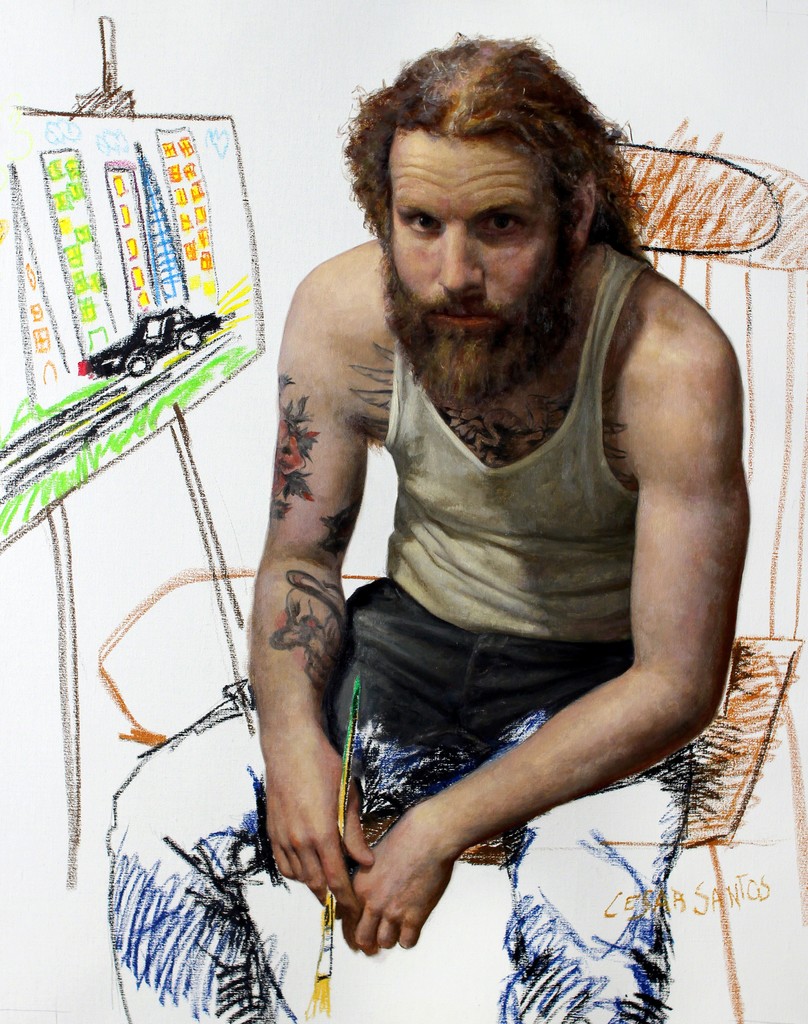
A great example of contemporary art painting that combines vision, innovation and great skill is the art of Cesar Santos |YouTube Santos is a contemporary Cuban-American artist who has painted a series of paintings titled Syncretism. This famous contemporary artist combines various, often opposing artistic elements in a perfect balance.
Cesar Santos’s realistic paintings integrate oil paint, charcoal and crayons, and portraits feature common people that become removed from their usual surroundings and placed in oil paintings with new space for them to live in. The artist’s amazing skill in classical painting helps him create powerful art that looks fresh and modern.
Ali Cavanaugh | www.alicavanaugh.com
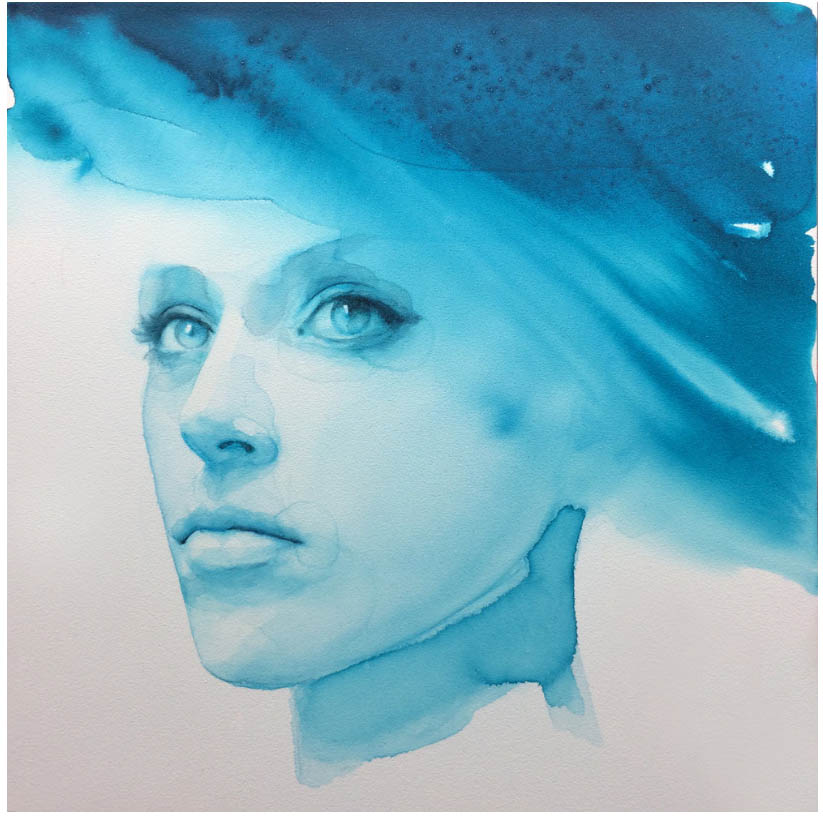
Ali Cavanaugh paints her four children as watercolor portrait abstractions. Her original watercolor paintings have the feeling of spontaneity and freedom, yet the faces remain anatomically correct and alive. The artist paints on kaolin clay boards look like frescoes displayed without glass.
Story and Emotion in Art
Art doesn’t emerge in isolation. Artists draw from personal experiences, filtering and reflecting them to shape their work. Through their creations, they challenge perspectives, question societal values, and infuse beauty and emotional resonance into our lives. The narrative and emotions embedded in a painting define the artist’s unique voice and style.
.
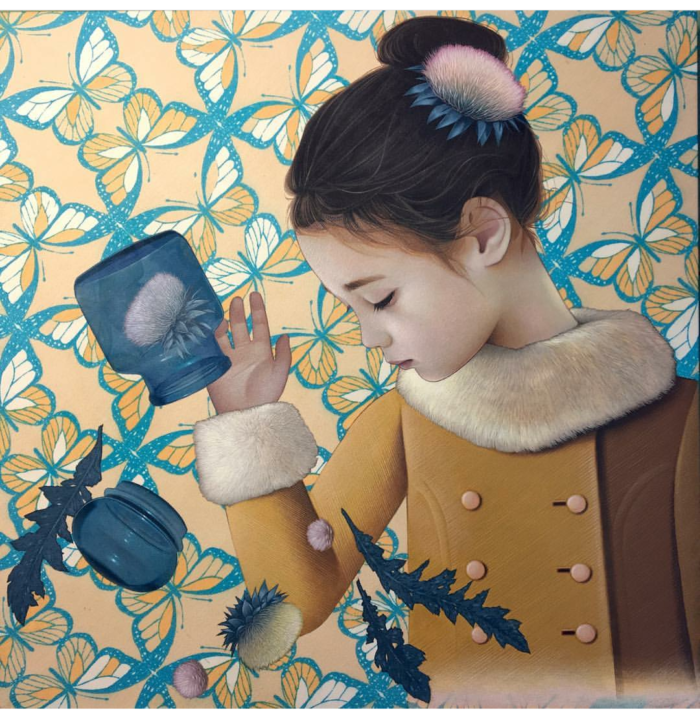
Sean Mahan | seanmahanart.com
Sean Mahan is a figurative artist who paints a “sense of wonder about innate human sweetness.” The artist creates images of girls and boys busy with mundane tasks yet removed-from-this-world-expressions that produce a feeling of contradiction. Mahan paints in acrylic and graphite on wood to produce his contemporary art paintings.
Art as Personal Expression
Art serves as a profound form of personal expression. Many artists struggle to verbally explain their work because it flows from deep within, visually capturing internal experiences. Emotions are translated into visual symbols—bitterness or love manifests in the art on canvas. Unlike classical art, which often served political and reigious purposes, much of today’s art prioritizes personal expression.
An artist’s aesthetic significantly shapes their painting style. Classical artists, like William-Adolphe Bouguereau, pursued idealized beauty in their subjects, while many modern and contemporary artists, such as Willem de Kooning with his depictions of women, embrace ugliness as a valid aesthetic, diverging from traditional ideals of beauty.
One artist who profoundly impacted me nearly two decades ago was the Canadian artist Rob Gonsalves, whose colored pencil drawings of illusion and magic realism left a lasting impression with their unique voice. It is with great sadness that I note Rob took his own life in late 2017.
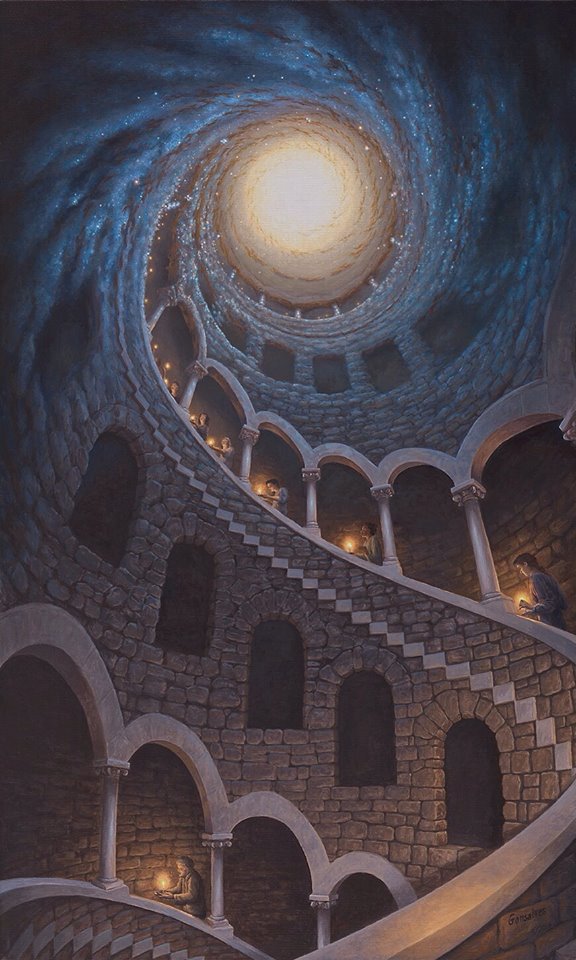
Rob Gonsalves | www.facebook.com/RobGonsalves.Official

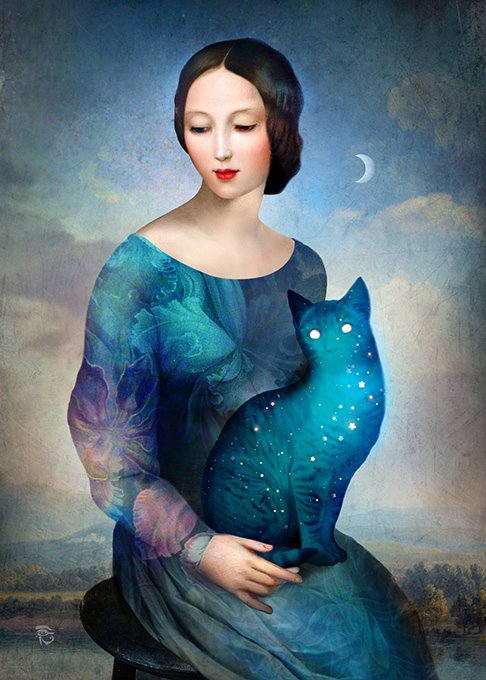
Christian Schloe | www.facebook.com/ChristianSchloeDigitalArt
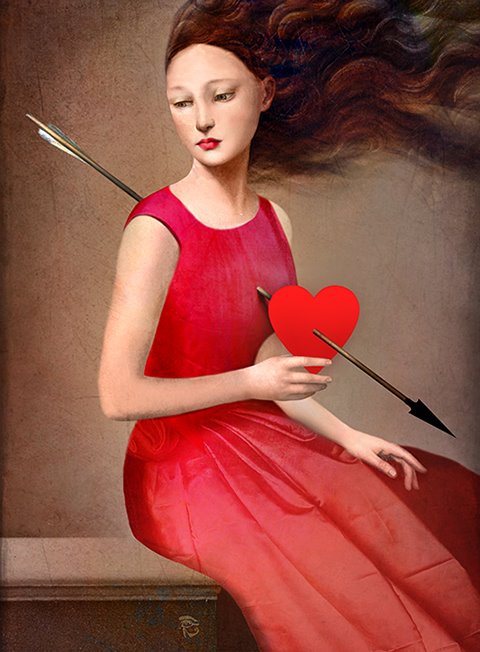
This artist creates soulful digital artwork so sincere that it feels just as powerful as a real painting. His sense of color and design helps articulate powerful emotions of love, contemplation, curiosity, wander, and melancholy.
Art as Ideology
Much art has historically served to promote a nation’s ideology and social order. For example, Soviet art of the 1950s, often labeled propaganda, uplifted public morale by glorifying collective efforts for a greater good. The state supported artists with free studios, large-scale exhibitions, and commissioned works, though this came at the cost of restricted subject matter.
Soviet Art Reflections
In 2015, I photographed a major exhibition near the Kremlin showcasing Soviet art from the 1950s to 1970s. These works depicted people laboring to build a prosperous new era.
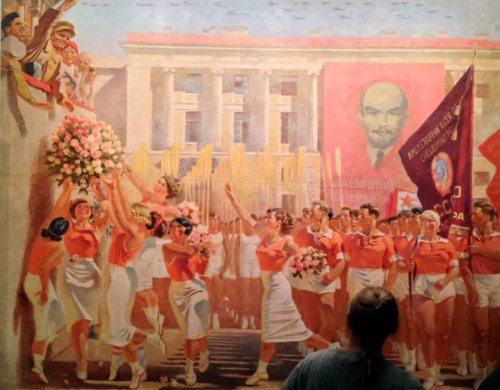
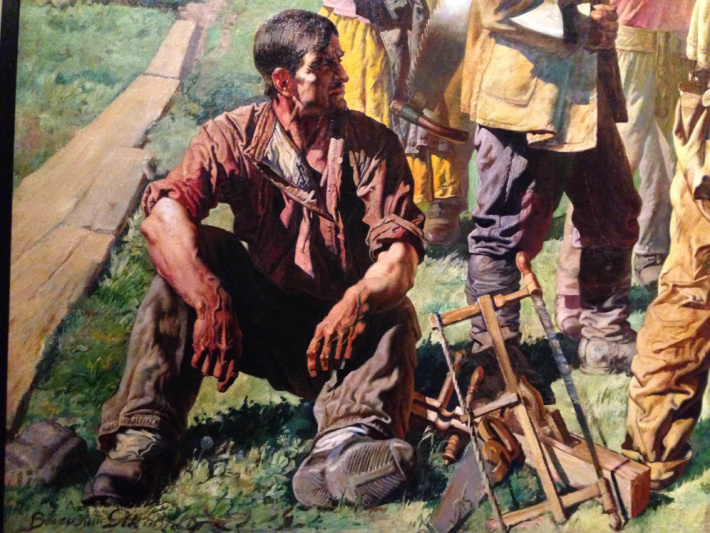
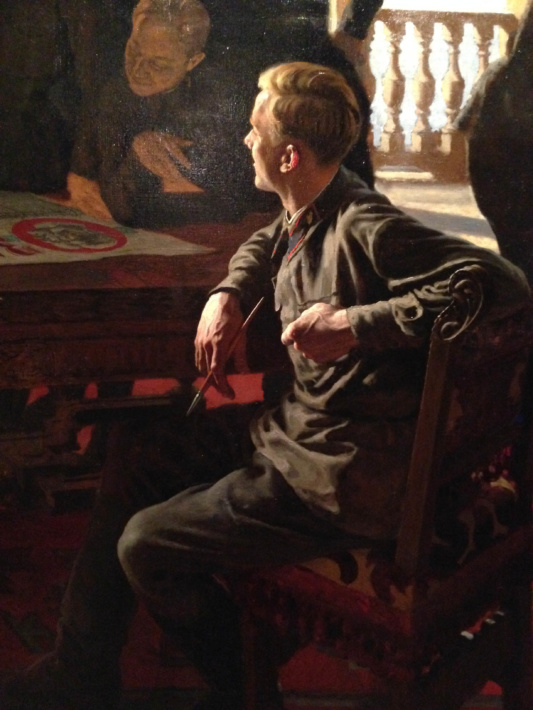
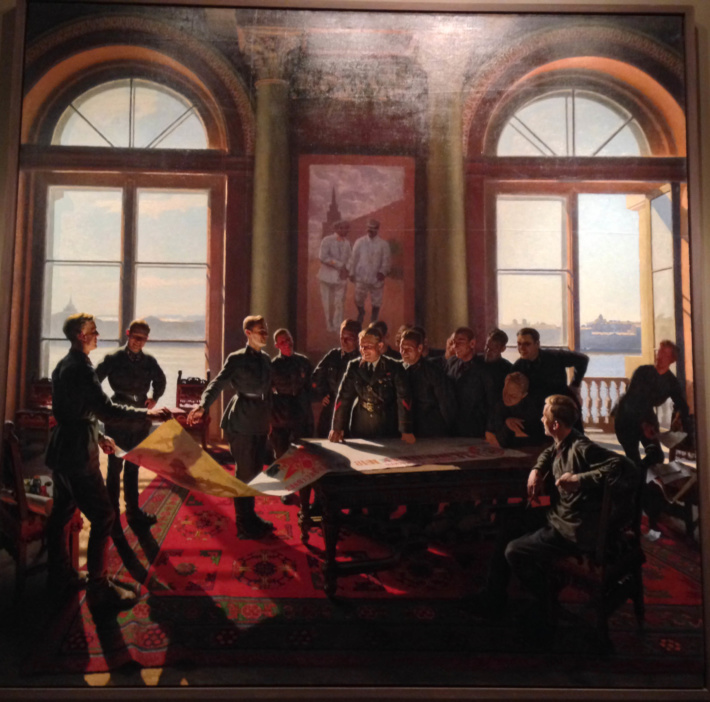
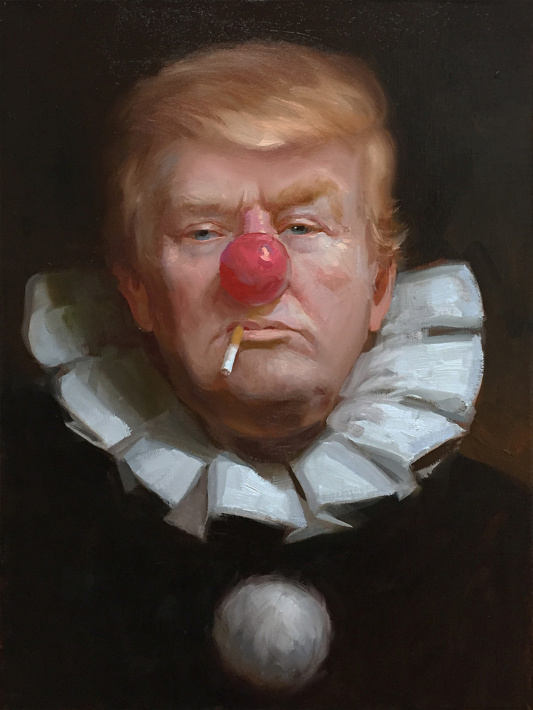
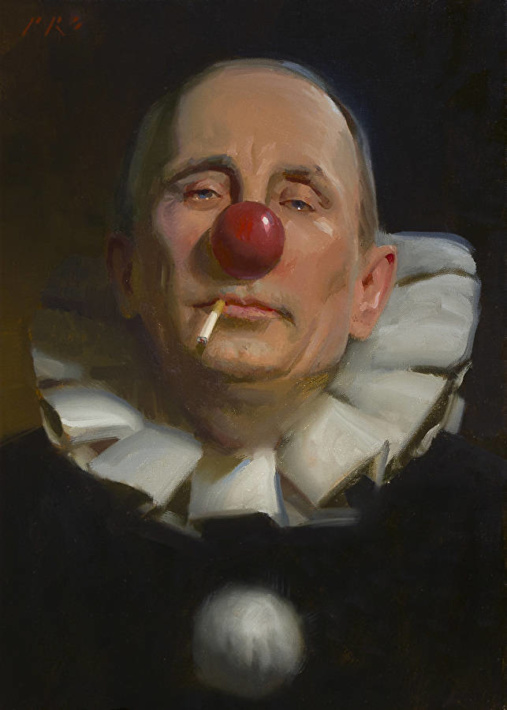
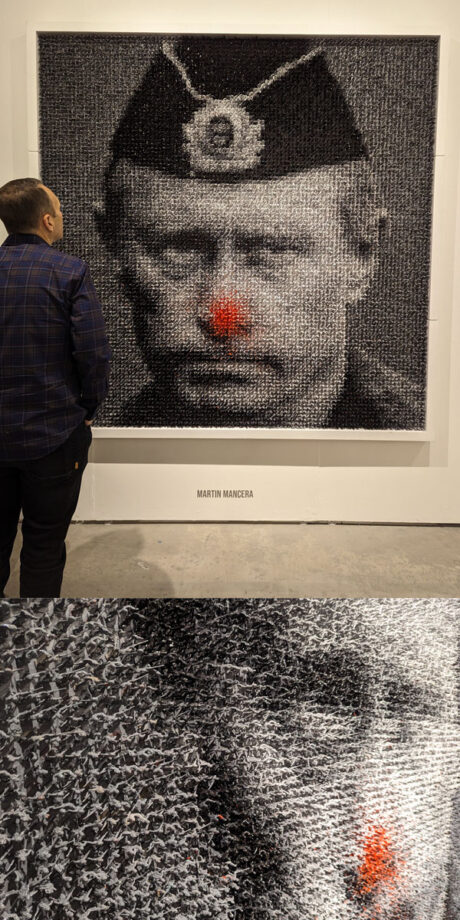
Conversely, art can also rebel against governmental or societal structures. Chinese contemporary artist Ai Weiwei frequently critiques his government, while in the politically polarized U.S., artworks reflecting divisions—such as paintings of figures like Hillary Clinton or Donald Trump—appear at art fairs, galleries, and exhibitions.
Art as Social Commentary
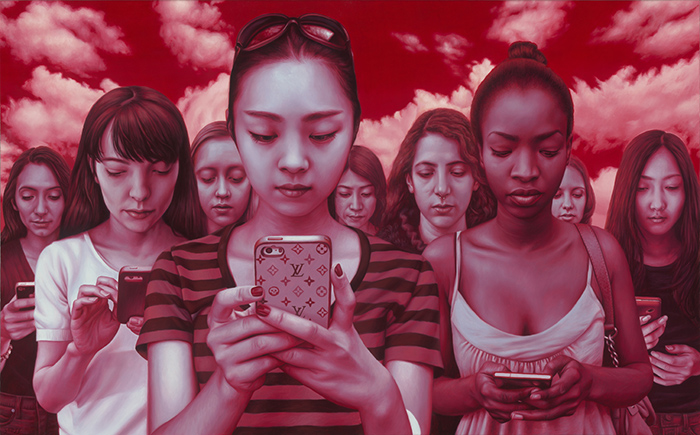
Certain artists use their work to offer social commentary, reflecting cultural dynamics back to society. Iconic modern artist Andy Warhol celebrated consumerism through his renowned paintings. Similarly, contemporary artist Alex Gross critiques themes like antisocial networking, media manipulation, and digital self-absorption, weaving global brands, pop culture, and clichéd symbols into his art. Explore more at www.alexgross.com.
#2 Artistic Vision and Technical Innovation
Artistic vision is the cornerstone of contemporary art, demanding dedication to produce cohesive paintings and 3D works. It’s the most challenging element to cultivate, driving originality and consistency.
Forms of Innovation:
- A distinctive vision often sparks innovative depictions of form.
- It inspires artists to experiment with new surfaces and materials in contemporary art.
- A unique approach shines through in narrative figurative painting.
- Vision guides immersive art installations, creating personal experiences. Notable examples include Yayoi Kusama’s Infinity Rooms, Judy Chicago’s feminist art, and Studio Drift’s video installations or experiential works.
In contemporary painting, Kehinde Wiley’s figurative works stand out, deeply rooted in European art history and portraiture. His vibrant oil paintings showcase a bold sense of color and design, often portraying African-American men and women in everyday attire as aristocratic figures, recontextualizing them from street settings into the realm of high art. A highlight of his recent work is the official portrait of President Obama, unveiled for the Smithsonian. Although some of it is cliche, it still deserves its place in contemporary art scene.
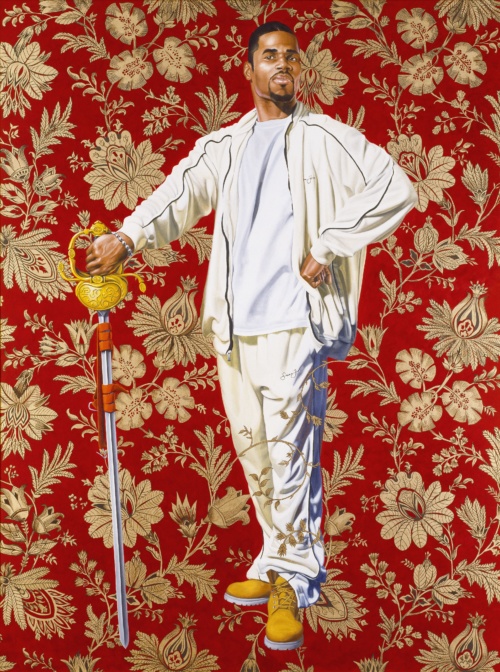
Obj. No. 2006.14 Photo No. s55076.CT.1
Kehinde Wiley (American, b. 1977), Willem van Heythuysen, 2006, Oil and enamel on canvas, 96”H x 72”W Virginia Museum of Fine Arts, Richmond. Arthur and Margaret Glasgow Fund. Photo: Katherine Wetzel © Virginia Museum of Fine Arts
Kehinde Wiley | www.kehindewiley.com
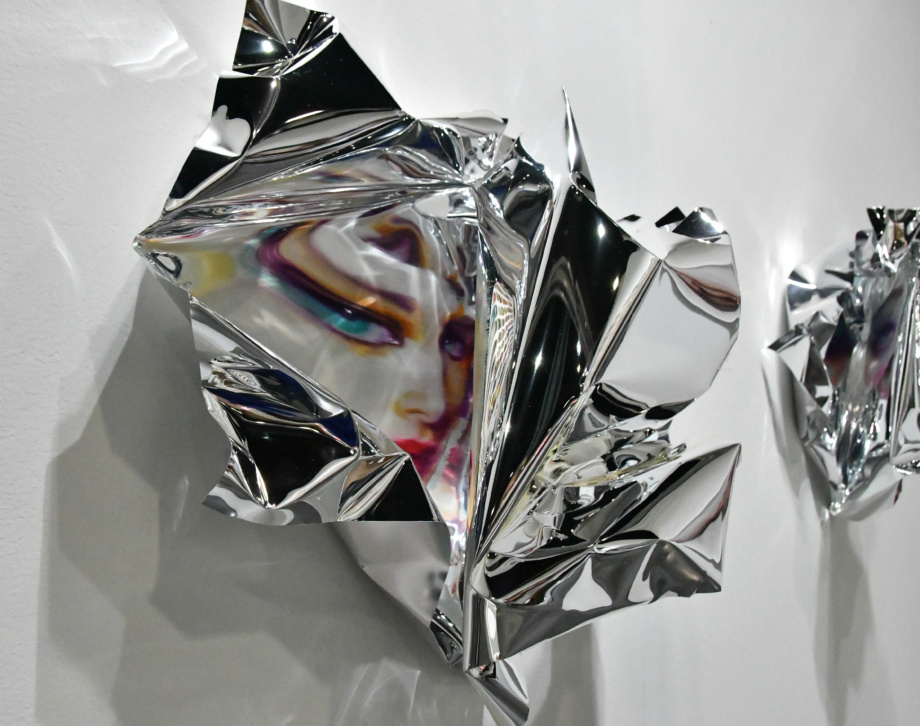
Carole Feuerman

Carole Feuerman, a contemporary hyperrealist sculptor, crafts indoor and outdoor works embodying strength and balance. In her New York studio, she creates casts from real people, enhancing them with paint, Swarovski crystal beads, hair, and eyelashes for striking realism.
Rogan Brown, another contemporary 3D artist, produces intricate wall art through delicate paper cuts that mirror organic patterns seen under a microscope. His paper sculptures carry a poetic quality, evoking themes of death and rebirth, inviting viewers to lose themselves in their dreamlike, multilayered forms.
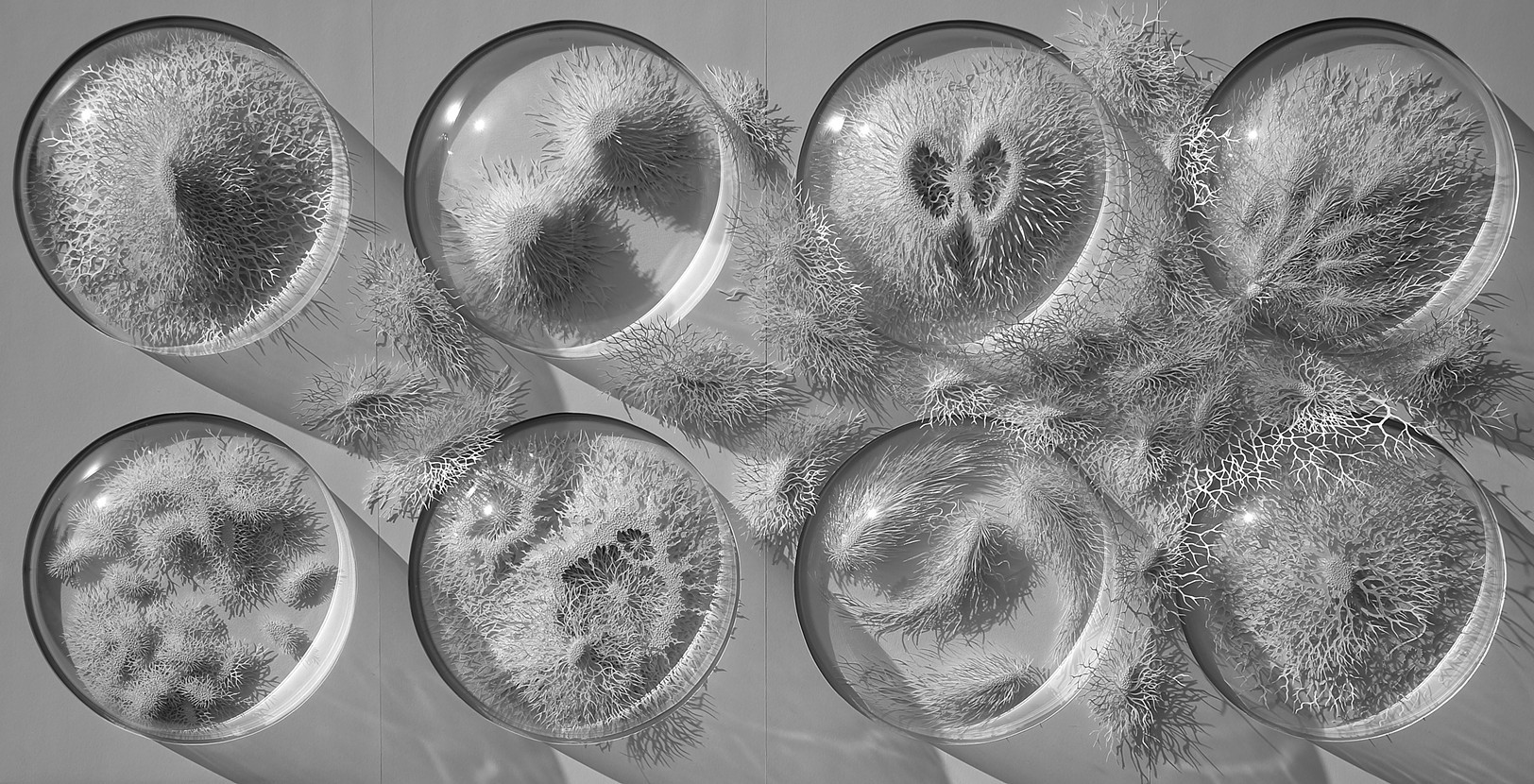
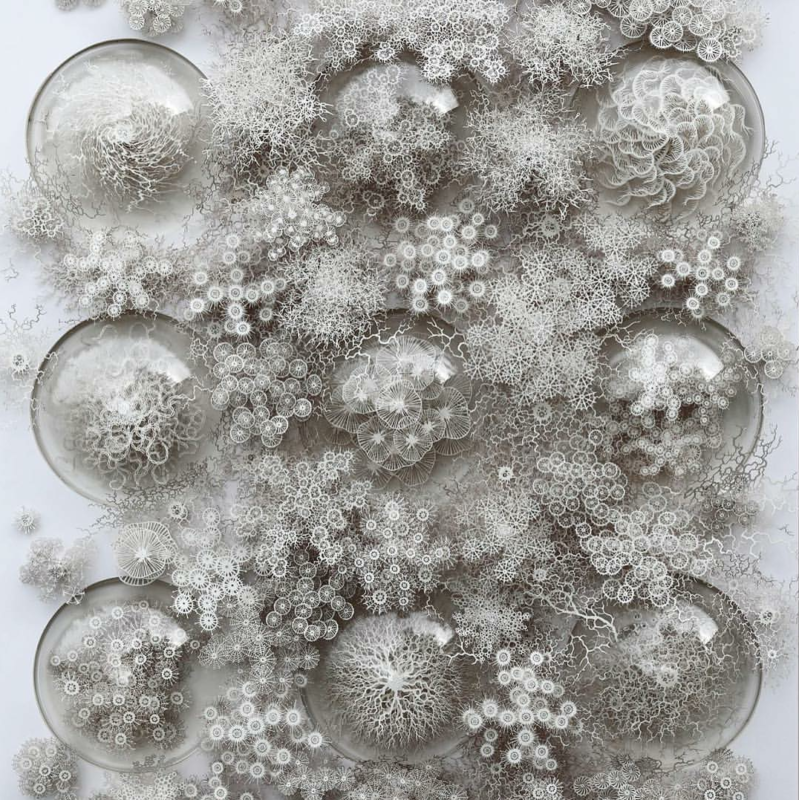
# 3 Composition and Movement in Contemporary Art
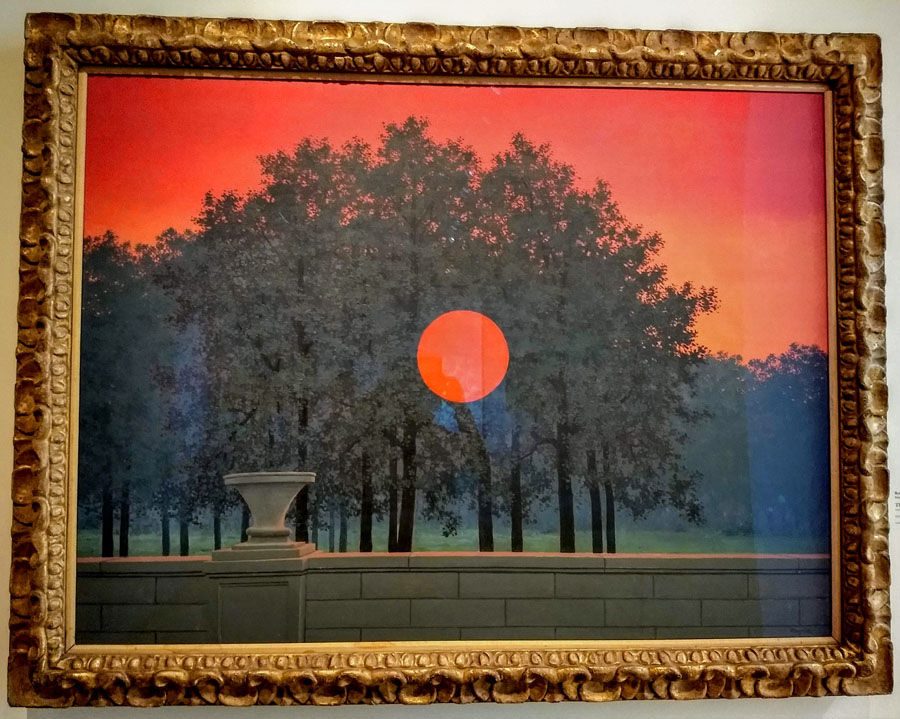
Exceptional contemporary art showcases dynamic abstract design through shapes, colors, and diagonals that generate visual movement on the canvas. While viewers are often drawn to details, vibrant colors, or facial expressions, the underlying composition is fundamental to great art. Movement guides the eye across the canvas, directing attention to the focal point. This can be achieved through techniques like repetitive elements creating rhythm (e.g., Magritte, van Gogh) or atmospheric effects (e.g., Turner).
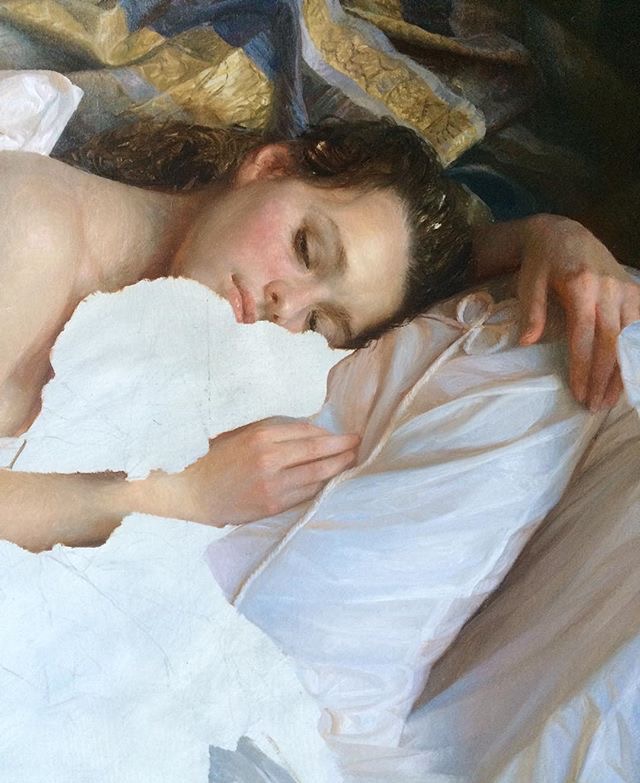
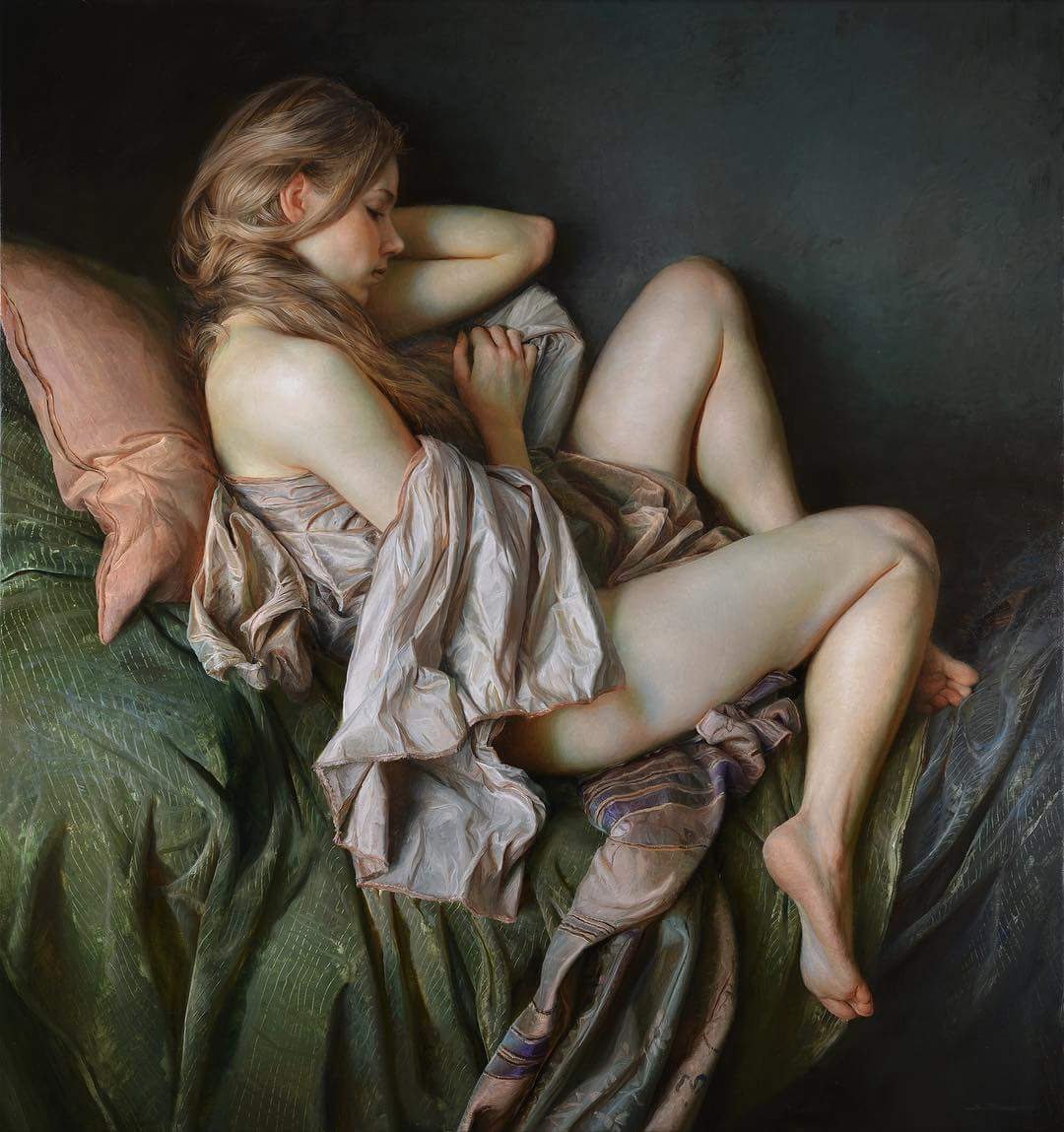
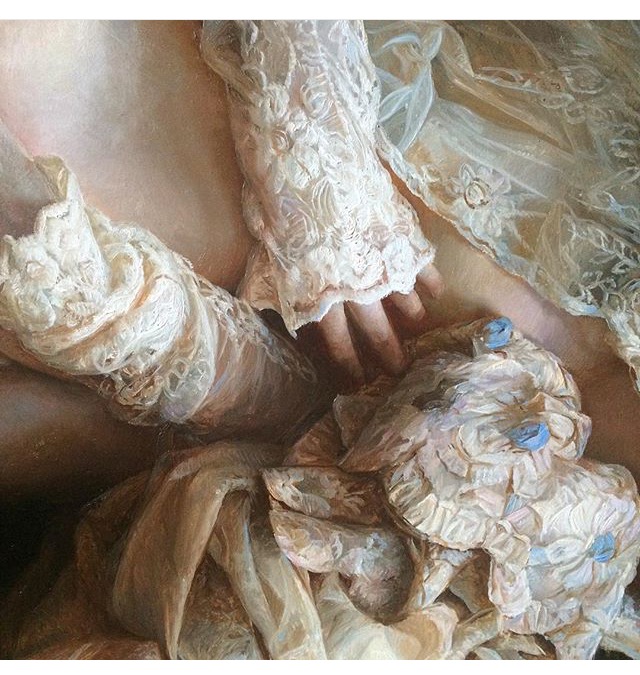
Contemporary Russian artist Serge Marshennikov stands out as a leading figurative painter. His works, featuring semi-nude women, demonstrate masterful movement, color, and anatomical precision. By strategically placing models at diagonals, he ensures the viewer’s gaze flows across the form, remaining engaged with the canvas. Marshennikov’s command of color harmonies and temperature—particularly in skin tones and backgrounds—is remarkable. Based in St. Petersburg, he is represented by several U.S. galleries.
#4 Color in Contemporary Art
For beginners, sophisticated color mixing can be challenging to grasp. Here, I’ll clarify what distinguishes professional painting from amateur efforts.
Color harmony holds immense visual importance in contemporary art, just as it did in historical masterworks. Representational artists dedicate years to mastering color mixing and crafting harmonious palettes, often focusing on subdued tones that complement the dominant hue. Many contemporary paintings, however, rely on garish, straight-from-the-tube colors that appear overly bright, flat, and unnatural to serious realist artists who draw from nature. The hallmark of a professional painter lies in their nuanced understanding of paint, edges, and light. By skillfully managing these elements, professionals create stunning contemporary art.
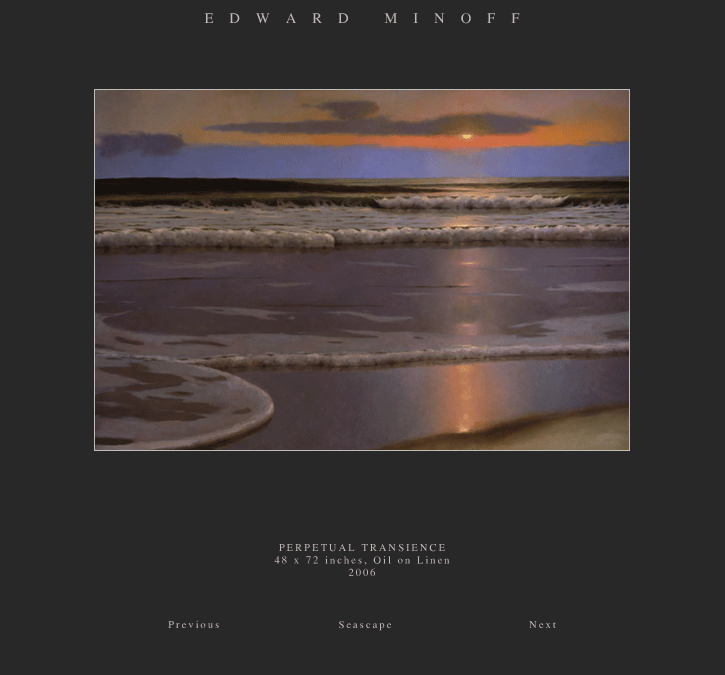
Edward Minoff, a renowned contemporary artist, exemplifies mastery of color. His seascapes capture nature’s power through subtle, harmonious color palettes, reflecting deep insight into light and atmosphere gained from extensive studies and direct observation. For aspiring artists committed to traditional oil painting techniques, painting from life is essential. Minoff, based in New York, both creates and teaches art. Edward Minoff | www.edwardminoff.com
#5 Painting Methods
Painting Methods: Painterly vs. Classical
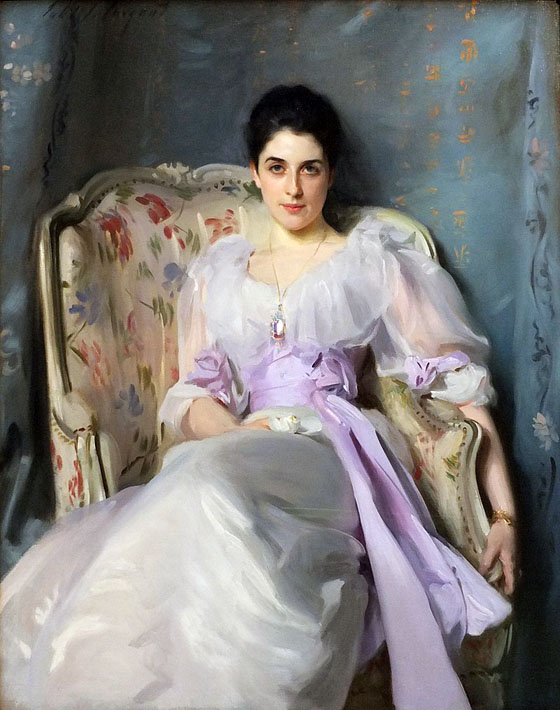
Oil paintings vary widely in style, from hyperrealistic works with seamless brushstrokes to those with loose, expressive marks. This spectrum reflects the artist’s personality and training. Both painterly and classical approaches in contemporary art can achieve excellence when executed with skill and authenticity. Many, especially novice painters, shy away from unblended brushstrokes, yet this painterly style is deceptively challenging. Loose strokes appear effortless but demand years of practice to master color and tone application with confidence.
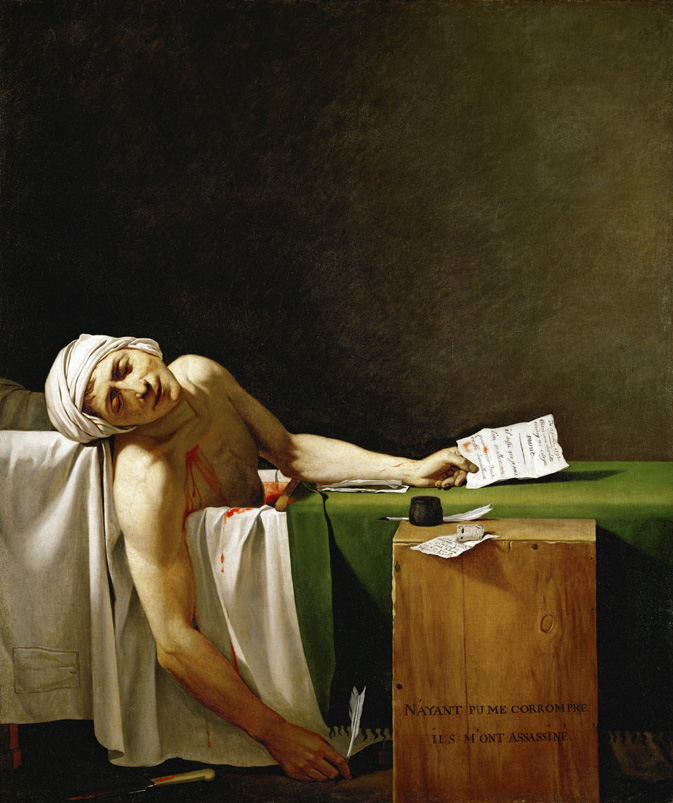
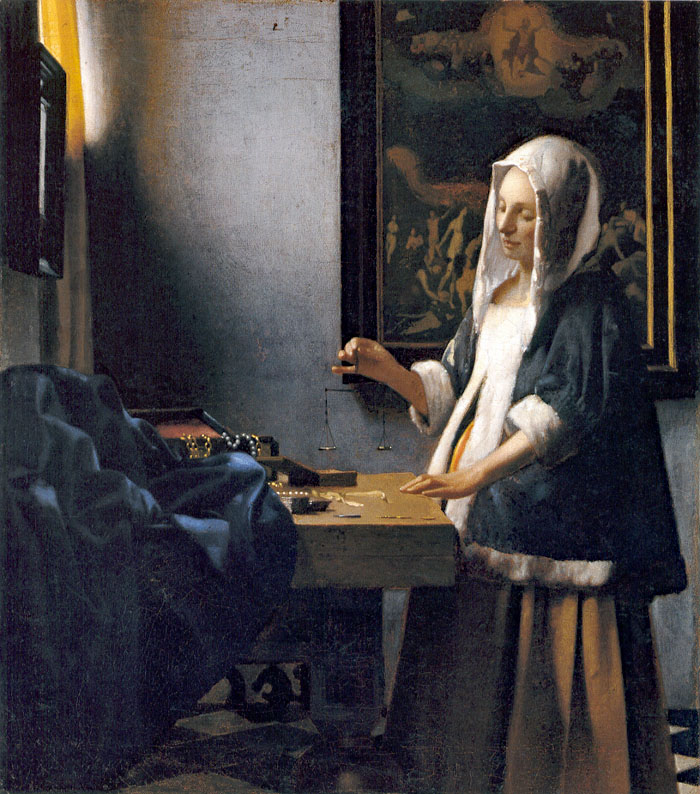
Art history highlights masters like Sargent and Zorn, whose bold, fluid brushwork brought freshness and realism to their paintings. In contrast, classical techniques, as seen in the works of van Eyck and David, feature no visible strokes. This smooth finish requires meticulous paint application, often softened with a clean brush. Classical painting also frequently employs glazing—thin, layered applications of paint to achieve luminous effects and depth. This method, exemplified by Vermeer and van Eyck, demands careful planning to envision the final result.
Jane Jones
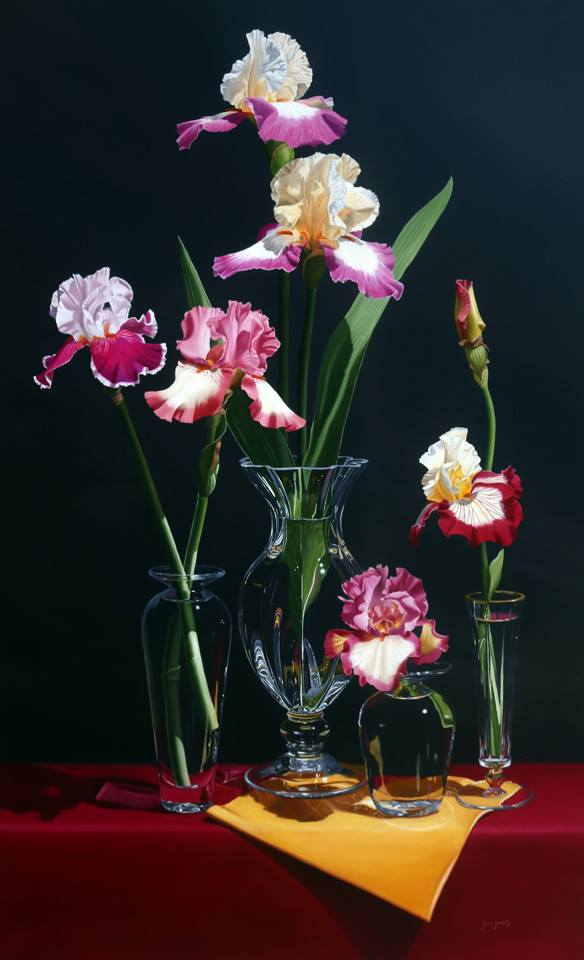
Contemporary still life artist Jane Jones, working in the realist tradition, creates luminous floral paintings on panels. Her masterful use of glazes imbues flowers with a radiant glow. Thoughtfully crafted compositions demonstrate exceptional skill in achieving visual balance, while the chiaroscuro interplay of light and shadow instantly captivates viewers. To explore Jane’s oil painting techniques, discover her art book, DVDs, and additional resources.
www.janejonesartist.com
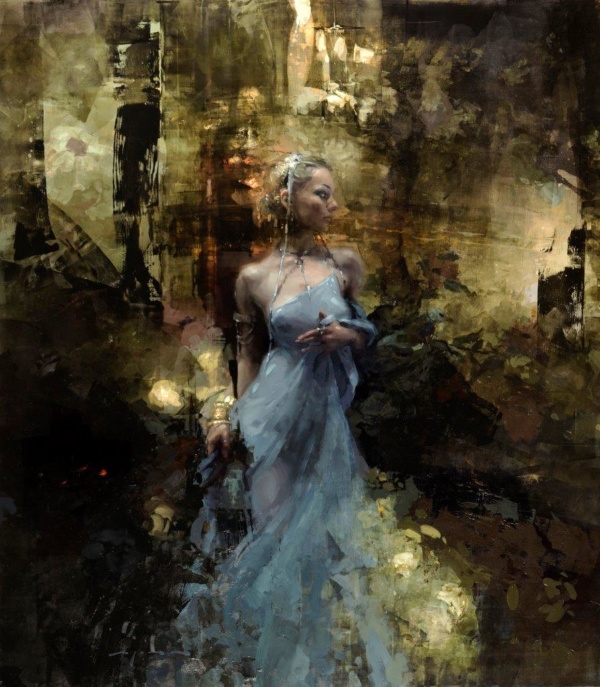
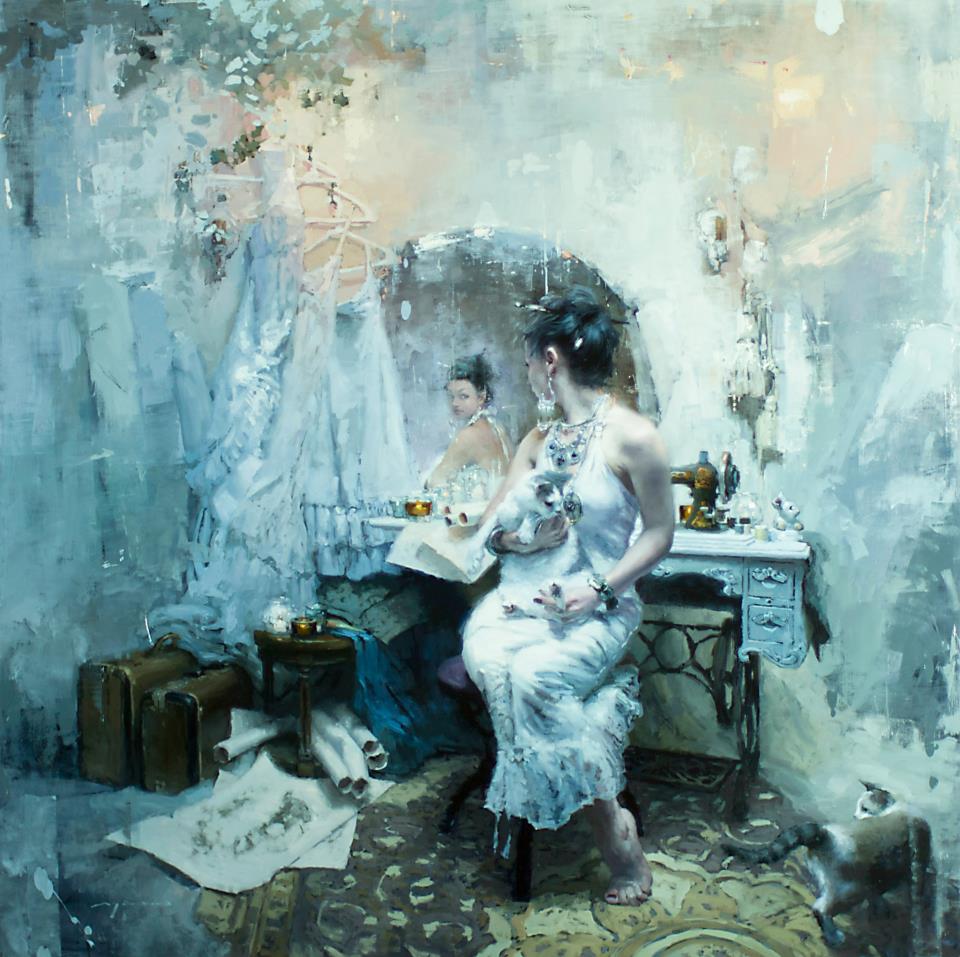
The painterly application of paint is a sophisticated skill often overlooked. Mastering the ability to mix and apply paint in a single, precise stroke requires extensive practice. Contemporary figurative artist Jeremy Mann exemplifies this through his dynamic, energetic brushstrokes, which vividly portray streets and interiors, reflecting his bold personality. In contrast, his softer figurative works use gentle hues to reveal a tender side. Mann’s art demonstrates a deep understanding of color impact, with tones resonating harmoniously across the canvas.
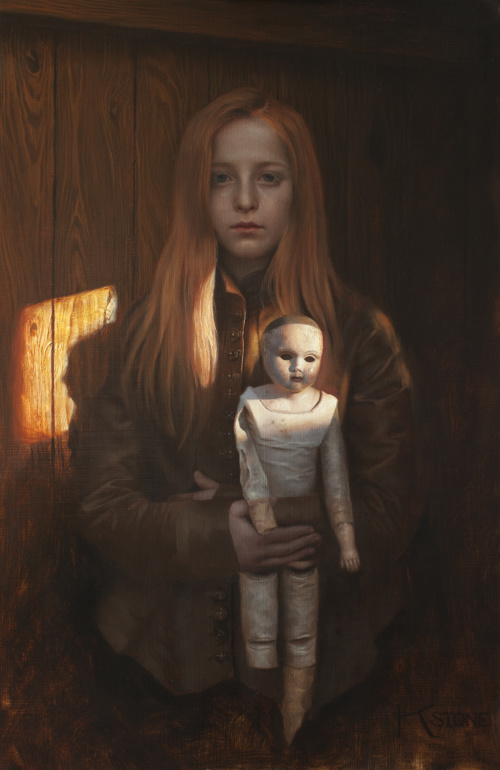
Contemporary painting often blends various techniques, as seen in the work of contemporary realist artist Katherine Stone (katestoneart.com). Her oil paintings employ thin glazes to achieve transparency and depth in hair and backgrounds, while more painterly brushstrokes create rich textures in elements like a doll or a girl’s face.
Stylized Art
Stylized art emerges from a blend of traditional techniques and personal exploration. In modern art history, Gustav Klimt and Alphonse Mucha stand out for their innovative use of materials and distinctive art styles. Their work, grounded in a deep understanding of human anatomy, color, and composition, transcends mere limitation—a common trait in contemporary painting. Instead, their stylization reflects a deliberate pursuit of a unique artistic voice, resulting in truly inspiring creations.
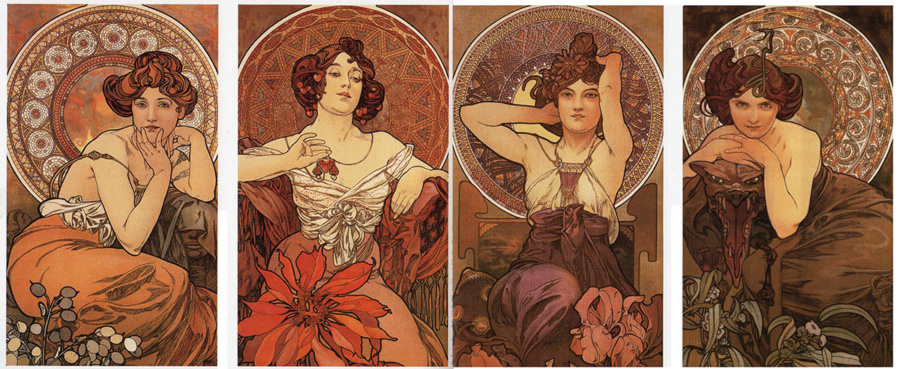
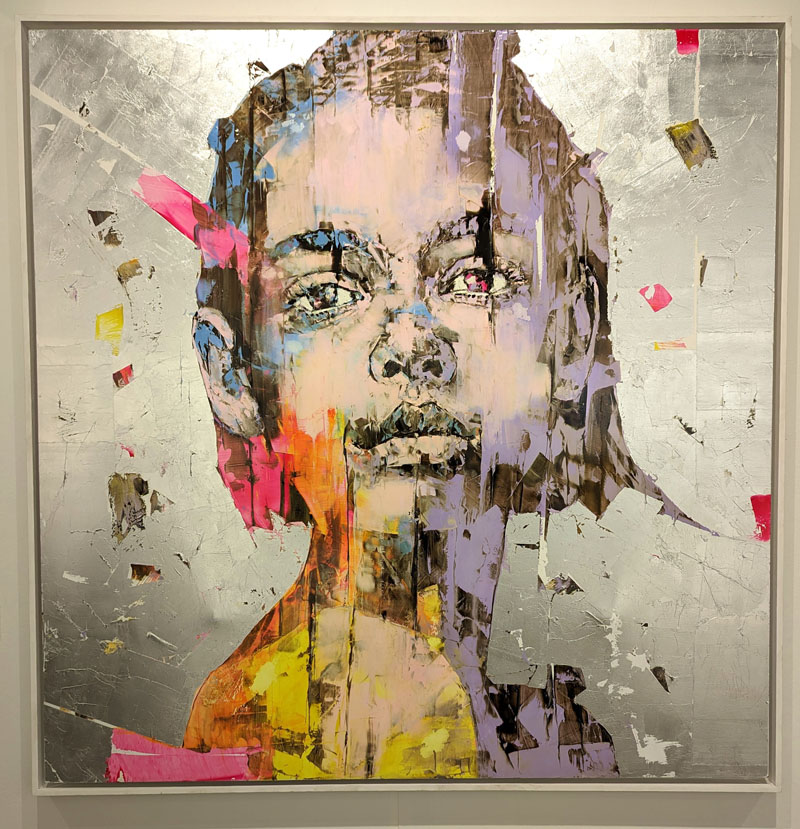
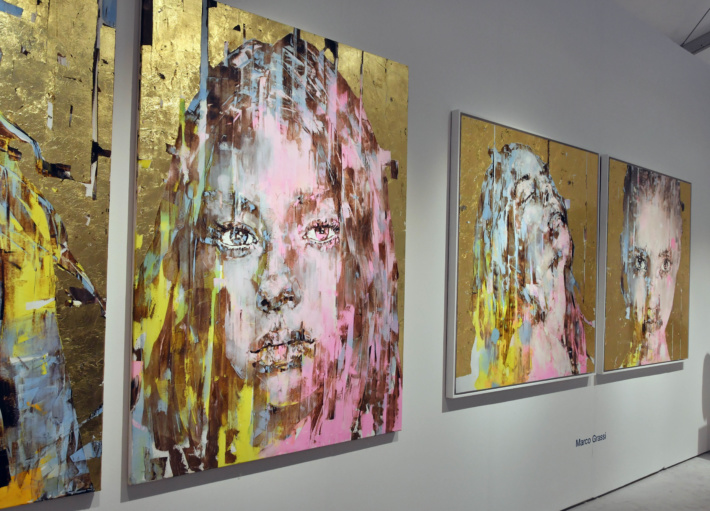
One of the examples in contemporary art painting stylization includes painting by Marco Grassi.
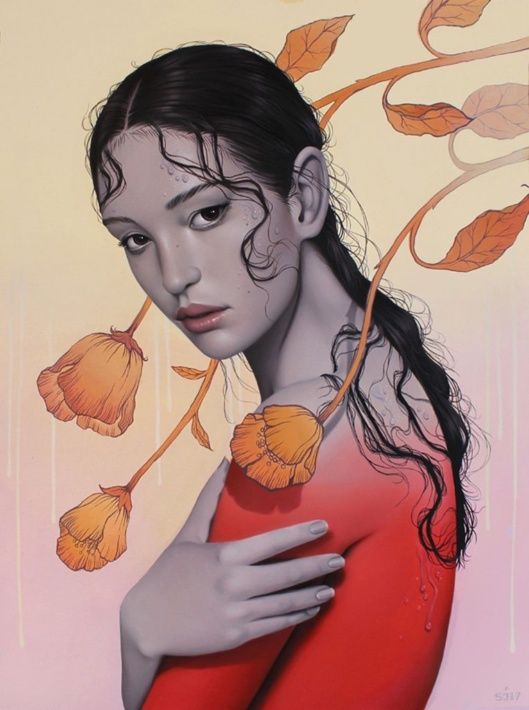
Sarah Joncas | sarahjoncas.ca
Canadian artist Sarah Joncas employs stylization in her paintings, simplifying figures and patterns to create distinctive mixed media paintings. Drawing inspiration from animation techniques, her art features streamlined shapes, colors, and tones, underpinned by meticulously balanced compositions. Her evocative female figures and portraits are often set against urban landscapes, nature, or floral elements to establish a unique mood.
Abstract Art vs. Realism
Traditional Realism focuses on accurately capturing light and form through direct observation of nature. Departing from this approach gives rise to other artistic expressions.
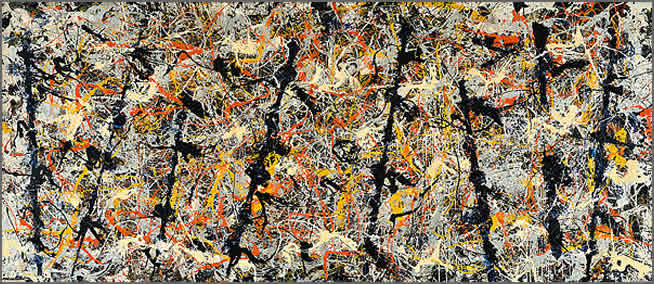
Abstract art prioritizes bold design and skillful color management. To appreciate contemporary abstract painting, one can focus on textures and impasto techniques that generate visual movement on the canvas. Renowned modern abstract artist Jackson Pollock revolutionized conceptual painting with his dynamic, vigorous strokes and textured surfaces. His abstract expressionism demonstrates a keen sense of color and design, with splattered paint on large canvases creating rhythm and vibrant energy.
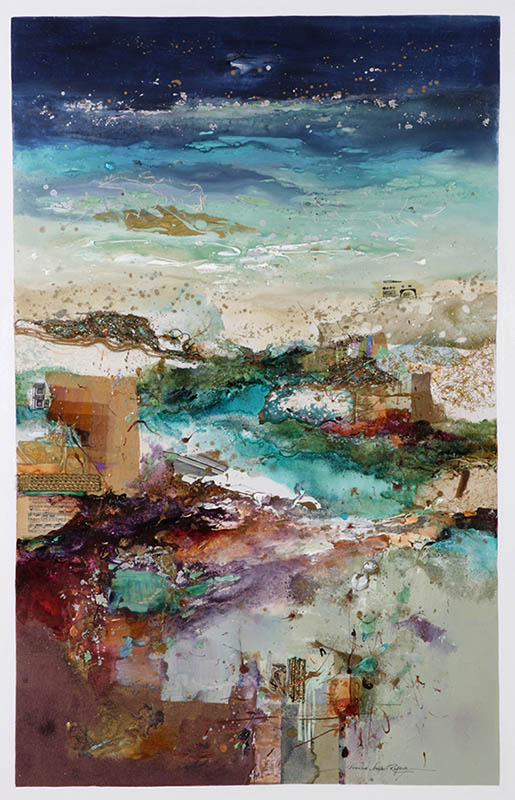
Contemporary abstract painting by Joanne Miller Rafferty is beautiful, mature, and experimental in its nature. Abstract landscapes are spontaneous yet refined juxtapositions of color, gold leaf, and shimmery texture. They are lifescapes with the artist’s distinctive way of observation. Her acrylic paintings are collage pieces that begin at the horizon line and end at the personal experiences of viewers gazing at Joanne’s art. The artist has experimented with the use of leafing, gold leaf, and silver, copper, and variegated varieties. Using a mixture of acrylic color combinations on top of leafing creates new effects that Joanne has discovered in her creative processes. Her painting techniques are included in the Art Lessons book.
Realism and Hyperrealism
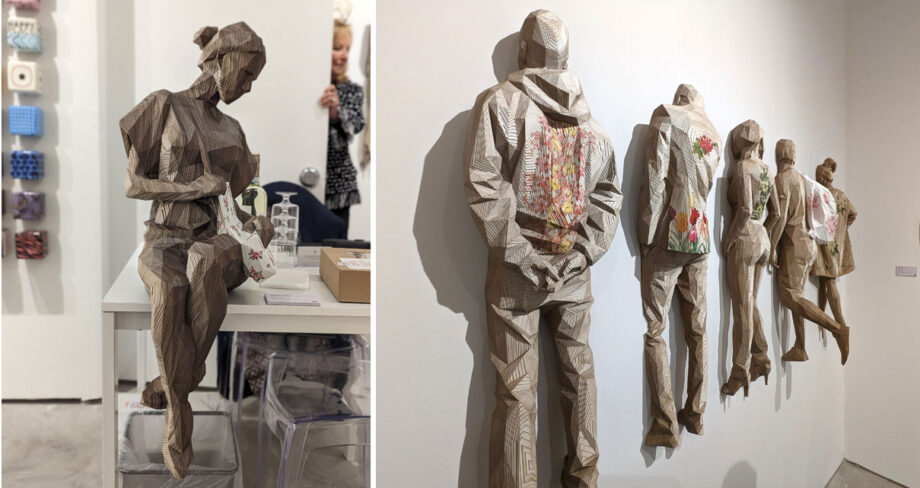
This overview of some contemporary artists and their work aims to inspire you to deepen your appreciation of contemporary art. By focusing on elements like emotion, narrative, composition, color, and design, you can explore contemporary art in a more meaningful way. Contemporary art acts as a chronicle of human history, preserving memories of emotions and events, and enabling us to express raw, unfiltered feelings.
Check out visionary art for sale
Great art websites to browse figurative art, sculpture, and more:
ARC salon, the Met, National Gallery of Art, the Hermitage. Let me know if you have more resources/websites in mind.
Action step: Next time you look at contemporary art, ask yourself what three unique qualities you see in art. Is it a story, design, color, or simply a strong feeling that moves you? Analyze what draws you in and why.
Complete video series:
Video #1 Part 1 – Learn what makes a painting great
Video #1 Part 2 – Learn what makes a painting great 2: composition, color, emotion
Video #2 Contemporary Art – you’re here!
Video #3 How to take care of your art collection – coming soon!
Video #4 How to frame art
Video # 5 Why you don’t need an interior designer to buy and display art in your home – coming soon!