I’m writing this article to address a common challenge many artists face: the belief that selling art requires some kind of miracle. The insights I share here draw from my journey as a full-time artist since 2005. Over the years, I’ve learned valuable lessons through trial and error, and I’m constantly exploring new art marketing strategies. Looking back, I wish I’d had a mentor or guide when I was an art student—it would have made building my career far less daunting. This post is the advice I would have given my younger self two decades ago, and I hope it helps you navigate your artistic path.
Many artists begin their marketing efforts by immediately targeting galleries, as selling art can feel like a daunting task. While gallery representation can be effective, there are numerous ways to advance your career independently. Galleries often come and go, and established ones typically only take on artists whose work they’re confident they can sell to their existing clientele.
Instead of relying solely on galleries, focus on building your career with intention. Don’t rush to quit your day job if it provides mental and financial stability—use it as a foundation to pursue your art with purpose. When the time is right, you’ll be ready to transition confidently. For me, creating multiple income streams has been key, with private teaching proving to be my most consistent source of revenue for many years.

17 steps to sell your art:
1. Build Confidence and Believe in Yourself
Confidence is the cornerstone of success in any career, especially in the art world. While talent is valuable, confidence can often be its equal. If you doubt yourself or your work, it’s unlikely others will invest in it. To sell your art, you must communicate its value clearly and relatably. Focus on discussing the ideas, emotions, and stories behind your work rather than technical details like materials or techniques, as this resonates more with most people. I’ve seen artists achieve impressive sales not because their work was superior, but because they exuded confidence. Take inspiration from Jean-Michel Basquiat’s story—starting as a homeless artist in New York, he sold his work for thousands of dollars in his 20s, driven by unshakeable belief in his vision and strategic connection to Andy Warhol.
2. Help others and network
This is the second most important step to finding sales. I find it to be the hardest to pursue, but I also have to admit that Networking is incredibly important! It can propel your career fairly quickly if you’re able to socialize in the right circles and sell your confidence to others. But it’s also important to know that not every event is yours and that selfishness won’t get you far. Help others. Take time to know the other person before asking for something in return. I think long-term relationships are friendships. And friendships are not easy to acquire and maintain for many of us. Be honest, authentic, and giving, even if it doesn’t work out, but stay away from negative people who bring you down every time you see them.
3. Find a mentor!
Seek a mentor who is a thriving artist in your field—a critical step for building a successful career. This mentor should support your talent, guide you through the complexities of the art world, and share insights on achieving success. While college instructors can sometimes fill this role, connecting with an artist who commands sold-out shows and exhibits globally is key to mastering the business of art. A mentor will also hold you accountable, helping you stay focused. When you find someone you admire and respect, value their time. Be proactive, work independently, and immerse yourself in their studio or workshop to absorb invaluable lessons from their experience.
4. Aquire growth mindset & navigate rejections
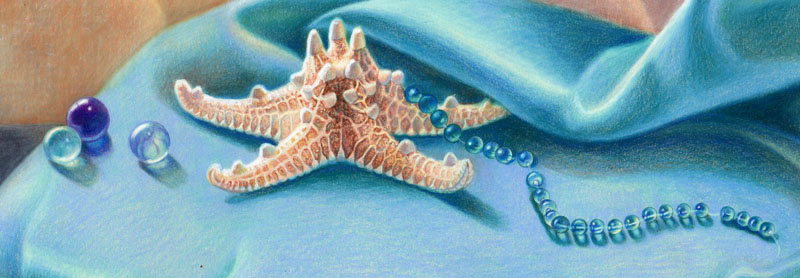
Rejections can be tough for artists, but they’re part of the journey. I’ve learned to accept that my art won’t resonate with everyone and that art contests are inherently unpredictable and are similar to a casino win or loss. Instead of dwelling on rejection, I study the winners to identify areas for improving my craft. I’ve also become selective about which contests and shows to enter. Many are not worth the time or money, operating like vanity galleries that profit from entry fees. To compete in reputable and relevant contests, your work must be strong enough to stand out against stiff competition.
5. Publicity must be a constant focus
Many artists dream of being discovered, but in today’s crowded world, relying on chance is unrealistic. I regularly submit my work to publications and feel a thrill when it gets recognized. Unlike art contests, many submission opportunities are free and can lead to actual sales. For emerging artists, start with local submissions and explore free online publications. Larger magazines are tougher to break into, but their wider readership can attract new clients and opportunities. Through platforms like Submittable, I’ve found that some lesser-known literary magazines pay artists $25–$100 per artwork—modest but far better than paying to be published. I don’t pay for publications but I had a few where I paid a fee and felt dissapointed in doing so.
6. Working on your craft is a must
Well, if you’re satisfied with your work 100% all the time, it leaves very little room for improvement. Be excellent in your art form and create high-quality art with high-quality art supplies. It attracts serious art collectors to your art and it builds your own confidence selling it!
7. Define your artistic identity
What makes you different from everyone else? Crafting a clear identity as an artist is challenging but essential. After years of exploration, I developed a two-sentence elevator pitch to define what I paint, why, and how, sharpening my focus and passion. This process of distilling your art into a single line clarifies your goals, helping you avoid years of unfocused experimentation, as I once did, and builds a strategic foundation for your work.
8. Dream big, but also remain realistic with your goals
Your dreams must be big. You must be ambitious if your art career is important to you. At the same time, your goals should be doable, measurable, and manageable not to get overwhelmed with tasks. I have a timeline and a calendar, writing down jobs and events I must do to be on time.
9. Have a strategy, goals, and sub-goals that have due dates on your calendar
I have one strategy for a year, one big goal for a month, and 4 sub goals to achieve that monthly goal. All of them are written down in my calendar.
10. Organize your work schedule that includes 1/3 to 1/2 of your time spent on marketing
Calendar your tasks. I’m a very organized person naturally, but I still write them down to stay on top of things. We all have one thing in common-24 hrs in a day. So if you have no time to do what’s important to you, you must prioritize and reorganize your days.
Yes, unfortunately, a lot of time must be reserved for art marketing, and that includes writing your newsletters, calling and meeting people, following up, posting to social media regularly, and submitting art to opportunities to be noticed. If you just sit in your studio painting, no one is going to knock on your door. Sorry!
11. Stay focused
Maintain focus on your core artistic goals and avoid distractions from unrelated tasks or opportunities. Balancing multiple art projects and family responsibilities can be challenging, but when feeling overwhelmed, revisit your goals and strategy to realign your priorities, making adjustments as needed.
12. Be prompt in answering all correspondence and follow up with people yourself
I’ve often reached out to artists about purchasing their work or featuring their art, only to move on when they failed to respond promptly. While artists, like everyone, prioritize different tasks amidst a flood of daily messages, I’ve found that quick, thoughtful replies open doors to opportunities. If you write to someone, follow up once, but avoid vague, repetitive messages that waste time. When contacting someone, be prompt, specific, and address them by their first name to show respect and clarity.
13. Follow other successful artists to understand what they do differently from your routine to increase exposure, publicity, and sales
I keep learning every day by reading business books, subscribing to memberships, and following other artists to pick up on their strategies.
14. When you make a sale, under-promise and over-deliver
Don’t make promises you cannot keep. If you take on a commission, say you’ll be done in 2 months and deliver it in one. If you sell a piece, say you ship it in two weeks but deliver in one week. You get the idea.
15. Avoid scams and ‘for exposure’ venues and opportunities
I can’t even tell you how many scam emails and phone messages I get. These people have become very creative! Don’t pay for wall space, representation, or shows. They have no incentive to sell your art because they’ve already covered their costs and made a profit at your expense! Hang your art in a local cafe, spa, restaurant, or bank instead.
16. Collect emails of your art collectors and supporters
Don’t include everyone in your email list, don’t share your list with others, and don’t bother people on your list every day. Communicate to build anticipation about your new projects, share free and relevant information, and announce special events, etc. I reach out to my past art collectors in personal communication and send real cards on special occasions.
17. Live in an artsy place
While it can be managed, living in a remote area is not great, unless you’re an established artist. If you’re serious about your art career, get out of your small town. Why? It all comes down to networking and networking happens in the city’s art galleries, events, parties, and art museums. Buy a yearly membership in your local art museum to network with donors during special events the art museum hosts.
I’m thinking of inviting other artists to share their ideas and art sales strategies. What do you think? Would you be interested in that? Write to nika@veronicasart.com and let me know your thoughts!

Art supplies on Amazon
- Drawing pad, bristol vellum
- Kneaded eraser
- koh -i-noor drawing paper, colored pencil
- Tombow mono eraser
- Drawing fixative
- Sennelier fixative for charcoal and pencil has a super fine spray mist, matte, high-quality
- Gamvar varnish for oil paintings, satin
- Brush for varnishing oil paintings
- Color Wheel
- Canson Colorline drawing paper is available in many colors and various thickness. You might find better choices at art supply online retailers
- Molotow metallic marker, gold
- How to color like an artist, coloring book for children and adults
- The colored pencil manual, art instruction book